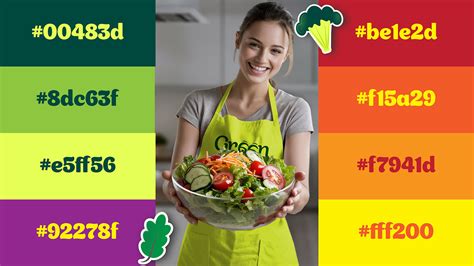
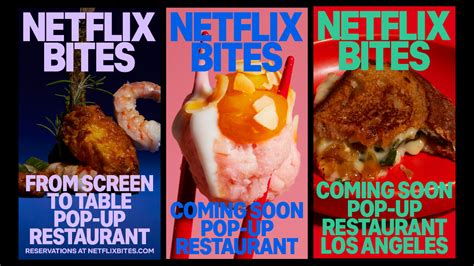
How do we create visual bites that compel foodies to try your recipes?

In the vibrant world of food, where countless recipes vie for attention, the first bite is almost always with the eyes. For foodies scrolling through endless feeds, a visually stunning image can be the difference between a fleeting glance and an immediate “must-try” reaction. Creating compelling visual bites is no longer just a luxury; it’s a necessity for anyone looking to share their culinary passion and drive engagement with their recipes.
The Psychology of Sight and Hunger
Our brains are hardwired to respond to visual cues, especially when it comes to food. A vibrant, well-presented dish doesn’t just look good; it triggers a cascade of sensory expectations, stimulating appetite even before a single ingredient is tasted. Think about the rich hues of a perfectly roasted vegetable, the glistening surface of a decadent dessert, or the inviting steam rising from a hearty stew – these aren’t just images, they are invitations to an experience. Understanding this psychological connection is the first step in crafting visuals that truly compel.
Mastering Food Styling for the Camera
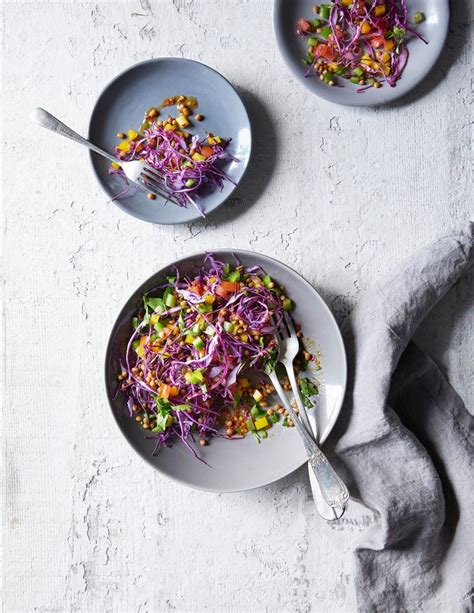
Food styling is the art of preparing and arranging food to look its absolute best. It’s about more than just making it edible; it’s about making it aspirational. Start with fresh, high-quality ingredients – they naturally possess more vibrant colors and appealing textures. When plating, focus on composition: create balance, consider negative space, and highlight key ingredients. A sprinkle of fresh herbs, a drizzle of sauce, or a perfectly placed crumb can elevate a dish from ordinary to extraordinary. Remember, every element on the plate should serve a purpose in enhancing its visual appeal.
Lighting is Everything
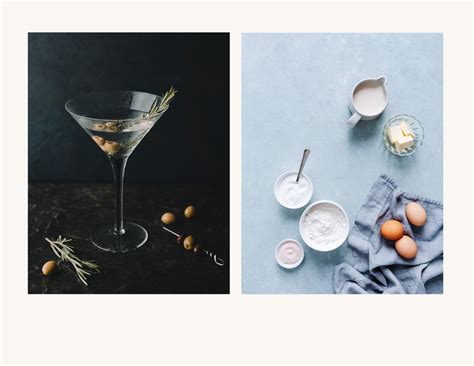
No amount of styling can compensate for poor lighting. Natural light is often your best friend – soft, diffused light from a window can create beautiful shadows and highlights, giving your food depth and dimension. Avoid harsh direct sunlight, which can create blown-out highlights and deep, unflattering shadows. If natural light isn’t available, invest in good artificial lighting and learn how to diffuse it properly. The goal is to illuminate your dish in a way that enhances its textures and colors, making it look fresh and inviting.
Composition and Angles
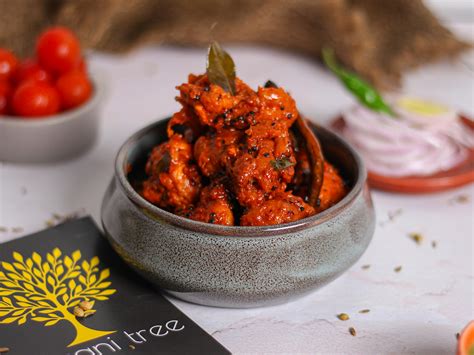
How you frame your shot can dramatically alter its impact. Experiment with different angles: an overhead “flat lay” shot is popular for showing off intricate plating and multiple dishes, while a 45-degree angle can highlight height and texture. Eye-level shots can make the viewer feel like they’re about to take a bite. Apply photographic principles like the rule of thirds to create more dynamic and engaging compositions. Use leading lines or repetitive patterns to draw the viewer’s eye through the image, focusing on the star of your recipe.
Post-Processing Perfection (But Don’t Overdo It!)
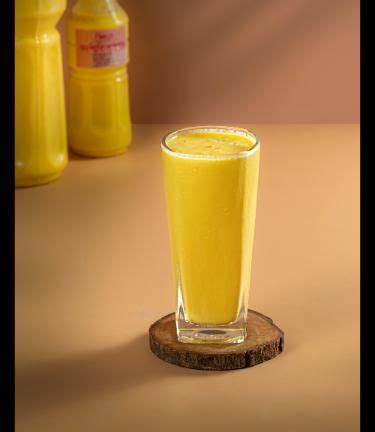
Once you’ve captured your raw image, a little post-processing can go a long way. Adjusting brightness, contrast, white balance, and saturation can bring out the best in your food. Crop strategically to eliminate distractions and strengthen your composition. However, the key is subtlety. The goal is to enhance the natural beauty of your dish, not to create an artificial representation. Over-editing can make food look unnatural and unappetizing, eroding trust with your audience. Think of it as polishing, not painting.
Tell a Story with Your Food
Beyond just making the food look good, can your image tell a story? Incorporate subtle props that complement the dish without overpowering it – a rustic cutting board, a vintage fork, or a linen napkin. Sometimes, a human element, like hands reaching for a dish or adding a garnish, can add a sense of warmth and invitation. Think about the mood you want to convey: fresh and vibrant, cozy and comforting, elegant and refined. A well-crafted narrative through your visuals can connect on a deeper level, making your recipes more memorable and enticing.
Conclusion: From Plate to Palate Through Pixels
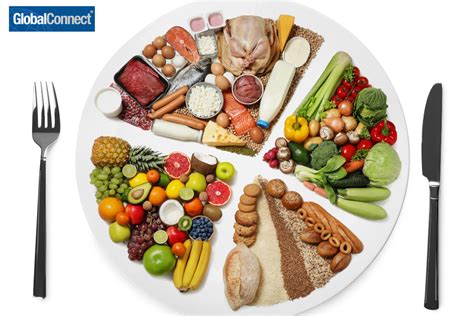
In the digital age, a recipe’s journey from your kitchen to a foodie’s palate often begins with a pixel. By understanding the fundamentals of food styling, mastering light, refining composition, applying thoughtful post-processing, and infusing your visuals with a story, you can transform simple ingredients into irresistible visual bites. These captivating images don’t just showcase your culinary skills; they act as powerful magnets, drawing food enthusiasts in and compelling them to experience the deliciousness of your recipes firsthand. Start seeing your food through a photographer’s eye, and watch your recipe engagement soar.