How do you avoid tourist traps & visually identify authentic local food experiences?

For many travelers, food is not just sustenance; it’s a window into a culture, a story told through flavors and traditions. Yet, the pursuit of an authentic culinary experience can often lead us astray, straight into the waiting jaws of a tourist trap. These establishments, designed to fleece unsuspecting visitors, often serve bland, overpriced imitations of local dishes. But fear not, intrepid food adventurer! With a keen eye and a few savvy strategies, you can navigate the culinary landscape like a seasoned local.

Understanding the Tourist Trap Mentality
Tourist traps thrive on convenience and visibility. They’re often located directly next to major attractions, boasting multi-lingual menus plastered with generic, overly Photoshopped images of food that rarely match what arrives at your table. The staff might be overly eager, sometimes even employing touts to lure you in. Prices will likely be significantly higher than elsewhere, and you’ll notice a distinct lack of local patrons. If the restaurant feels like it could exist anywhere in the world, with little to no local character, it’s a red flag.
The Quest for Authenticity: Where to Begin Your Hunt
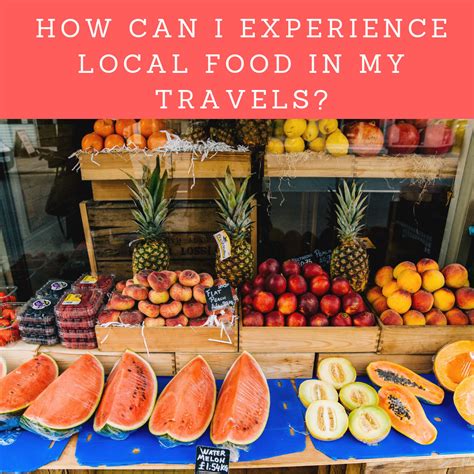
Escaping the tourist bubble often means venturing a few blocks away from the main squares and landmarks. Seek out residential neighborhoods, bustling markets, or side streets where daily life unfolds. Local markets are a goldmine for street food and small eateries, often serving what families eat at home. Another invaluable resource is local advice – but be discerning. Skip the hotel concierge’s recommendations, which might be commission-driven. Instead, ask a shopkeeper, a barista, or even a local elderly person for their favorite spot. They’re usually delighted to share their culinary secrets.
Visually Identifying Authentic Local Food Experiences
Once you’re in a promising area, it’s time to put on your detective hat. Look for these visual cues that signal authenticity:
The Crowd is Key
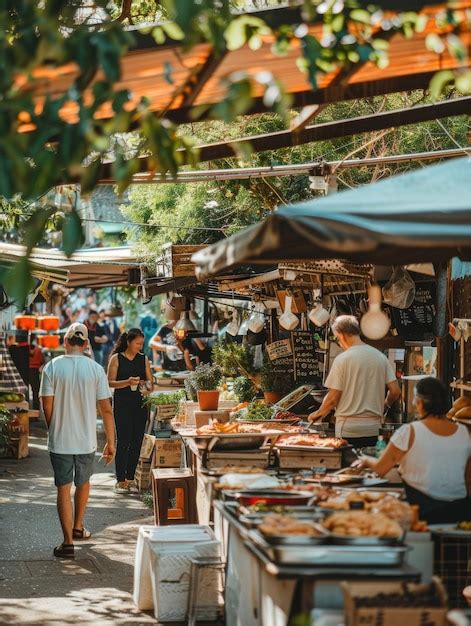
This is perhaps the most telling sign. A restaurant packed with locals during peak meal times is almost always a good bet. If you see families, groups of friends, or business people speaking the local language, you’re likely in the right place. An empty restaurant, or one filled exclusively with tourists, is a warning sign.
The Menu Tells a Story
Authentic local eateries often have simpler, less polished menus. They might be handwritten, only in the local language (perhaps with a small, unpolished English translation), and feature fewer items. A short menu often indicates a focus on fresh, seasonal ingredients and mastery of a few specific dishes rather than a vast, generic offering. Look for dishes that highlight local produce and traditional cooking methods.

The Food Itself: Unpretentious Perfection
Authentic local food is often hearty, sometimes rustic, and prioritizes flavor over fancy presentation. Dishes might look simple but smell incredible. Ingredients should appear fresh and vibrant. Observe what others are eating – if plates are being cleaned and smiles abound, you’re on the right track. Don’t be swayed by overly elaborate or “modern” interpretations unless you know they are genuine local culinary innovations.
The Setting and Ambiance
Don’t expect white tablecloths and pristine decor at every authentic spot. Many beloved local eateries are modest, even a little worn, but they exude character. Look for signs of a well-loved establishment: perhaps a slightly faded sign, bustling kitchen activity, or unique local decor that isn’t trying too hard to be “quaint” for tourists. Cleanliness, however, is always non-negotiable.

The Price Point
While not a visual cue in itself, a quick glance at prices can confirm your suspicions. Authentic local food will typically be more affordable than its tourist-trap counterparts, reflecting local living costs rather than inflated tourist rates. If prices seem too high for the region, proceed with caution.
Beyond Visuals: Engaging and Experimenting
Don’t be afraid to strike up a conversation (even with gestures and a translation app) with locals. Ask about their favorite dishes, or what’s special today. Be open to trying new things – the most memorable food experiences often come from stepping outside your comfort zone. Embrace the adventure of discovery, and let your senses guide you.

Conclusion
Avoiding tourist traps and finding authentic local food is an art form, a delightful challenge that enriches your travels immensely. By staying vigilant, observing your surroundings, and trusting the wisdom of the locals, you can unlock a world of genuine culinary delights that truly capture the spirit of your destination. Happy eating!