How do you boost color & texture in recipes for incredible food photography?
The Visual Feast: Why Color and Texture Matter in Food Photography
In the world of food photography, a dish’s appeal goes far beyond its taste; it’s about creating a visual feast that captivates the viewer. Color and texture are the twin pillars of this visual allure, transforming a simple plate into a work of art. Vibrant hues draw the eye, while intriguing textures invite interaction and hint at a delightful culinary experience. Mastering the art of boosting these elements in your recipes is key to elevating your food photography from good to truly incredible.
From the deep reds of a perfectly roasted tomato to the delicate crunch of a sprinkle of sea salt, every ingredient and preparation technique plays a role in crafting a visually stunning narrative. This guide will explore practical methods to infuse your dishes with irresistible color and compelling texture, ensuring your food always looks as amazing as it tastes.
Injecting Life: Strategies for Boosting Color
Color is often the first thing that catches a viewer’s eye. Here’s how to make your dishes pop:
- Choose Fresh, Ripe Ingredients: This might seem obvious, but the foundation of vibrant food starts with vibrant ingredients. Select produce that is in season and at its peak ripeness for the most intense natural colors. Think bright green herbs, deep red berries, and sunny yellow citrus.
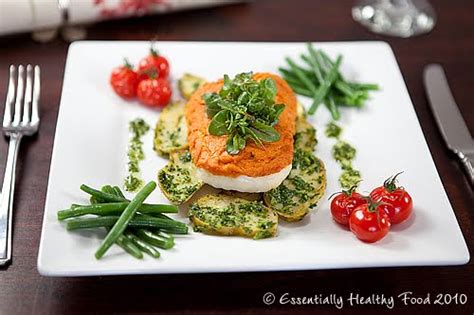
- Employ Contrast and Complementary Colors: Thoughtful pairing of colors can make individual elements stand out. A sprinkle of fresh green chives over a creamy white soup, or a side of purple cabbage slaw next to golden-brown fried chicken, creates dynamic visual interest.
- Strategic Garnishes: Garnishes are your best friends for adding a final flourish of color. Fresh herbs (parsley, cilantro, mint), citrus zest, chili flakes, edible flowers, a drizzle of colorful oil (like basil or chili oil), or even a dash of paprika can provide that crucial burst of color.
- Cooking Methods that Preserve Color: Overcooking can dull colors. Blanching vegetables quickly in boiling water and then plunging them into ice water preserves their bright green hues. Steaming can also be gentler on color than prolonged boiling or frying.
- Acid for Brightness: A squeeze of lemon or lime juice just before serving can literally brighten the colors of many ingredients, especially vegetables and fruits. The acidity enhances their natural vibrancy.
The Allure of Tactility: Enhancing Texture
Texture adds depth, interest, and a sense of realism to your food photos, hinting at the mouthfeel of the dish.
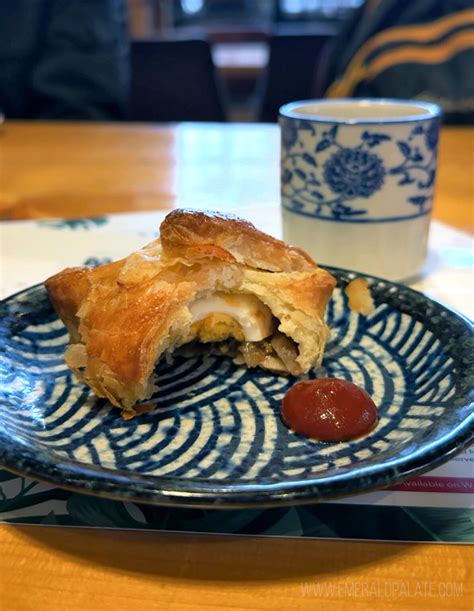
- Varying Textures within a Dish: Create contrast by combining different textures. Think crispy fried elements with creamy sauces, crunchy nuts with soft roasted vegetables, or flaky pastry with a smooth filling. Each distinct texture adds another layer of visual appeal.
- Highlighting Natural Textures: Don’t hide the natural textures of your ingredients. Grill marks on vegetables or meat, the rough crumble of feta cheese, the flaky layers of a croissant, or the glistening smoothness of a glaze all tell a story.
- Strategic Toppings and Crumbles: Add elements specifically for texture. Toasted nuts, seeds, croutons, breadcrumbs, crumbled cheese, or crispy fried shallots or garlic chips provide a delightful crunch and visual interest.
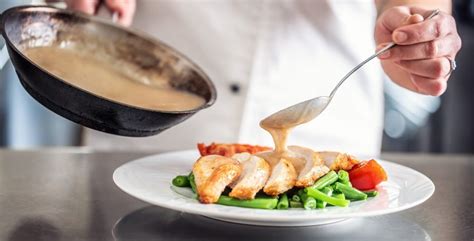
- Sauces and Drizzles: Thick, glossy sauces or drizzles of olive oil, balsamic glaze, or yogurt can add a luscious, smooth texture that contrasts beautifully with more solid components.
- Layering and Stacking: When plating, consider how layering can showcase different textures. Stacking ingredients can reveal their individual forms and textures, creating height and visual complexity.
Smart Preparation & Styling for the Camera
Beyond the ingredients themselves, how you prepare and present your food significantly impacts its photographic potential.
Don’t Overcook
This is crucial for both color and texture. Vegetables that are slightly undercooked retain their vibrant color and crisp texture, while meats cooked to perfection have appealing juices and tender, not dry, surfaces. Aim for ‘al dente’ and just-cooked for best results.
Cleanliness is Key
Before the camera comes out, ensure your serving dishes are spotless. Wipe away any drips or smudges on the plate or bowl. A clean presentation makes your colors and textures stand out even more.
Use Natural Light
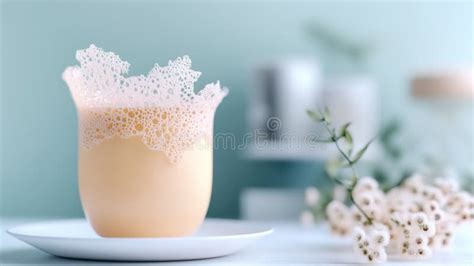
Good lighting is paramount for showcasing color and texture. Natural, diffused light typically brings out the true colors and highlights the nuances of texture without harsh shadows or reflections. Position your dish near a window but out of direct sunlight.
Keep it Simple
While layering and garnishing are important, avoid over-cluttering the plate. A few well-chosen, high-impact elements of color and texture will be more effective than an abundance of competing details. Let the star ingredients shine.
Conclusion: Crafting a Photogenic Masterpiece
Boosting color and texture in your recipes is an art form that transforms ordinary dishes into extraordinary visual experiences for food photography. By mindfully selecting ingredients, employing smart cooking techniques, and paying attention to thoughtful garnishes and plating, you can create food that not only tastes incredible but also looks undeniably spectacular. Experiment with these tips, observe how different elements interact, and watch as your food photography reaches new heights of delicious appeal.