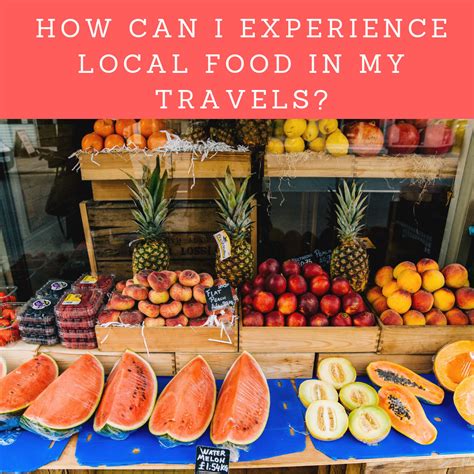
How do you capture mouth-watering, authentic visuals from your food adventures?

Food adventures are about more than just satisfying hunger; they’re immersive cultural experiences, a journey through flavors, aromas, and local traditions. While the taste might linger in your memory, a captivating photograph can transport you and your audience back to that very moment, making mouths water and inspiring future explorations. But how do you go beyond a simple snapshot to create visuals that are truly authentic, vibrant, and utterly irresistible?
Embrace the Power of Natural Light
The single most crucial element in any mouth-watering food photograph is good lighting, and for food adventures, natural light is often your best and only option. Seek out window seats, outdoor tables, or a spot where soft, diffused light can fall gently on your dish. Avoid harsh direct sunlight, which creates strong shadows and blown-out highlights. Instead, look for soft, indirect light that illuminates the food evenly, revealing its textures and colors without creating distracting glare.
Mastering Composition and Angles
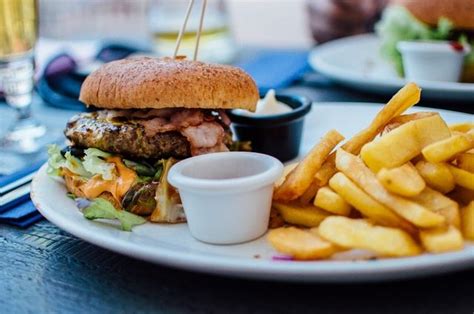
Once you have your light sorted, turn your attention to composition. Don’t just plonk your phone down and shoot. Consider the angle. An overhead flat lay works wonderfully for dishes with beautiful patterns or a spread of multiple items, like a tapas board or a breakfast spread. For dishes with height, like a towering burger or a layered dessert, an eye-level shot can emphasize their structure and texture. Experiment with different perspectives – get low, get high, move around the plate. The ‘rule of thirds’ is a classic guide: imagine your frame divided into nine equal sections by two horizontal and two vertical lines, and place key elements along these lines or at their intersections for a more dynamic image.
Also, think about what else is in the frame. A blurred background can help the food pop, while including a hint of the restaurant’s ambiance, a local street scene, or even the chef’s hands preparing the dish can add context and tell a richer story.
Focus on Authenticity and Storytelling
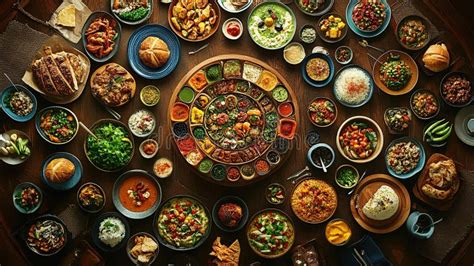
Authenticity is key to truly capturing the spirit of your food adventure. Resist the urge to over-style or manipulate the food too much. The beauty often lies in its natural state, just as it’s served. Capture the steam rising from a hot bowl of ramen, the melted cheese on a street taco, or the glistening glaze on a freshly baked pastry. These small details convey freshness and deliciousness. Incorporate elements of the environment: the rustic table, the colorful local tablecloth, a handwritten menu, or even the bustling market around you. These elements ground your food in its location and enhance the narrative.

Utilize Your Smartphone Smartly
You don’t need professional gear to take stunning food photos. Your smartphone is a powerful tool. Learn its features: tap to focus on the most important part of your dish (often the glistening sauce or a key ingredient), and then slide your finger up or down to adjust exposure, making the image brighter or darker as needed. Use portrait mode (if available) sparingly for a shallow depth of field, but be mindful it can sometimes blur too much or inaccurately. After shooting, a quick edit can work wonders. Many phones have built-in editing tools to adjust brightness, contrast, saturation, and warmth. A slight boost in saturation can bring out the vibrant colors of fresh ingredients, but avoid over-editing, which can make the food look artificial.

Don’t Forget the Details and the Human Element
Sometimes the most captivating food photos aren’t just of the finished plate. Capture the process: hands stirring a pot, ingredients laid out before cooking, or the expression of joy on someone’s face as they take the first bite. These human elements add warmth, emotion, and relatability to your visuals. Pay attention to small details – a garnish, a unique utensil, or a local beverage paired with the meal. These nuances contribute to the overall authenticity and memory of the experience. Remember, the goal is not just to show what you ate, but to convey the feeling, the atmosphere, and the story behind it.
Conclusion
Capturing mouth-watering and authentic visuals from your food adventures is an art form that enhances your memories and inspires others. By paying attention to natural light, experimenting with composition, focusing on authenticity, and utilizing your available tools wisely, you can transform simple snapshots into captivating stories. So next time you embark on a culinary journey, remember these tips, slow down, observe, and let your camera tell the delicious tale.