How do you ensure vibrant colors and texture in your recipes for stunning visuals?

The Art of Culinary Aesthetics: Making Food Pop Visually
In the world of cooking, taste is paramount, but the visual appeal of a dish plays an equally crucial role in stimulating the appetite and enhancing the overall dining experience. A dish that looks vibrant and texturally intriguing is more inviting, more memorable, and often perceived as more delicious. Mastering the art of making your recipes visually stunning involves a thoughtful approach to ingredient selection, cooking methods, and presentation.

Strategic Ingredient Selection for Maximum Impact
The foundation of a visually stunning dish begins long before the cooking process: it starts with choosing your ingredients wisely. Opt for fresh, seasonal produce as it naturally boasts more intense colors and superior texture. Think beyond just the primary ingredients and consider how various components will interact visually on the plate.
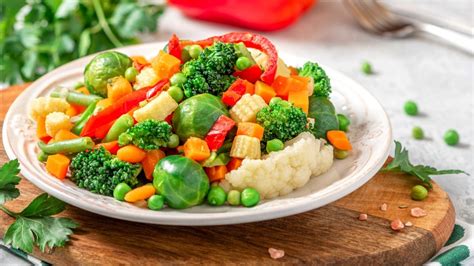
- Embrace a Color Palette: Don’t shy away from incorporating a rainbow of colors. Red bell peppers, green herbs, yellow corn, purple cabbage, orange carrots, and vibrant berries can instantly elevate a dish.
- Natural Pigments: Leverage ingredients known for their strong natural pigments, like turmeric for yellow, beets for deep red/purple, and spinach for vivid green.
- Freshness is Key: Wilted greens or dull-looking vegetables signal a lack of freshness, which directly impacts visual appeal. Always choose crisp, bright produce.
Cooking Techniques to Preserve and Enhance Color and Texture
How you cook your ingredients profoundly affects their final color and texture. Overcooking can lead to dull colors and mushy textures, while specific techniques can lock in vibrancy and create desirable contrasts.
- Blanching and Shocking: For green vegetables like broccoli, asparagus, or green beans, a quick blanch in boiling salted salted water followed by an immediate plunge into ice water (shocking) helps set their vibrant green color and maintains a crisp-tender texture.
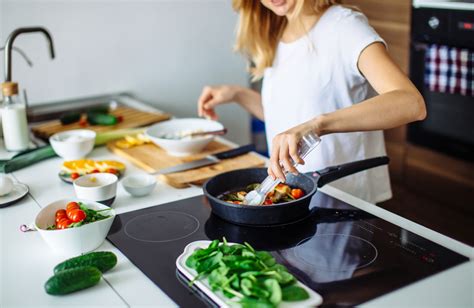
- Sautéing and Stir-Frying: These quick-cooking methods minimize the time vegetables are exposed to heat, preserving their natural colors and ensuring a pleasant crunch. High heat can also lead to appealing caramelization.
- Roasting: High-heat roasting brings out deeper, more concentrated colors and flavors, creating beautiful browning and a tender-crisp texture on the exterior of vegetables like root vegetables or Brussels sprouts.
- Avoiding Overcooking: This is perhaps the most critical rule. Consistently undercook slightly if in doubt, as food continues to cook briefly after being removed from heat.
Building Intriguing Textural Contrast
Beyond color, texture is a powerful visual element. A dish with a variety of textures is far more engaging than one that is uniformly soft or crunchy. Aim for a mix of creamy, crunchy, crisp, tender, and smooth elements.
- Crispy Elements: Add toasted nuts, seeds, croutons, fried herbs, or crispy fried onions for an appealing crunch.
- Creamy Components: Purees, sauces, or soft cheeses provide a smooth counterpoint.
- Tender & Succulent: Perfectly cooked proteins or vegetables that yield easily but still have a bite.
- Layering: Think about how different textures will be experienced together. A creamy soup with a crunchy garnish, for example.

The Art of Garnishing and Finishing Touches
Garnishes are not merely decorative; they contribute flavor, aroma, and crucial visual accents that bring a dish to life. They are often the final flourish that elevates a plate from good to gourmet.
- Fresh Herbs: A sprinkle of finely chopped parsley, cilantro, mint, or chives adds a pop of green and freshness. Use whole sprigs for height and drama.
- Citrus Zest: Bright orange or lemon zest provides a vibrant color contrast and a fresh aroma.
- Drizzles and Swirls: A contrasting sauce drizzle (e.g., a balsamic glaze on light-colored food, a vibrant pesto swirl) can add artistic lines and moisture.
- Edible Flowers: For a truly elegant touch, edible flowers add delicate colors and sophistication.
- Toasted Nuts/Seeds: These provide texture and a deeper, roasted color.

Mastering Plating for Stunning Visuals
Even with the most perfectly cooked and colorful ingredients, poor plating can diminish a dish’s appeal. Plating is your canvas; use it to tell a story.
- Cleanliness: Always start with a clean plate. Wipe away any drips or smudges before serving.
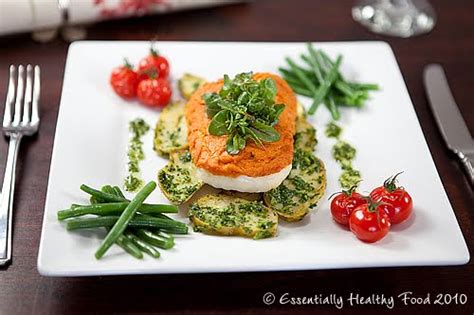
- Balance and Composition: Aim for balance in color, shape, and size. Consider the “rule of thirds” or simply arrange elements in an aesthetically pleasing way.
- Creating Height: Stack ingredients or lean them against each other to add vertical dimension. This makes a dish more dynamic.
- Negative Space: Don’t overcrowd the plate. Leaving some empty space allows each component to stand out and makes the dish feel more refined.
- Focal Point: Guide the diner’s eye to a central or particularly attractive element of the dish.
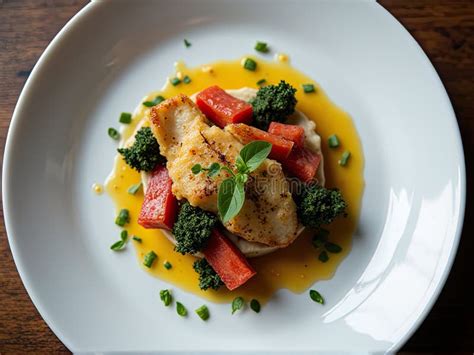
Conclusion: Beyond Taste, A Feast for the Eyes
The visual appeal of food is a powerful tool in the culinary arsenal. By meticulously selecting fresh, vibrant ingredients, employing mindful cooking techniques to preserve their natural beauty, paying attention to textural contrasts, and mastering the art of garnishing and plating, you can transform your everyday recipes into stunning visual masterpieces. Remember, we eat first with our eyes, and a beautiful dish promises a delicious experience even before the first bite.