How do you ensure your food adventure photos truly capture taste & place?
Beyond the Plate: Visualizing Flavor and Location
Food adventure photography is more than just documenting what you eat; it’s about conveying a rich sensory experience. The true challenge lies in transcending the two-dimensional image to evoke the very taste on the tongue and the distinctive atmosphere of the place. How do you make viewers feel the crunch, smell the aroma, and sense the bustling market or serene restaurant where the dish was served?
Bringing “Taste” to Life Through Your Lens
To capture the essence of taste, you need to focus on the food’s inherent qualities. Think about what makes a dish appealing even before you eat it.
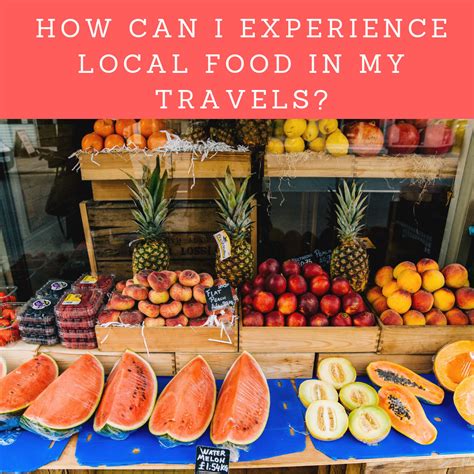
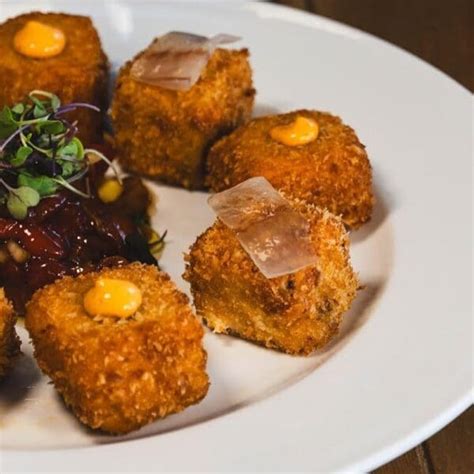
- Texture and Freshness: Highlight glistening sauces, crispy edges, tender interiors, and vibrant, fresh ingredients. Use natural light to enhance these details, and a shallow depth of field to draw the eye to key textures.
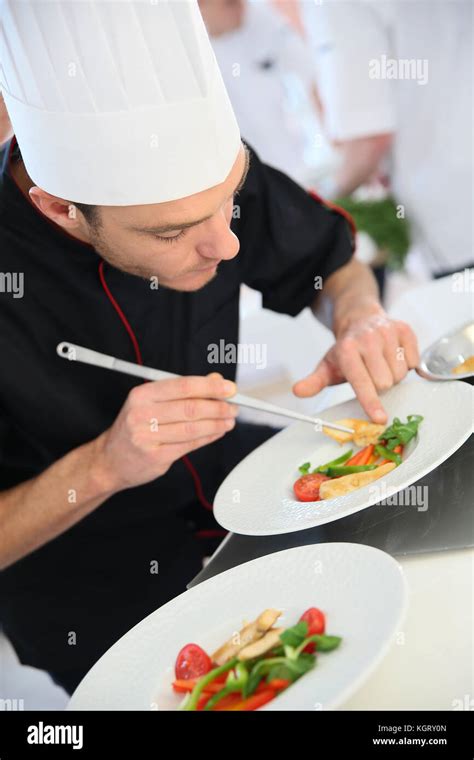
- Ingredients and Preparation: Sometimes, showing the raw elements or the hands preparing the dish can tell a powerful story about its flavor profile and authenticity. A close-up of fragrant herbs or a chef’s hands artfully arranging ingredients can speak volumes.
Grounding Your Dish in “Place”
Food is inextricably linked to its environment. Its story is incomplete without acknowledging its origins and surroundings.
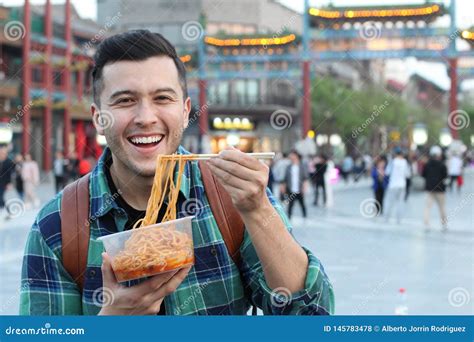
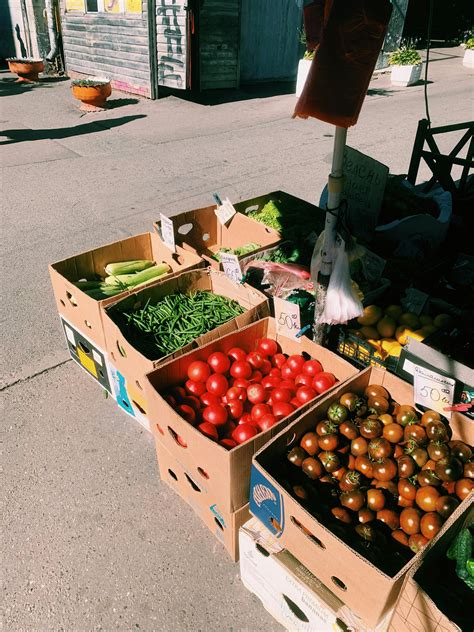
- Wider Context: Step back and include elements of the setting. Is it a vibrant street food stall, a rustic farmhouse kitchen, a elegant dining room, or a plate served with a stunning natural backdrop? These wider shots provide crucial geographical and cultural context.
- Local People & Culture: Incorporate the human element. The vendor, the chef, the local diners, or traditional attire can add layers of authenticity and narrative. These interactions often reveal the soul of the place and its culinary traditions.
The Art of Composition and Storytelling
Effectively combining taste and place requires thoughtful composition and a keen eye for storytelling.
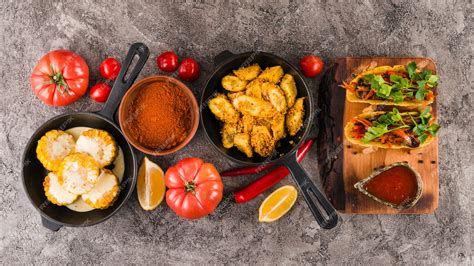
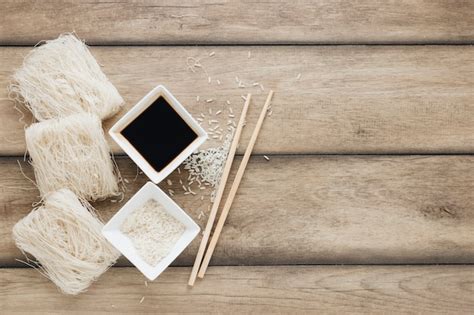
- Perspective: Experiment with angles. An overhead shot (flat lay) can showcase the entire spread, while an eye-level shot mimics the diner’s view. Close-ups emphasize details, and wider shots provide context.
- Light is Key: Natural light is almost always your best friend. Look for soft, diffused light (e.g., near a window or in open shade) to enhance colors and textures without harsh shadows. Avoid direct flash, which can flatten your image and wash out details.
Practical Tips for Authentic Visuals
Beyond the technical aspects, a mindful approach can significantly elevate your food adventure photography.
- Engage Your Senses First: Before you even pick up your camera, take a moment to experience the food. Smell the aroma, notice the steam, observe how it’s presented, and take in the ambiance. This sensory input will guide your photographic choices.
- Research & Patience: If possible, research the local cuisine and typical presentation styles beforehand. Be patient; wait for the perfect moment, the ideal light, or an interesting interaction to unfold.
- Minimalist Approach: Don’t try to cram too much into one frame. Sometimes, focusing on a single, compelling element – be it the food, a hand, or a background detail – can create a more powerful and impactful image.
Crafting Memories, One Bite at a Time
Your food adventure photos should do more than just record a meal; they should transport viewers, making them almost taste the dish and feel the unique energy of your travel destination. By consciously blending the visual appeal of the dish with the cultural tapestry of its origin, you transform a simple photograph into a powerful narrative, inviting others to savor the adventure with you.