How do you find authentic local eats and capture stunning visuals for your food feed?
Embarking on a Delicious Quest for Authenticity
In an age where travel and food experiences are often shared instantly, the quest for authentic local eats and the ability to capture them beautifully has become a cornerstone of any memorable adventure. Moving beyond tourist traps to discover the heart of a region’s culinary scene, and then translating that experience into stunning visuals for your food feed, requires a blend of savvy exploration and photographic finesse. This guide will arm you with the strategies to unearth genuine flavors and elevate your visual storytelling.
Unearthing Genuine Local Flavors
Finding truly authentic local food isn’t always about following the guidebooks. It’s about immersion and observation. Here’s how to sharpen your senses and culinary radar:
- Ask the Locals: Your best resource isn’t Google, but the people who live there. Taxi drivers, hotel staff, shopkeepers, and even other diners are often eager to share their favorite hidden gems. Ask where *they* eat, not just where tourists go.
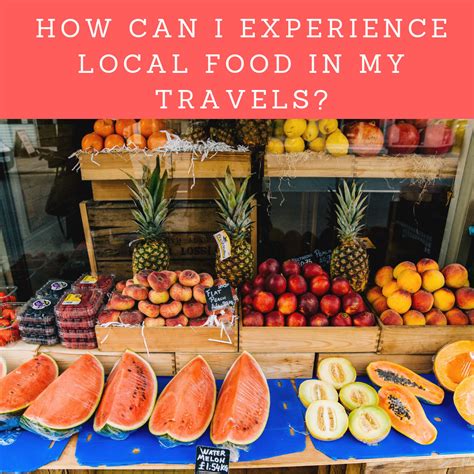
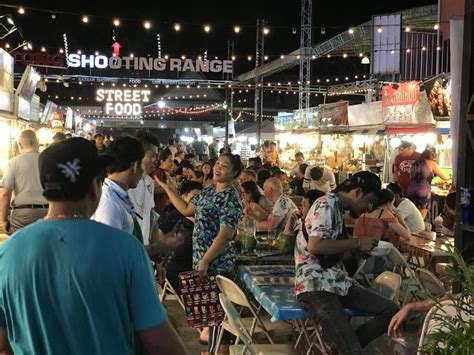
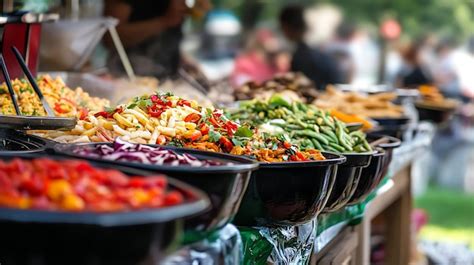
- Explore Markets and Street Food: Local markets are vibrant hubs of activity and the birthplace of many regional specialties. Watch what ingredients are popular, and don’t shy away from street food stalls. Long queues of locals are usually a sign of something truly delicious.
- Venture Off the Beaten Path: While some popular spots are famous for a reason, the most authentic experiences often lie a few blocks away from the main attractions. Wander through residential areas or smaller side streets.
- Look for Cues: A simple menu (or no menu at all), a focus on one or two dishes, communal seating, and a bustling atmosphere are all indicators of a beloved local eatery.
- Dine at the Right Time: Eating when locals do (often later in the evening) can offer a more authentic atmosphere and ensure the freshest preparations.
Mastering the Art of Food Photography
Once you’ve found your culinary treasure, the next step is to capture its essence visually. Great food photography is about more than just a snapshot; it’s about telling a story that makes viewers almost taste the dish.
Leverage Natural Lighting
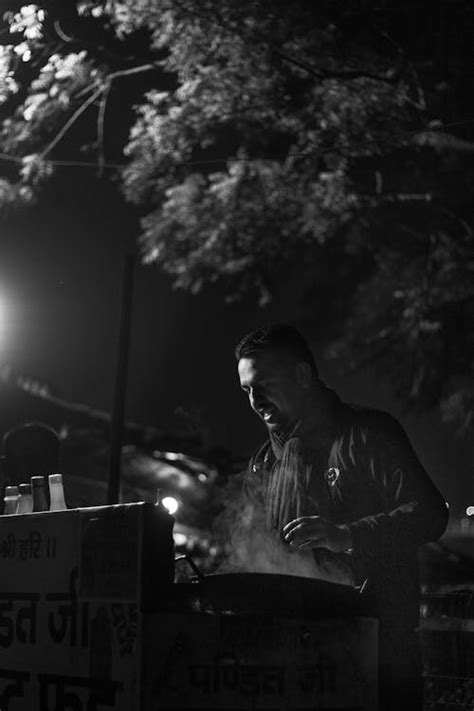
This is arguably the most crucial element. Always seek out natural light, preferably soft, diffused light from a window or an open doorway. Avoid harsh overhead lighting or using your camera’s flash, which can create unflattering shadows and color casts. Position your dish so the light hits it from the side or slightly behind to create dimension and texture.
Composition is Key
- Rule of Thirds: Imagine your frame divided into nine equal sections by two horizontal and two vertical lines. Place your main subject at the intersections or along these lines for a more dynamic shot.
- Angles: Experiment with different perspectives. An overhead shot (flat lay) works wonderfully for showing multiple dishes or ingredients. Eye-level captures the intimacy of a single plate, while a close-up can highlight texture and detail.
- Leading Lines: Use elements like cutlery, table edges, or even the arrangement of ingredients to draw the viewer’s eye towards your main subject.
- Negative Space: Don’t be afraid of empty space around your food. It can help the dish stand out and create a sense of balance.
Props and Backgrounds
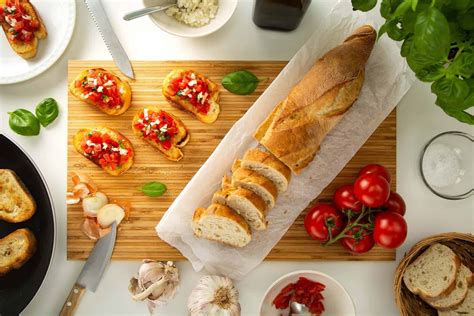
Keep your props minimal and relevant. A simple linen napkin, a rustic cutting board, or local ceramics can add character without distracting from the food. Choose backgrounds that complement the dish without being too busy. Think about the story you want to tell – are you in a bustling market or a quaint cafe?
Editing for Impact
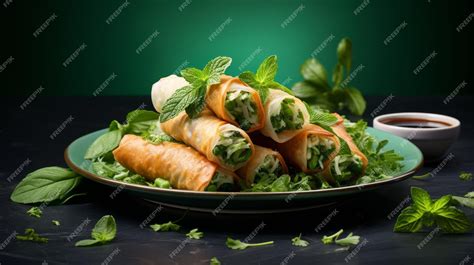
Even with perfect light and composition, a little post-processing can elevate your photos. Use editing apps or software to adjust brightness, contrast, saturation, and sharpness. The goal is to enhance the natural beauty of the food, not to create an artificial look. Focus on making colors pop and textures inviting.
Beyond the Photo: Storytelling and Engagement
Your food feed is more than just a collection of pretty pictures; it’s a narrative of your culinary journey. Write engaging captions that share the story behind the dish: where you found it, its history, the flavors, and the experience. Tag local establishments (if appropriate), use relevant hashtags, and interact with your audience. Respond to comments and questions to build a community around your shared love for food.
Conclusion: A Feast for the Senses
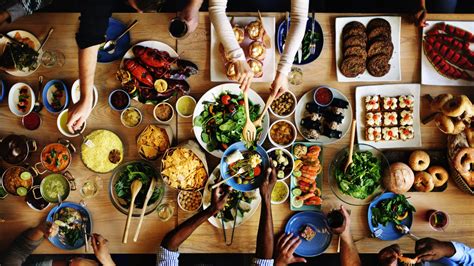
Finding authentic local eats and capturing them beautifully is a rewarding art form that enriches your travels and inspires your audience. By combining adventurous exploration with thoughtful photography and compelling storytelling, you can create a food feed that not only looks stunning but genuinely conveys the delicious heart and soul of your culinary adventures. So, go forth, explore, taste, and capture the world, one exquisite bite at a time!