How do you keep fresh herbs vibrant & visually appealing longer for gourmet meals?

The Essence of Fresh Herbs in Gourmet Cuisine
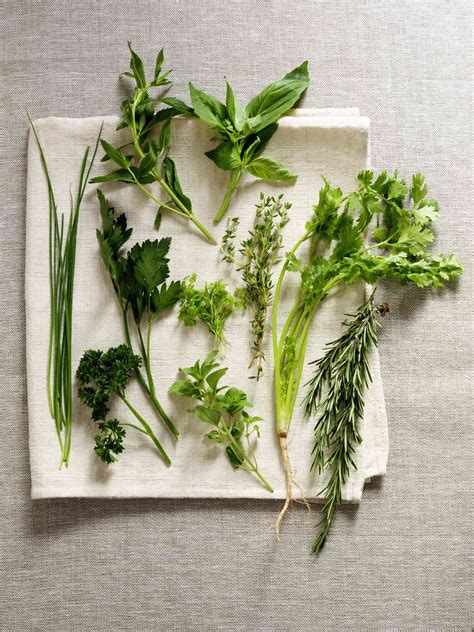
Fresh herbs are indispensable in gourmet cooking, not just for their aromatic depth and nuanced flavors, but also for their vivid color and textural contrast. They can transform a simple dish into an extraordinary culinary experience. However, their delicate nature often means they wilt and lose their appeal quickly, diminishing both taste and presentation. Learning how to prolong their vitality is a skill every home chef striving for gourmet results should master.
Initial Selection and Immediate Handling
The journey to long-lasting freshness begins at the point of purchase. Always choose herbs with bright, unblemished leaves and firm stems. Avoid any that show signs of yellowing, wilting, or dark spots. Once home, resist the urge to wash them immediately unless you plan to use them right away. Excess moisture can accelerate spoilage. Instead, gently pat them dry with a paper towel if they seem damp, and remove any bruised or damaged leaves.
Strategic Storage Methods for Longevity
Different herbs thrive under different storage conditions. Understanding these nuances is key:
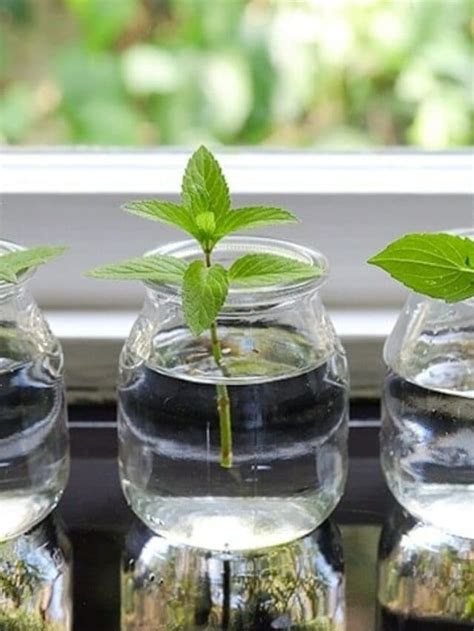
- The Bouquet Method (for Parsley, Cilantro, Basil, Mint): Treat these like a bouquet of flowers. Trim the bottoms of the stems and place them upright in a glass or jar with about an inch of water. For basil, leave it on the countertop away from direct sunlight, as refrigeration can cause it to blacken. For parsley, cilantro, and mint, loosely cover the top with a plastic bag (or the produce bag from the store) and refrigerate. Change the water every day or two.
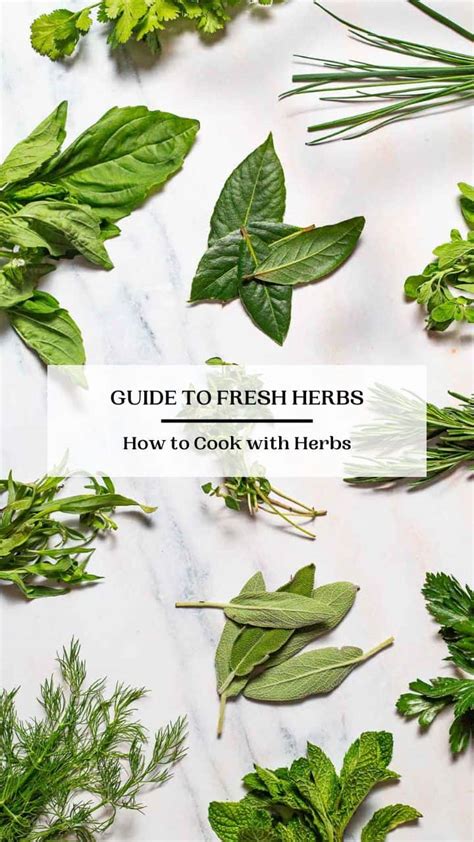
- The Damp Paper Towel Method (for Dill, Tarragon, Rosemary, Thyme, Oregano): These hardier herbs, and some more delicate ones like dill, benefit from being wrapped in a slightly damp paper towel, then placed in a sealed plastic bag or airtight container before refrigerating. This method maintains a humid environment without causing sogginess.
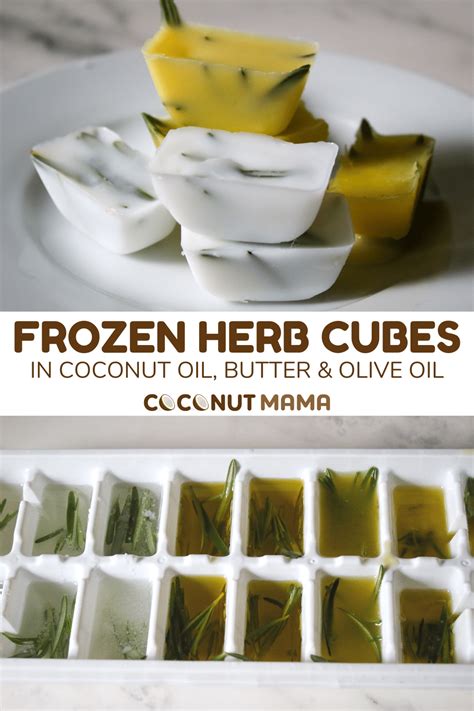
- Freezing for Longer Term Use: For herbs you won’t use within a week or two, freezing is an excellent option. Finely chop herbs like parsley, cilantro, dill, or chives and mix them with a little olive oil or water. Spoon this mixture into ice cube trays and freeze. Once frozen, transfer the herb cubes to an airtight freezer bag. When needed, simply drop a cube into soups, stews, or sauces. Whole sprigs of rosemary or thyme can also be frozen directly in freezer bags.
Revitalizing Wilting Herbs
Even with the best storage practices, sometimes herbs can look a bit droopy. Don’t despair! Many can be revitalized. For leafy herbs like parsley or cilantro, give them an ice bath. Submerge the wilted herbs in a bowl of ice water for 15-30 minutes. The cold water will help them rehydrate, restoring their crispness and vibrant color. Pat them completely dry before use.
Preparing and Presenting for Peak Appeal
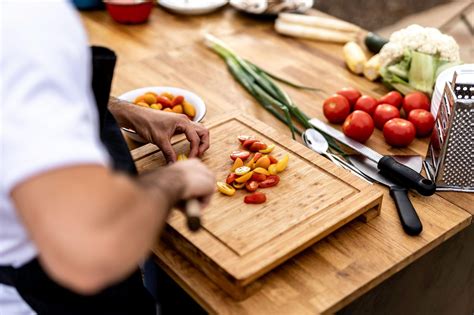
How you prepare and present your herbs is just as crucial for gourmet meals. Always wash herbs thoroughly just before use, under cool running water. Pat them completely dry with a paper towel or use a salad spinner to remove excess moisture; wet herbs cling together and can bruise easily. When chopping, use a sharp knife to ensure clean cuts, which minimizes bruising and preserves their fresh appearance. For garnishes, add them at the last possible moment before serving to maintain their crisp texture and bright color, making your gourmet dish visually spectacular.

Conclusion
Elevating your home cooking to gourmet standards is an ongoing journey, and mastering herb care is a significant step. By carefully selecting your herbs, employing appropriate storage methods, knowing how to revive them, and preparing them with precision, you can ensure they remain vibrant, flavorful, and visually stunning, making every meal a masterpiece.