How do you keep vibrant colors in cooked veggies for photogenic plating?

In the culinary world, we eat first with our eyes. The visual appeal of a dish can elevate the dining experience from good to extraordinary. When it comes to vegetables, their natural vibrancy is a powerful asset, but it’s often lost in the cooking process. Whether you’re a home cook aiming for Instagram-worthy meals or a professional chef striving for perfection, maintaining those dazzling hues is a skill worth mastering. Let’s delve into the techniques that will keep your cooked veggies bursting with color.
The Science Behind Vegetable Color
Understanding why vegetables lose their color is the first step to preventing it. Different pigments react differently to heat, acid, and alkali. Chlorophyll (greens) is highly sensitive to acid and prolonged heat, turning dull olive-green. Carotenoids (oranges, yellows) are more stable. Anthocyanins (reds, purples) can change dramatically with pH levels, turning blue in alkaline environments and redder in acidic ones. Flavonoids (whites) can yellow or brown.
Blanching and Shocking: Your Best Friend
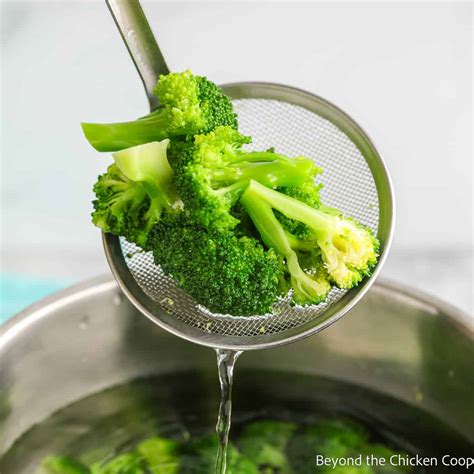
This classic technique is indispensable for preserving the bright green of vegetables like broccoli, asparagus, green beans, and spinach. Blanching involves briefly plunging vegetables into rapidly boiling, salted water, followed immediately by an ice bath (shocking).
The hot water denatures enzymes that cause browning and dulling, while the salt enhances flavor and helps seal in color. The ice bath halts the cooking process instantly, preventing overcooking and setting that brilliant hue. This method is effective for maintaining a crisp texture too.
Mindful Cooking Times and Temperatures
Overcooking is arguably the biggest culprit behind faded vegetables. Prolonged exposure to heat breaks down cell walls and pigments, leading to dull colors and mushy textures. Cook vegetables just until they are crisp-tender, or al dente. High heat for a short duration is often better than low heat for a long time. Steaming or quick sautéing can be excellent alternatives to boiling, as they minimize contact with water, which can leach out water-soluble pigments.
Acid, Alkali, and Oxidation
Be cautious with acids (vinegar, lemon juice) during the initial cooking phase, especially with green vegetables, as they can quickly turn them olive-drab. Add acidic ingredients only at the very end of cooking or as part of a dressing. Conversely, a tiny pinch of baking soda can sometimes enhance the green color of vegetables, but use it sparingly as it can lead to a mushy texture if overused. Oxidation after cooking can also dull colors, so ideally, cook and serve promptly.
Preparation and Storage Prior to Cooking
The vibrancy of your cooked vegetables starts long before they hit the pan. Always begin with fresh, high-quality produce. Properly store vegetables to maintain their freshness and inherent color. Wash them thoroughly but avoid soaking for extended periods, which can leach out nutrients and pigments.
Plating for Perfection
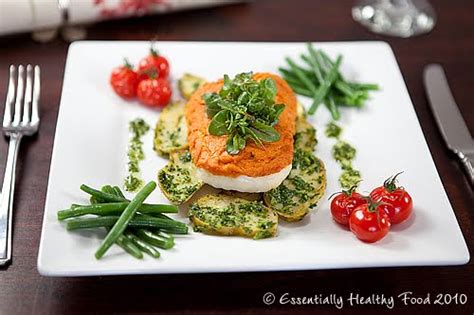
Once your vegetables are perfectly cooked and vibrantly colored, immediate plating is crucial. Don’t let them sit for too long, as residual heat can continue to cook them, and exposure to air can cause oxidation. A light drizzle of high-quality olive oil or a knob of butter can add a beautiful sheen and enhance their visual appeal on the plate.

Quick Tips for Specific Veggies
- Greens (Broccoli, Asparagus, Green Beans, Spinach): Blanching and shocking is non-negotiable.
- Red/Purple (Beets, Red Cabbage): These are rich in anthocyanins. A little acid (like vinegar) can help fix the red color and prevent bleeding, especially with cabbage. Beets will bleed regardless, so cook them separately or embrace the color transfer.
- Orange/Yellow (Carrots, Bell Peppers, Sweet Potatoes): Carotenoids are quite stable. Roasting can intensify their color and sweetness. Avoid over-softening.

Conclusion
Achieving vibrant, photogenic vegetables isn’t just about good luck; it’s about understanding the science and applying proven techniques. From the critical step of blanching and shocking to mindful cooking times and thoughtful plating, each element plays a role in preserving the natural beauty of your produce. Embrace these methods, and your dishes will not only taste incredible but also look like a masterpiece, making every meal a feast for the eyes.