How do you make everyday real food meals look as good as they taste?
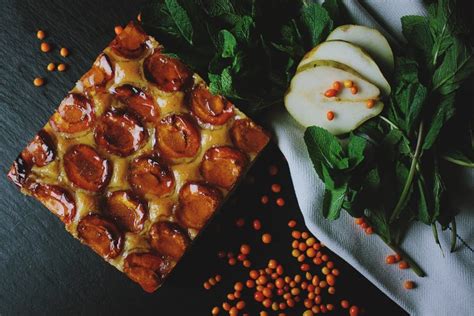
In a world saturated with picture-perfect culinary creations, it’s easy to feel intimidated when trying to make your own wholesome, real food meals look as appealing as they taste. The good news is that you don’t need professional styling equipment or gourmet ingredients to elevate your everyday dishes. With a few simple tricks and a mindful approach, you can transform ordinary home-cooked meals into visually delightful experiences that rival any restaurant presentation.
The Art of Everyday Food Presentation
Presentation is not just for special occasions; it’s an integral part of the dining experience, even for a simple Tuesday night dinner. Our eyes eat first, and an attractively plated meal can enhance enjoyment, stimulate appetite, and even make healthy foods more appealing. Here’s how to master the basics of everyday food styling.
Start with Color and Contrast
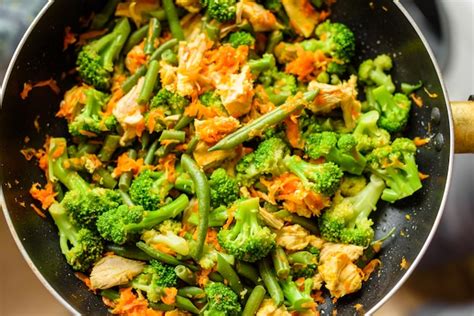
One of the easiest ways to make a dish pop is by incorporating a variety of colors. Think about the natural hues of your ingredients. A monochromatic plate can look dull, but adding a splash of vibrant red from bell peppers, the deep green of spinach, or the bright orange of carrots can instantly make your meal more inviting. Aim for at least three distinct colors on your plate. Also, consider contrast in your ingredients – don’t let everything blend into one another. Dark greens against light proteins, or vibrant sauces over neutral staples, create visual interest.
Master the Plate Itself
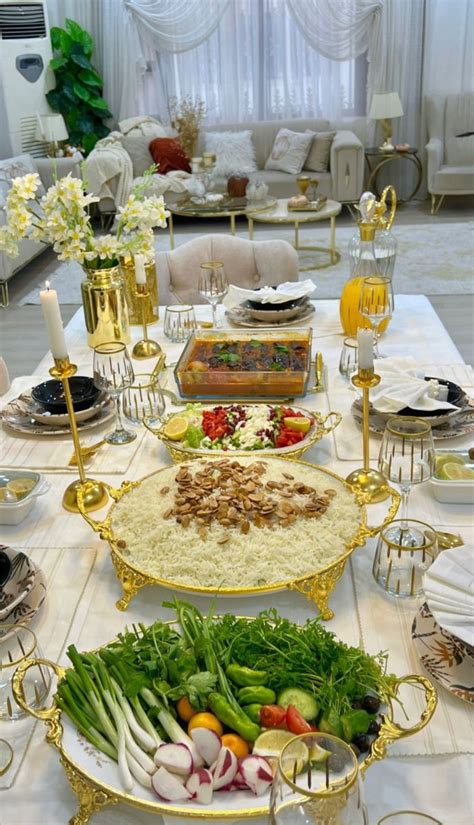
Your plate is your canvas. Don’t overcrowd it. Leave some negative space, typically around the edges, to give your dish room to breathe and appear more deliberate. Think about the “rule of thirds” or arranging elements in odd numbers, like three asparagus spears instead of four. Often, dishes look best when they have some height. Instead of spreading everything flat, try to stack components slightly – perhaps a bed of grains topped with protein, then a small pile of vegetables. Sauces can be drizzled artfully around or underneath the main components, rather than drowning them.
Texture and Shape Play
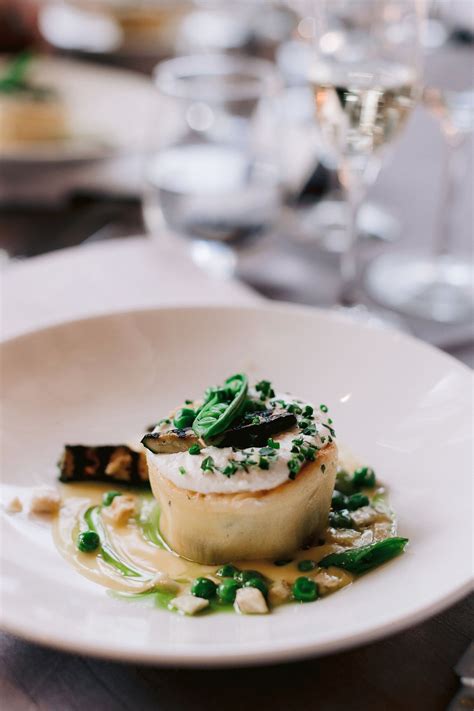
A visually appealing dish also offers a variety of textures. Imagine a plate with only soft, mushy foods – not very exciting! Incorporate elements that are crunchy (nuts, seeds, croutons), creamy (avocado, yogurt-based sauces), crispy (roasted vegetables, seared proteins), and tender. Think about how you cut your ingredients too. Uniformly diced vegetables can look neat, while julienned or spiraled cuts add elegance. Varying shapes and sizes adds dynamic interest to the plate.
The Magic of Garnishes
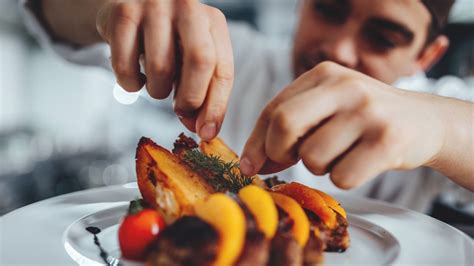
Garnishes are often seen as an afterthought, but they can be the finishing touch that elevates a meal from good to gorgeous. A sprinkle of fresh herbs (parsley, cilantro, dill), a dash of sesame seeds, a pinch of chili flakes, or a wedge of lemon can add color, texture, and a burst of flavor. A drizzle of olive oil, a swirl of balsamic glaze, or a dollop of yogurt can also act as a simple yet effective garnish, adding shine and depth. Remember, less is often more – don’t over-garnish.
Choose Your Canvas Wisely
The serving dishes themselves play a huge role. Plain white plates are often preferred by chefs because they allow the food’s colors to truly stand out. However, don’t be afraid to experiment with other neutral colors or even patterned plates if they complement your meal. Consider the size of your plate relative to the portion; a small portion on a huge plate can look sparse, while a generous portion on a small plate looks overstuffed. Even simple wooden cutting boards or slate tiles can serve as attractive backdrops for certain dishes like appetizers or rustic meals.

Lighting and Simplicity
If you’re taking photos of your food, natural light is your best friend. Position your plate near a window but out of direct sunlight for soft, even illumination. Avoid overhead kitchen lights, which can cast harsh shadows. For presentation, good ambient lighting at the table also enhances the dining experience. Finally, remember that simplicity is key. You don’t need to create an intricate masterpiece every time. Focus on clean lines, intentional placement, and letting the natural beauty of your fresh, real food ingredients shine through. A well-placed main component, a colorful side, and a thoughtful garnish are often all it takes.

Making everyday real food meals look as good as they taste is a skill that develops with practice and observation. By paying attention to color, texture, plating techniques, and thoughtful garnishes, you can turn every meal into a feast for both the eyes and the palate. Enjoy the process of creating beautiful, nourishing food that truly satisfies on all levels!