How do you make simple, healthy real food dishes look stunning for a visual feed?

The Power of Presentation: Why Visuals Matter
In today’s visually-driven world, a picture is worth a thousand likes, especially when it comes to food. While the health benefits of simple, real food dishes are undeniable, their natural, often rustic appearance might not always grab attention on a bustling visual feed. But fear not! You don’t need professional equipment or advanced culinary training to make your nutritious creations look absolutely stunning. With a few thoughtful strategies, you can elevate your everyday meals into scroll-stopping masterpieces.
Making your healthy food visually appealing isn’t just about vanity; it’s about inspiration. When your healthy dishes look vibrant and delicious, you’re more likely to inspire yourself and others to eat well, proving that nutritious food can be just as appetizing to the eyes as it is to the body.
Master the Art of Plating
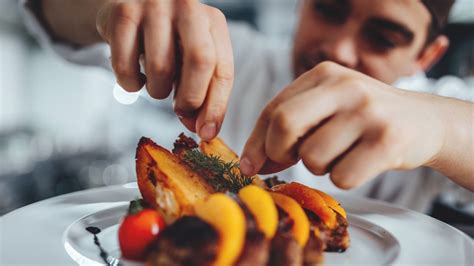
Plating is perhaps the most critical step in food styling. Think of your plate as a canvas and your food as the art. Start with a clean, simple background – a white or neutral-colored plate often works best to make the colors of your food pop. Avoid overcrowding; leave some white space to let each component breathe and shine.
Consider the ‘rule of odds’ when arranging ingredients, grouping items in threes or fives for a more natural and appealing look. Build height and texture; instead of just flattening everything, stack ingredients slightly or drizzle sauces in an artistic manner. A small serving of your dish, artfully arranged, often looks more refined and appetizing than a massive, sprawling portion.
Lighting is Your Best Friend
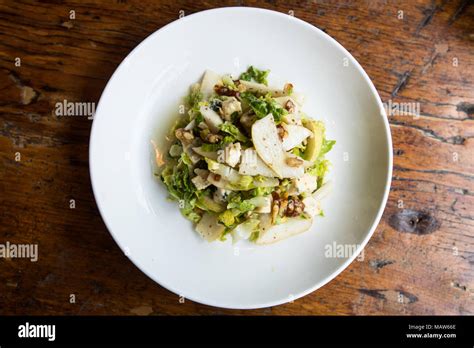
Good lighting can make or break a food photo. The golden rule: always use natural light. Position your dish near a window, ideally with soft, diffused light, avoiding direct harsh sunlight which can create unflattering shadows and overexposed spots. If natural light isn’t an option, invest in a simple LED light panel with a diffuser.
Experiment with light direction. Side lighting often creates appealing shadows and highlights that add depth and dimension to your food. Backlighting can give your dish a beautiful glow, especially liquids or translucent ingredients, but be careful not to underexpose the front of your food.
Choose Your Stage: Props and Backgrounds
The right background and props can enhance your food without overshadowing it. Opt for simple, neutral backgrounds like a wooden table, a linen tablecloth, a stone slab, or even a plain colored sheet. Avoid busy patterns that distract from the food.
Props should be minimal and relevant. Think about what complements the dish or tells a story: a few fresh herbs, a rustic fork, a small glass of water, or a strategically placed ingredient used in the dish itself. Ensure your props are clean and well-maintained. Less is often more; too many props can clutter the frame and detract from your main subject.
The Finishing Touches: Garnishes
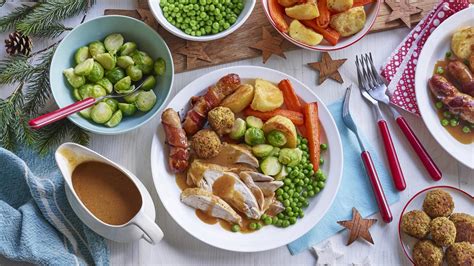
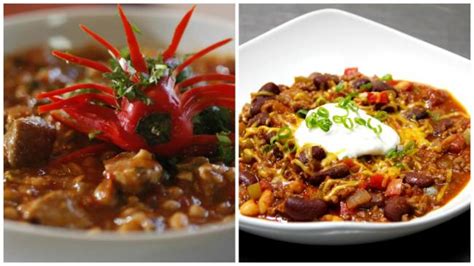
Garnishes are like the jewelry for your dish – they add sparkle and polish. Fresh herbs like parsley, cilantro, dill, or mint can add a burst of color and freshness. A sprinkle of seeds (sesame, chia, pumpkin) or nuts can provide texture and visual interest. A drizzle of olive oil, a squeeze of lemon, or a dash of paprika can also elevate the look.
Think about contrasting colors and textures. If your dish is mostly one color, add a garnish that stands out. If it’s smooth, add something crunchy. A carefully placed sprig of rosemary or a few chili flakes can transform an ordinary bowl into an enticing feast for the eyes.
Angles and Composition
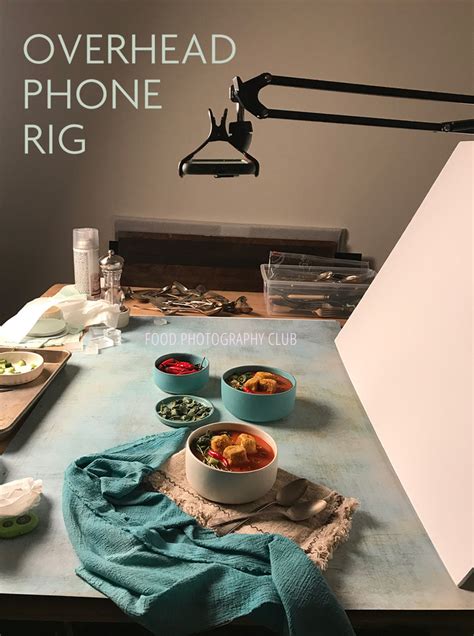
Experiment with different camera angles to find the most flattering view of your dish. Overhead (flat lay) shots are popular for bowls, pizzas, and dishes with beautiful toppings, showcasing the entire spread. A 45-degree angle is great for dishes with height, like burgers or stacks, mimicking how you’d naturally view food on a table.
Apply the ‘rule of thirds’: imagine your frame divided into nine equal sections by two horizontal and two vertical lines. Place key elements of your dish along these lines or at their intersections for a more dynamic and balanced composition. Don’t be afraid to zoom in on key textures or colors to highlight specific elements.
Keep it Real, Keep it You
While styling tips are helpful, remember the essence of your visual feed: authenticity. Your followers appreciate seeing real, healthy food that’s achievable in a home kitchen. Don’t over-style to the point where your food looks unappetizing or unapproachable. Let your personality shine through in your styling choices.
Consistency in your visual style can also help your feed look more cohesive and professional. Whether it’s your lighting, your background choices, or your preferred editing style, finding a consistent aesthetic helps build your unique brand and makes your stunning healthy dishes instantly recognizable.
Conclusion
Transforming simple, healthy real food dishes into stunning visuals for your feed is an enjoyable and rewarding process. By focusing on thoughtful plating, utilizing natural light, choosing complementary backgrounds and props, adding strategic garnishes, and experimenting with angles, you can elevate your food photography game. Remember, the goal is to celebrate the beauty of nutritious eating and inspire others, one stunning, healthy plate at a time. Happy styling!