How do you plan food adventures for visually stunning, authentic feeds?
In the vibrant world of food blogging and social media, creating a feed that’s both visually stunning and authentically representative of culinary experiences is the holy grail. It’s more than just snapping a photo of a delicious meal; it’s about telling a story, capturing the essence of a culture, and inspiring wanderlust through your lens. This guide delves into the strategic planning required to achieve that perfect balance, transforming your food adventures into captivating content.
Research: The Foundation of Authenticity and Appeal
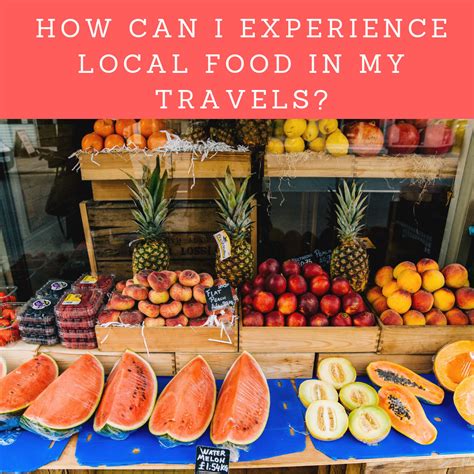
Every successful food adventure begins long before you even pack your bags. Deep-dive research is paramount. Go beyond the mainstream tourist traps and seek out local eateries, street food vendors, and hidden gems recommended by locals. Look for places known not only for their delicious food but also for their unique ambiance, vibrant decor, or interesting preparation methods that naturally lend themselves to stunning visuals. Understand the local ingredients, cooking techniques, and the cultural significance of the dishes you plan to try.
Utilize platforms like Instagram’s geotags, local food blogs, and online forums to unearth truly authentic spots. Pay attention to the types of photos being shared from these locations – do they align with the visual aesthetic you’re aiming for? Focus on places where the food itself is a work of art, or where the environment provides an inherently photogenic backdrop. This meticulous planning ensures that your feed showcases not just food, but a genuine cultural immersion.
Strategic Location Scouting for Visuals
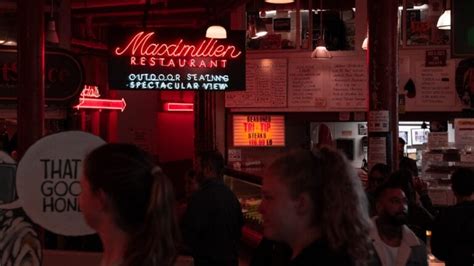
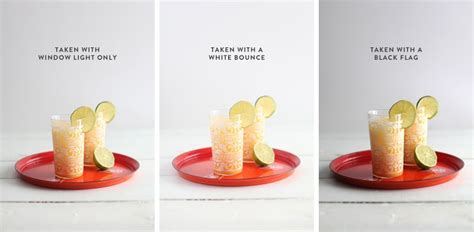
Once you’ve identified potential culinary hotspots, consider the visual potential of each location. Natural lighting is your best friend. Scout locations for optimal light, aiming for times of day when the light is soft and diffused – think golden hour for outdoor shots or bright, but not harsh, daylight near windows for indoor settings. Observe the table settings, the decor, and the overall atmosphere. Are there unique architectural details, vibrant murals, or rustic textures that can add character to your shots?
Think about the composition before you even order. Where will you sit to get the best angle? Is there a particular dish that looks spectacular when presented in a specific way? Sometimes, a simple shift in perspective can transform an ordinary shot into something extraordinary. Look for opportunities to capture not just the dish, but the hands that prepared it, the steam rising, or the vibrant chaos of a bustling market stall. These details add depth and authenticity to your visuals.
Mastering the Art of Plating and Presentation
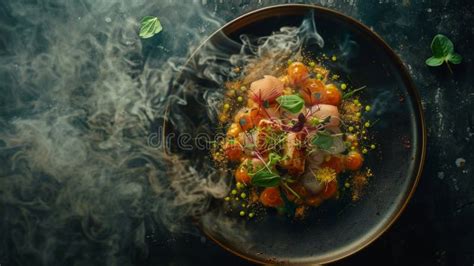
While you won’t be plating the food yourself, you can influence the presentation. Often, simply asking for a dish to be served in a traditional manner can make a huge difference. Pay attention to the vessel the food comes in, the garnishes, and the overall arrangement. If possible, strategically move elements around (ever so slightly and respectfully!) to enhance the composition without distorting the authenticity. The goal is to highlight the food’s natural beauty and tell its story through careful framing.
Consider bringing minimal, discreet props if they truly enhance the narrative without overwhelming the scene. A beautifully textured linen napkin, a simple fork, or a small, culturally relevant item can add interest. However, always prioritize the food itself and its environment. Authenticity often lies in simplicity and the genuine presentation of the dish as it’s meant to be enjoyed by locals.
Engaging with Local Culture for Authentic Stories
Authenticity goes beyond just the food on the plate; it encompasses the people, traditions, and stories behind it. Make an effort to engage with chefs, vendors, and locals. Ask about the history of a dish, the sourcing of ingredients, or personal anecdotes. These interactions not only enrich your personal experience but also provide invaluable content for your captions and narratives, transforming your posts from mere food photos into compelling cultural stories.
Capture candid moments: the chef meticulously preparing a dish, a vendor passionately explaining their produce, or locals enjoying a meal. These human elements add a layer of depth and relatability that stock-like food photos often lack. They show your audience that you’re not just a passive observer but an active participant in the culinary journey.
Post-Adventure Curation and Storytelling
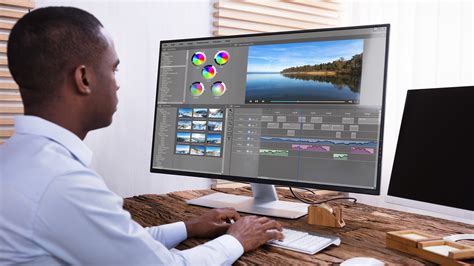
After your adventure, the planning continues with curation and storytelling. Select photos that not only look good but also collectively tell a cohesive story of your experience. Edit your images to enhance their visual appeal, focusing on brightness, contrast, and color balance, but always maintain realism. Avoid over-editing or using filters that distort the natural colors and textures of the food, which could compromise authenticity.
Craft compelling captions that weave together the visual with the narrative. Share the stories you gathered, the cultural insights you gained, and the personal feelings evoked by the food. Use descriptive language that transports your audience to that place and time. By meticulously planning from research to post-production, you can consistently create a food adventure feed that is both a visual feast and a genuine testament to global culinary wonders.