How do you plate healthy meals beautifully for photos?

The visual appeal of food is almost as important as its taste, especially when capturing it for photos. Healthy meals, often perceived as plain, can be transformed into vibrant, mouth-watering displays with thoughtful plating. This guide will walk you through the essential techniques to make your nutritious dishes photo-ready and irresistibly beautiful.
The Foundation: Fresh, Vibrant Ingredients
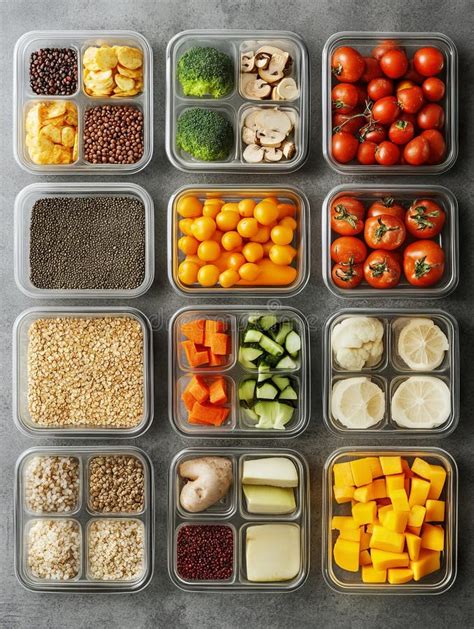
Start with high-quality ingredients. Naturally colorful vegetables, fruits, and herbs are your best friends. A meal built on fresh produce already has a head start in visual appeal. Think about the spectrum of colors available – deep greens, bright reds, sunny yellows, and earthy browns – and how they can complement each other on the plate.
Ensure your ingredients are cooked perfectly to retain their texture and vibrant hues. Overcooked vegetables can lose their brightness and become mushy, making them less appealing for a photo. Blanching green vegetables, for instance, helps preserve their crispness and color.

Mastering Color and Contrast
Color is perhaps the most crucial element in food photography. Aim for a balanced palette. If your main component is monochrome (e.g., chicken breast or quinoa), introduce pops of contrasting color with garnishes like fresh herbs, cherry tomatoes, or a drizzle of brightly colored sauce.
Use contrasting colors to make elements stand out. A dark plate can make light-colored food pop, while a white plate highlights vibrant hues. Consider the color wheel – complementary colors (like red and green) naturally create visual interest.
Texture, Height, and Layering
Flat food rarely looks exciting in photos. Introduce texture and height to add dynamism. Think about layering components: a base of grains, topped with protein, then a scattering of vegetables, and finally a sprinkle of nuts or seeds for crunch.
Create visual interest by varying textures. A smooth hummus next to crunchy roasted chickpeas, or a silky avocado fan beside crisp radish slices. Elevate your food; don’t spread it flat. A dome of rice or a neatly stacked protein can instantly make a dish more attractive.
The Art of Garnish and Finishing Touches
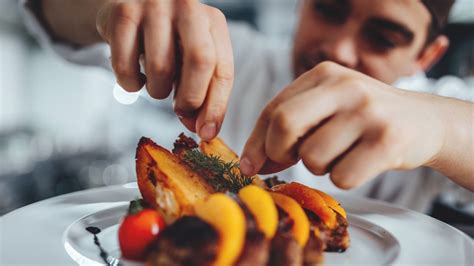
Garnishes are the jewelry of your dish. They add freshness, color, and a professional touch. Think beyond a simple sprig of parsley. Edible flowers, microgreens, toasted nuts, a sprinkle of paprika, or a swirl of balsamic glaze can elevate a dish from good to gourmet.
Placement is key. Don’t overdo it. A few strategically placed garnishes are more effective than a messy scattering. Consider how the garnish complements the flavor profile as well as the visual. A squeeze of fresh lemon or a sprinkle of flaky sea salt can also add that final ‘zing’.

Choosing the Right Canvas: Dishware and Background
Your plate is the backdrop. Simple, neutral-colored plates (white, grey, black) often work best as they allow the food to be the star. Avoid overly patterned or brightly colored plates that compete with the food.
Consider the shape and size of your plate. Rectangular plates can be great for linear arrangements, while round plates often lend themselves to circular or asymmetric designs. Don’t overcrowd the plate; negative space around the food allows the eye to appreciate the composition. Also, think about the background of your photo – a rustic wooden board, a clean kitchen counter, or a simple tablecloth can enhance the overall aesthetic without distraction.
Lighting and Angles for the Perfect Shot
Even the most beautifully plated meal can fall flat with poor lighting. Natural light is almost always best. Position your dish near a window, but avoid direct sunlight which can create harsh shadows. Soft, diffused light highlights textures and colors beautifully. Experiment with different angles – overhead shots (flat lays) work well for showcasing a variety of ingredients, while a 45-degree angle can emphasize height and layers.
![[Oficial] Qual O Último Filme a Que Você Assistiu? (NOME + COMENTÁRIO ...](/images/aHR0cHM6Ly90czIubW0uYmluZy5uZXQvdGg/aWQ9T0lQLmU4VjYxMHRCVklrU1dZeVhPS0ViMFFIYUtsJnBpZD0xNS4x.webp)
Plating healthy meals beautifully for photos is a skill that develops with practice. By focusing on fresh ingredients, mastering color and texture, utilizing thoughtful garnishes, and choosing the right canvas and lighting, you can transform your everyday meals into visual masterpieces. So, grab your camera, experiment with these tips, and start creating healthy food art!