How do you plate healthy, real food meals for stunning visual feeds?

The Art of Eating with Your Eyes
In today’s visually-driven world, a delicious meal isn’t just about taste and nutrition; it’s also about presentation. Especially when sharing your culinary creations on social media, making your healthy, real food look as good as it tastes can significantly enhance its appeal and inspire others. But how do you achieve that stunning visual feed without sacrificing health or spending hours in the kitchen? It’s simpler than you might think, focusing on a few core principles that elevate your dishes from mere sustenance to edible art.
Plating isn’t just for gourmet restaurants; it’s a skill anyone can master with a little practice and an understanding of key aesthetic elements. The goal is to create a harmonious and inviting picture that tells a story about the food you’ve prepared.
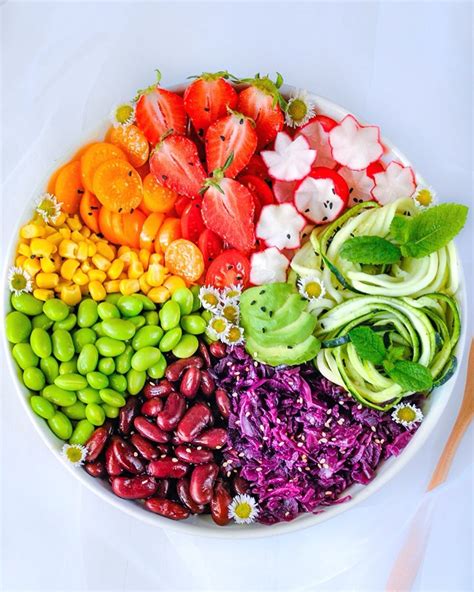
Mastering the Fundamentals: Color, Texture, and Balance
The foundation of any visually appealing dish lies in its balance of color, texture, and overall arrangement. Healthy, real foods naturally offer a vibrant palette and diverse textures, which are your greatest assets.
Embrace a Rainbow of Colors
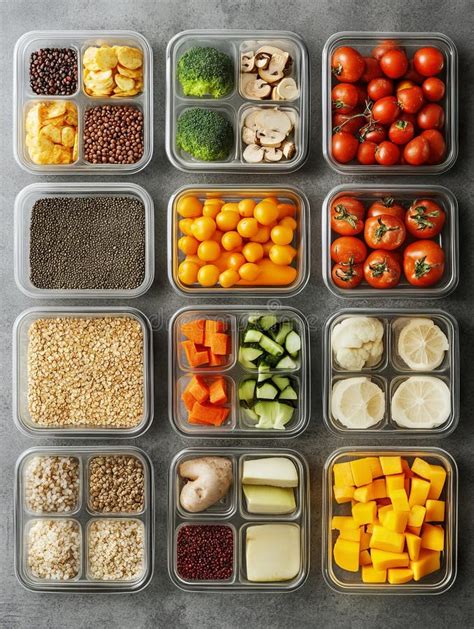
- Vibrant Vegetables: Think deep greens from spinach or broccoli, rich reds from bell peppers or tomatoes, bright oranges from carrots or sweet potatoes, and purples from cabbage or beets. These natural hues are incredibly inviting.
- Proteins: Lean proteins like salmon, chicken breast, or lentils can add their own distinct colors, often providing a neutral base or a contrasting pop.
- Grains/Starches: Quinoa, brown rice, or whole wheat pasta can offer earthy tones that ground the dish.
Play with Textures
A monochromatic, uniformly textured dish is rarely exciting. Introduce contrast! Combine crunchy elements (nuts, seeds, crispy roasted vegetables) with soft ones (purees, creamy sauces, tender proteins). Think about the mouthfeel and how that translates visually—a mix of rough and smooth surfaces adds depth and and interest.
Strategic Arrangement: The Canvas and the Composition
Your plate is your canvas. How you arrange the components can transform a jumble of ingredients into a masterpiece.
Choose the Right Vessel
Opt for simple, often white or neutral-colored plates and bowls. This allows the food to be the star, rather than competing with busy patterns. Different shapes (round, square, rectangular) can also offer varied opportunities for composition. Don’t overcrowd the plate; leave some negative space around the food to let it breathe and highlight individual components.
The Rule of Thirds and Focal Points
Just like in photography, the rule of thirds can guide your plating. Imagine dividing your plate into a 3×3 grid and placing key elements at the intersections or along the lines. Create a clear focal point—perhaps the protein or a beautifully roasted vegetable—and build around it. Stack ingredients to add height and dimension, but avoid making it unstable.

Elevating with Garnishes and Sauces
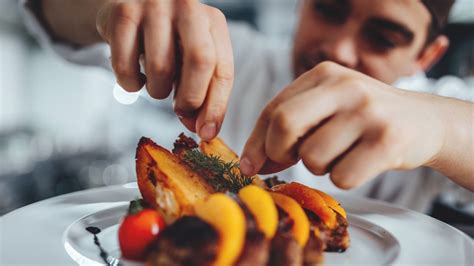
Small details can make a big impact. Garnishes and sauces are your secret weapons for that professional touch.
The Power of Garnishes
Fresh herbs (parsley, cilantro, mint, basil) add a pop of green, aroma, and freshness. A sprinkle of seeds (sesame, chia, pumpkin) or nuts (almonds, walnuts) provides texture and visual interest. A wedge of citrus can brighten both the flavor and the look of the dish. Remember, garnishes should always be edible and complement the meal.
Sauces and Drizzles
A well-placed drizzle of a vibrant sauce (think pesto, balsamic glaze, or a colorful vinaigrette) can tie the dish together, add moisture, and create beautiful patterns. Use a squeeze bottle or spoon to apply sauces artfully, perhaps in a swirl or dots around the main components.
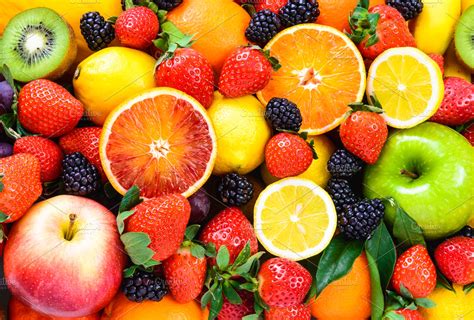
Photography Tips for Your Visual Feed
Even the most perfectly plated meal needs good lighting to shine online.
Natural Light is Your Best Friend
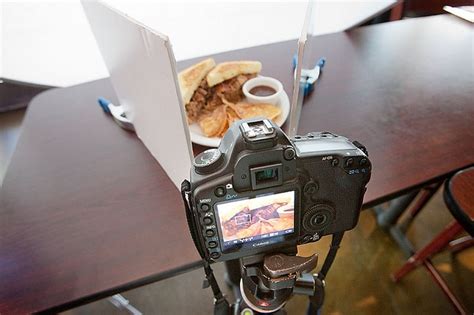
Always photograph your food in natural light, ideally near a window but out of direct sunlight. Overcast days offer soft, even light that’s perfect for food. Avoid using overhead kitchen lights or flash, which can create harsh shadows and unnatural colors.
Angles and Backgrounds
Experiment with different angles: overhead shots are great for bowls or dishes with many components, while a 45-degree angle works well for showing height. Keep your background simple and uncluttered; a wooden table, a simple placemat, or a clean countertop works wonders.
Bringing It All Together: A Healthy Plating Example
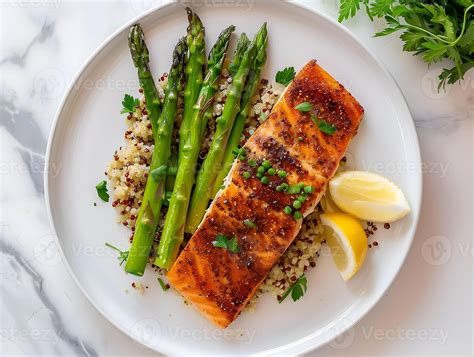
Let’s imagine a grilled salmon fillet with roasted asparagus and quinoa.
- Choose your plate: A clean, white round plate.
- Base: A scoop of fluffy quinoa slightly off-center.
- Protein: Place the salmon fillet elegantly on top of or beside the quinoa, perhaps slightly overlapping.
- Vegetables: Arrange the bright green roasted asparagus spears diagonally across the plate or fanned out beside the salmon.
- Garnish/Sauce: Drizzle a vibrant lemon-dill sauce artistically around the salmon and quinoa, and sprinkle fresh chopped dill or a few toasted slivered almonds on top for texture and visual pop. A lemon wedge on the side completes the picture.
Notice the variety of colors (pink salmon, green asparagus, white/tan quinoa, yellow lemon, green dill), textures (flaky salmon, crisp asparagus, soft quinoa, crunchy almonds), and the thoughtful arrangement. This creates an appealing, balanced, and mouth-watering image.
Conclusion
Plating healthy, real food for stunning visual feeds is an accessible skill that combines creativity with an understanding of basic aesthetic principles. By paying attention to color, texture, arrangement, and thoughtful garnishes, you can transform everyday meals into works of art. Practice regularly, experiment with different ingredients and layouts, and soon you’ll be creating dishes that are as beautiful to behold as they are delicious and nutritious to eat. Get ready to inspire your followers and make healthy eating even more enjoyable!