How do you visually assess ingredient quality for truly gourmet recipes?

Gourmet cooking transcends mere following of instructions; it’s an art deeply rooted in the quality of its components. While a recipe provides the blueprint, the true magic unfolds when each ingredient sings with freshness, vitality, and flavor. For the discerning home chef, mastering the visual assessment of ingredients is an indispensable skill, ensuring every dish is not just good, but truly extraordinary.
The Foundation: Fresh Produce
The vibrant heart of many gourmet dishes lies in fresh fruits and vegetables. Visual cues are paramount here.
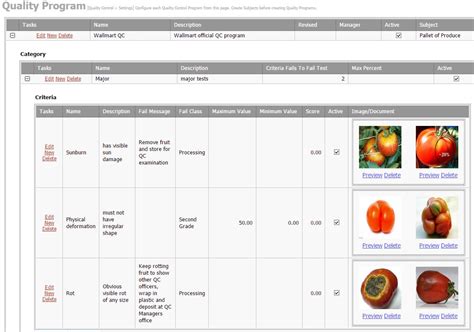
- Color and Vibrancy: Look for rich, true colors. A dull or faded hue often indicates age or poor handling. Greens should be bright, reds deep, and yellows sunny.
- Texture and Firmness: Produce should feel firm and crisp, never soft, mushy, or withered. Wilting leaves, soft spots on fruit, or wrinkled skins are red flags.
- Absence of Blemishes: While a tiny bruise might be acceptable for immediate use, avoid produce with large dark spots, mold, or significant damage.
The Protein Powerhouse: Meats and Poultry
High-quality proteins are non-negotiable for gourmet meat dishes.
- Meat (Beef, Lamb, Pork):
- Color: Beef should be bright cherry red (not brownish or purplish), pork pale pink, and lamb a rich red.
- Marbling: For cuts like steak, look for fine, even streaks of white fat (marbling) distributed throughout the lean muscle. This indicates tenderness and flavor.
- Texture: Should appear firm and slightly moist, not slimy or dry.
- Poultry (Chicken, Turkey):
- Skin: Should be intact, smooth, and free from discoloration or bruising. A yellowish tint can indicate a corn-fed bird, which is often desirable.
- Flesh: Should be plump and firm. Avoid birds with pale, watery-looking flesh.

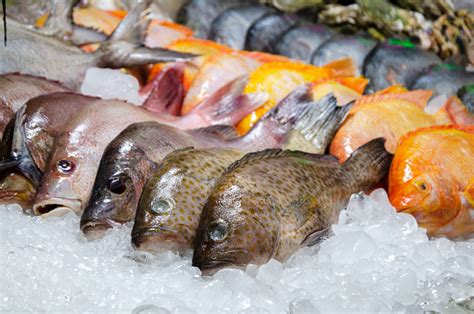
From the Depths: Seafood Excellence
Seafood demands the keenest eye, as freshness is fleeting.
- Whole Fish:
- Eyes: Clear, bulging, and shiny – not cloudy or sunken.
- Gills: Bright red, not brown or slimy.
- Skin: Shiny, moist, and firm with scales adhering tightly.
- Smell: Should smell like a clean ocean breeze, not overtly “fishy.”
- Fillets and Steaks: Should be translucent, firm, and free of gaping or discoloration.
- Shellfish (Shrimp, Scallops): Should have a firm texture and a fresh, mild scent. Shrimp should be firm and translucent, not opaque or mushy.
Dairy and Eggs: Cream of the Crop
Often overlooked, the quality of dairy and eggs significantly impacts richness and texture.
- Eggs:
- Shells: Clean, intact, and free of cracks. A dull, slightly porous shell is normal for fresh eggs.
- Yolk (after cracking): A high-quality egg will have a firm, domed yolk that stands tall, surrounded by two distinct layers of albumen (egg white).
- Dairy (Milk, Cream, Cheese):
- Smell: Fresh, clean, and free of any sour or off-notes.
- Appearance: Milk and cream should be homogenous; cheese should have a consistent color and texture appropriate to its type, free from mold unless it’s an intentional part of the cheese (e.g., blue cheese).

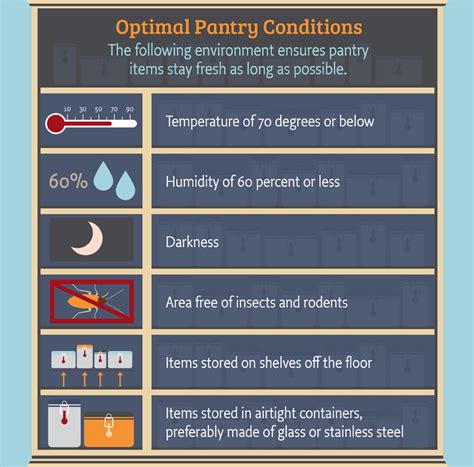
The Unsung Heroes: Pantry Staples
Even seemingly mundane ingredients contribute to the gourmet experience.
- Herbs and Spices: Should be vibrant in color and intensely aromatic. Dull color and faint smell indicate old age and diminished potency.
- Oils and Vinegars: Clear, without cloudiness or sediment (unless it’s a specialty product like unfiltered olive oil). Quality olive oil has a rich green or golden hue.
- Grains and Legumes: Should be uniform in size and color, free from dust, debris, or insect damage.
Conclusion
Developing a keen eye for ingredient quality is an ongoing journey, refined with practice and experience. By paying close attention to these visual cues, you elevate your cooking from merely preparing food to crafting truly gourmet experiences, one meticulously chosen ingredient at a time. Trust your senses, and your palate will thank you.