How do you visually discover and document truly authentic local eats?

For the intrepid traveler and the curious local alike, the quest for truly authentic eats is a culinary pilgrimage. It’s about more than just satisfying hunger; it’s about connecting with a culture through its flavors, understanding its history in every bite, and discovering the soul of a place far from the well-trodden tourist paths. But how do you discern the genuine article from the cleverly marketed imitation? The answer often lies in keen observation and strategic documentation.
The Art of Visual Discovery: Spotting Authenticity
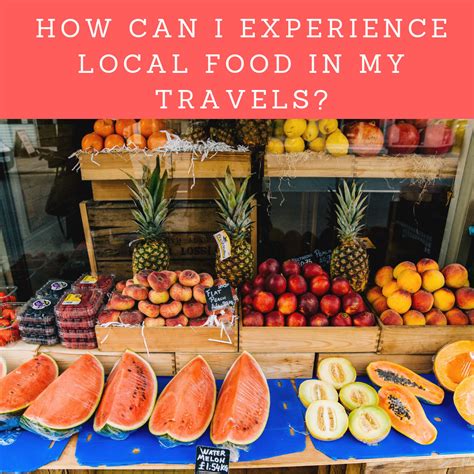
Authenticity in local food isn’t always heralded by flashy signs or glowing reviews in international guides. More often, it’s found in humble settings, bustling with a particular kind of energy. The first visual cue to look for is the clientele. Are the tables filled predominantly with locals – families, workers on lunch breaks, elderly residents? This is often the most telling sign. Locals know where the good, affordable, and authentic food is.
Next, observe the establishment itself. Authentic spots often prioritize substance over style. They might be small, unpretentious, or even a bit worn, but clean and well-maintained. Look for specific visual elements that hint at tradition: an open kitchen where you can see age-old cooking methods in action, stacks of fresh, locally sourced ingredients, or simple, functional décor that reflects the region’s heritage rather than a generic theme. The menu itself can be a visual guide – if it’s handwritten, in the local language (perhaps with a few English translations as an afterthought), and focused on a limited number of specialties, you’re likely on the right track.
Documenting Your Culinary Finds: Beyond the Snapshot
Once you’ve visually identified a promising spot, the next step is to document your experience in a way that truly captures its essence. This goes beyond a quick photo of your dish. Think of yourself as a visual storyteller. Start with the overall atmosphere: capture the bustling street scene, the interaction between vendor and customer, or the unique interior details of the eatery. These wide shots provide context.
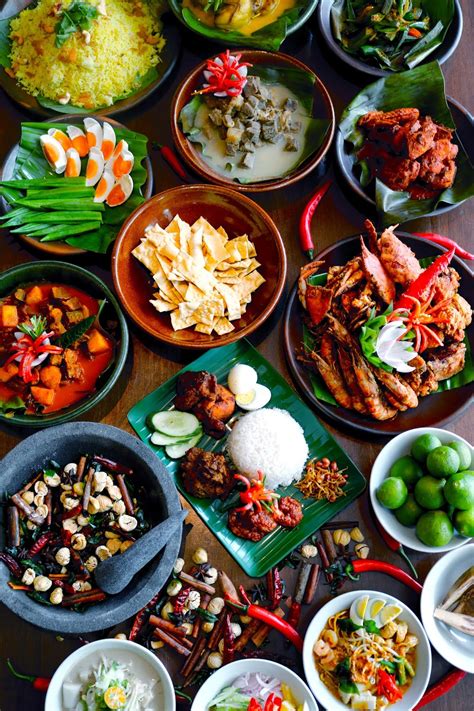
When photographing the food itself, consider natural lighting. Step outside if necessary, or find a well-lit spot near a window. Focus on details: the texture of a freshly baked pastry, the vibrant colors of a street-side curry, the steam rising from a bowl of soup. Don’t be afraid to get close to highlight the craftsmanship and freshness of the ingredients. A quick note about the dish’s name, key ingredients, and the exact location (with GPS coordinates if possible) will be invaluable later.
Capturing the Human Element and Local Interaction
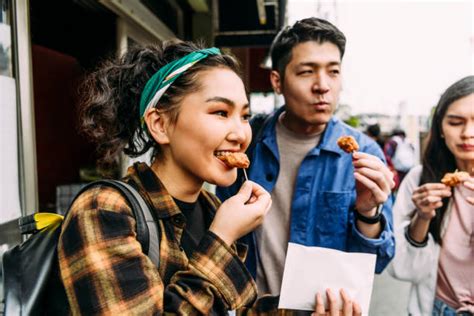
Authentic food experiences are often intertwined with the people who prepare and serve them. If appropriate and respectful, try to capture the faces behind the flavors. A photograph of the chef skillfully preparing a dish, or a vendor smiling proudly beside their stall, adds immense depth to your documentation. These visual narratives connect the food to its origin and the hands that create it. A simple nod or a polite request can often open the door to these more intimate captures, enriching your story significantly.
Beyond photography, consider short video clips. A few seconds of sizzling food on a grill, the rhythmic pounding of spices, or the chatter of the market can convey the sensory experience in a way still images cannot. Remember to be discreet and respectful of privacy, always asking for permission if you’re focusing on individuals. Documenting the process, from preparation to presentation, provides a richer understanding of the culinary tradition.
Leveraging Digital Tools for Enhanced Discovery and Sharing
While traditional observation is key, modern tools can significantly enhance both discovery and documentation. Apps like Google Maps allow you to search for local restaurants and then visually “walk” the streets using Street View to scout potential spots before you even arrive. Look for areas with high concentrations of small, independent eateries rather than large chains. Local food blogs and Instagram accounts (search for hashtags in the local language) can also offer visual clues and recommendations from genuine food enthusiasts.

When documenting, specialized food photography apps can help with editing and organizing your culinary journey. Sharing your visual discoveries on platforms like Instagram or a personal blog not only preserves your memories but also helps fellow food adventurers. Use descriptive captions and relevant hashtags to make your finds discoverable, contributing to a global network of authentic food lovers. This digital trail becomes a valuable resource for others seeking genuine tastes.
The Reward: A Feast for All Senses
Visually discovering and meticulously documenting authentic local eats transforms a simple meal into an unforgettable adventure. It’s a journey that sharpens your observational skills, hones your photographic eye, and deepens your appreciation for global cultures. Each documented dish becomes a delicious memory, a story told through images and notes, inviting you and others to savor the true flavors of the world. Embrace the visual clues, engage with the local scene, and let your senses guide you to the heart of a region’s cuisine.