How do you visually identify authentic local food spots to avoid tourist traps?

Decoding the Local Culinary Scene
Embarking on a culinary adventure in a new city or country is one of the most exciting aspects of travel. However, the fear of falling into an overpriced tourist trap serving mediocre food can deter even the most adventurous eater. The good news is that with a keen eye and a few strategic observations, you can train yourself to visually identify those hidden gems where locals truly dine. These authentic spots offer not just a meal, but a genuine taste of culture and tradition.
Avoiding the shiny, often centrally located establishments that cater explicitly to visitors means looking beyond the obvious. It means understanding the subtle visual cues that signal authenticity versus artificiality. Let’s delve into how you can become a pro at spotting these genuine culinary havens.

Observe the Clientele: Who’s Eating There?
Perhaps the most telling visual cue is the composition of the crowd inside the establishment. When you peer into a restaurant, ask yourself: who are the diners?
- Predominantly Locals: If the majority of patrons appear to be locals – speaking the local language, dressed in everyday attire, and perhaps engaging in familiar social rituals – you’re likely onto a winner. Look for families, groups of friends, or business people.
- Absence of Guidebooks and Cameras: Authentic spots are typically not frequented by large groups consulting guidebooks, speaking loudly in foreign languages, or constantly snapping photos of every dish. Locals simply enjoy their meal.
- Consistent Foot Traffic: A truly popular local spot will have a steady stream of customers, often even during off-peak hours for tourists. Locals know when to go for the best experience.
The Exterior and Interior Vibe: Modest Charm Over Glitz
Tourist traps often invest heavily in flashy, eye-catching exteriors and overly themed interiors designed to attract foreigners. Authentic local spots, conversely, often possess a more understated, functional charm.
- Modest Facades: Look for unassuming storefronts, sometimes with simple or faded signage. They rely on reputation and repeat local business, not aggressive marketing.
- Functional and Simple Decor: The interior might be clean but not necessarily polished or luxurious. Practical tables and chairs, perhaps some local art or family photos, but nothing overly theatrical.
- Lack of Multi-Language Menus on Display: While some authentic places might have English menus inside, a prominent display of glossy, multi-language menus (especially with photos of generic dishes) outside is a red flag.
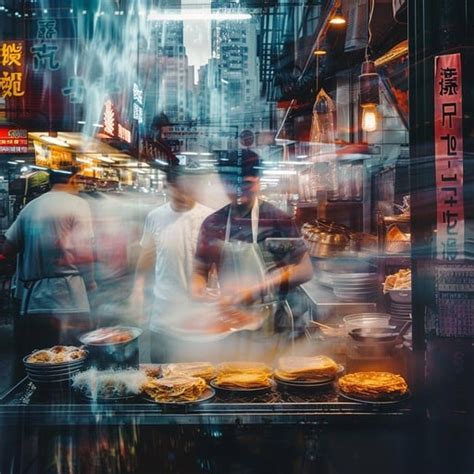
- Open Kitchens or Visible Preparation: In many cultures, seeing the chefs at work or food being prepared fresh can be a sign of quality and transparency.
Menu and Offerings: Focus on Freshness and Local Fare
The menu itself provides a wealth of visual information. An authentic local spot’s menu often tells a story of tradition, seasonality, and local preference.
- Short, Focused Menus: A very extensive menu attempting to offer ‘something for everyone’ can indicate a tourist trap. Authentic places often specialize in a smaller number of dishes, perfecting them over time.
- Local Language Dominance: While an English translation might be available upon request, the primary menu will be in the local language, possibly with handwritten daily specials.
- Seasonal and Locally Sourced Ingredients: If the menu changes seasonally or features specific regional ingredients, it’s a good sign that the establishment prioritizes freshness and local produce.
- Lack of Generic International Options: If a restaurant in Rome is offering hamburgers, pizza, and pasta all on one menu, it’s catering to a broad, often undiscriminating, tourist palate rather than local specialties.

The Sights, Sounds, and Smells: Engaging Your Senses
Beyond what you see on the surface, your other senses can offer profound clues about authenticity.
- Inviting Aromas: The unmistakable smell of fresh cooking, spices, and sizzling ingredients wafting from a kitchen or dining area is a strong indicator of good food. Tourist traps sometimes lack a distinct culinary aroma, or it might smell stale.
- Lively Local Chatter: The sounds of conversations in the local language, clinking dishes, and perhaps some background music popular with locals create an authentic atmosphere.
- Food Appearance: Observe the dishes being served to others. Does the food look fresh, vibrant, and homemade? Are the portions appropriate, and does it look appetizing?
Practical Tips for Confirmation
While visual cues are paramount, combining them with a few practical confirmations can solidify your choice:
- Look for Local Certifications: Some countries or regions have plaques or stickers indicating local culinary awards, heritage status, or use of local produce.
- Observe Payment Methods: While not always definitive, some truly local, smaller establishments might be cash-only, or predominantly use local payment apps rather than catering to international credit cards with multiple terminals.
- Acknowledge the Price Point: Authentic local eateries are often more reasonably priced than their tourist-trap counterparts, offering better value for money.

Embrace the Hunt for Culinary Gold
Becoming adept at visually identifying authentic local food spots is a skill that enriches any travel experience. It transforms dining from a mere necessity into an exciting treasure hunt, leading you to memorable meals and deeper cultural immersion. Trust your instincts, pay attention to the subtle cues, and don’t be afraid to venture a little off the main thoroughfare. The most delicious and authentic experiences often lie where the locals lead, hidden in plain sight from the average tourist.