How do you visually spot authentic, local foodie gems off the beaten path?

Embarking on a culinary adventure often means going beyond the glossy tourist brochures and venturing into the heart of a destination’s true gastronomic scene. The real magic happens when you stumble upon those unassuming, family-run eateries where locals flock, savoring generations-old recipes. But how do you find these hidden gems without a local guide or an extensive online search? The answer lies in sharpening your visual perception and understanding the subtle signs of authenticity.
Observe the Crowd: Locals Know Best
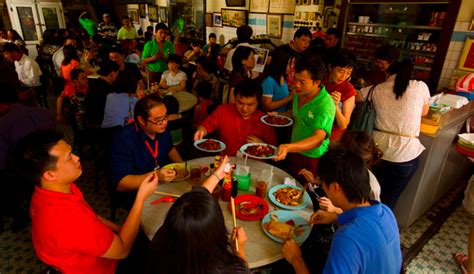
The most telling visual cue is often the clientele. A restaurant packed with locals, especially during peak dining hours, is a strong indicator that you’ve hit gold. Look for families, groups of friends, and even solo diners who appear to be part of the community, comfortably chatting in the local language. If you see very few tourists or people leafing through guidebooks, you’re likely on the right track. Locals don’t waste their money on mediocre food, so their presence is a powerful endorsement of quality and authenticity.
Scrutinize the Exterior: Humble Charm
Authentic local eateries often don’t bother with flashy signs or extravagant decor. Instead, they might feature worn-out facades, hand-painted signs (perhaps only in the local language), or even appear a bit rundown. Don’t be deterred by a lack of polished presentation; sometimes, the shabbiest exterior hides the most delicious treasures. Look for signs of longevity: old family photographs on the wall, a perpetually open door inviting patrons, or a simple, functional setup that prioritizes the food itself over aesthetics. A queue forming outside, regardless of the establishment’s look, is another undeniable positive sign.
The Menu Tells a Story: Simplicity & Specialization
Once you get closer, glance at the menu – if one is even readily available. A short, focused menu that highlights a few specialty dishes rather than offering an overwhelming array of options is a good sign. This often indicates mastery in those specific dishes. If the menu is primarily in the local language with minimal or no English translations, that further cements its local appeal. Handwritten daily specials, seasonal ingredients, or dishes you’ve never heard of before are all green flags pointing towards an authentic, localized culinary experience.

Inside Out: Kitchen & Ambiance
If possible, peek inside. An open kitchen or one where you can glimpse the chefs at work, perhaps even seeing fresh ingredients being prepared, speaks volumes about transparency and freshness. The ambiance itself often reflects authenticity: it might be bustling and noisy with lively local chatter, or quietly intimate. Basic, functional seating, well-used tables, and a general air of a place well-loved and frequented by regulars are all visual cues to pay attention to. The smell emanating from the kitchen is also a powerful, albeit non-visual, indicator of deliciousness brewing.

The Plate Itself: Rustic Authenticity
Finally, observe the food being served to other diners. Authentic local food often prioritizes flavor and substance over elaborate, fine-dining presentations. You might see generous, rustic portions, dishes served in traditional cookware, or ingredients that are clearly fresh and minimally processed. The colors should look natural, the textures inviting, and the overall impression should be one of wholesome, home-style cooking rather than artistic flair. If the food looks humble yet mouth-watering, you’re likely in for a treat.

By tuning into these visual cues – the people, the place, the menu, and the food itself – you can develop an intuitive sense for spotting those truly authentic, off-the-beaten-path foodie gems. Trust your instincts, be adventurous, and prepare to discover the true flavors of your destination.