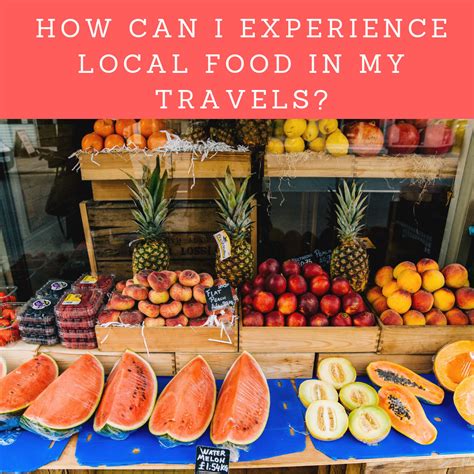
How do you visually spot truly authentic local food adventures?

The Quest for Genuine Flavors
For many travelers, the ultimate culinary goal is to find those hidden gems where locals truly eat. These are the places that offer an authentic taste of a region’s culture, far removed from tourist traps. But how do you visually distinguish the genuine article from a cleverly disguised imitation? It’s all about sharpening your observational skills and knowing what visual cues to look for.
The Buzz of Locals: Your First Visual Cue
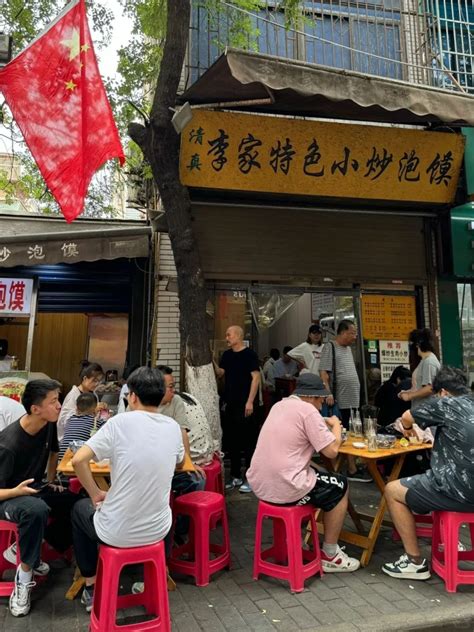
The most straightforward visual indicator of an authentic eatery is the crowd it attracts. Look for establishments packed with local residents, not just a smattering of tourists. Pay attention to the language being spoken, the attire of the patrons, and their general demeanor. If the place is bustling, noisy, and full of people who seem to know the routine, you’re likely on the right track. Locals will often queue patiently for good food, so a line can be a very positive sign, especially if it includes families and older generations.
Unpolished Charm: The Aesthetics of Authenticity
Authentic local food spots often prioritize substance over style. Visually, this translates to an unpretentious, sometimes even humble, aesthetic. Don’t be swayed by gleaming facades or overly polished decor. Instead, seek out places that feel lived-in, perhaps with mismatched furniture, simple signage, or decor that seems to have evolved organically over decades. The focus should visibly be on the food and the cooking process, not on creating an ‘Instagrammable’ backdrop. A kitchen that is visible and appears busy, albeit chaotic, can also be a good sign of constant, fresh preparation.
The Menu Speaks Volumes: Simplicity and Specificity
Take a moment to visually scan the menu. A truly authentic local establishment often features a concise, focused menu that highlights seasonal or regional specialties. Look for menus that are primarily in the local language, perhaps with a smaller, less prominent English translation. Handwritten menus, daily specials boards, or menus that show wear and tear can be excellent visual indicators of a place that prioritizes fresh, changing offerings over a static, tourist-friendly list. The specificity of dishes – focusing on one type of cuisine or even just a few signature dishes – often signals expertise and authenticity.
Kitchens and Ingredients: Transparency in Preparation
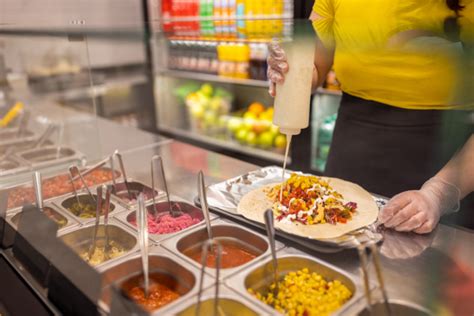
If you can catch a glimpse into the kitchen or food preparation area, observe the ingredients. Are they fresh, vibrant, and locally sourced? Do you see traditional cooking methods being employed? For instance, observing a chef meticulously kneading dough, tending to a charcoal grill, or chopping fresh vegetables can be a powerful visual cue. In many cultures, the transparency of the cooking process is a hallmark of authenticity, allowing patrons to see the quality and care put into their meal.

The Food Itself: Visual Clues on the Plate
Once the food arrives, visually assess its presentation. Authentic local dishes often prioritize flavor and tradition over elaborate, fine-dining plating. Expect rustic, hearty portions that might not be perfectly symmetrical but look wholesome and inviting. Look for colors, textures, and ingredients that are characteristic of the region. If a dish looks like something a local would eat at home, or if it evokes a sense of culinary heritage, you’re likely experiencing something authentic. Pay attention to the freshness of garnishes and the vibrant appearance of primary ingredients.

Beyond the Plate: Ambiance and Interaction
Beyond the food, the overall visual ambiance of the place can confirm its authenticity. Is there a lively chatter? Are people sharing tables or interacting freely? Does the staff seem focused on serving the food efficiently rather than on elaborate, tourist-centric customer service? These subtle visual cues paint a picture of a place integrated into the local community, where the food speaks for itself. The presence of local newspapers, specific local beverages, or traditional music can also add to the visual tapestry of authenticity.
Trust Your Gut (and Eyes): A Synthesis of Sights
Ultimately, spotting authentic local food is a holistic visual process. It’s about synthesizing all these observations – the crowds, the decor, the menu, the ingredients, the preparation, and the overall atmosphere – to form an informed decision. Don’t be afraid to wander off the beaten path and trust your instincts. Sometimes the best discoveries are made in the least expected places, guided by the visual signals of genuine local life.

Embark on Your Culinary Expedition
By honing your visual detection skills, you can unlock genuine culinary treasures and transform your travel into a truly authentic food adventure. These visual cues serve as your compass, guiding you away from the ersatz and towards the heart of local culture, one delicious, authentic meal at a time.