How to achieve magazine-worthy plating for everyday meals?

Elevate Your Everyday Dining Experience
Transforming your regular meals into visually stunning plates isn’t just for professional chefs or special occasions. With a few simple techniques and a keen eye for aesthetics, you can achieve magazine-worthy plating right in your own kitchen, making everyday dining feel like a gourmet experience. Good plating enhances the dining experience, stimulating not just taste but also sight, truly making you eat with your eyes first. It can even make healthy food more appealing and encourage mindful eating.
Start with the Right Canvas: Your Plate
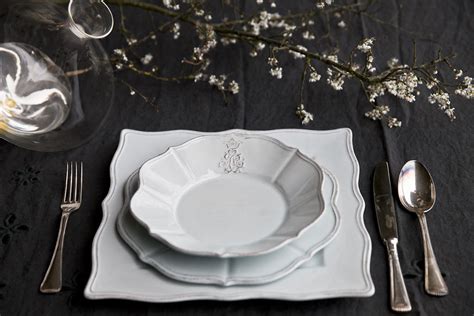
The plate itself is your canvas. Choosing the right one can make a significant difference. Generally, white or neutral-colored plates allow the food’s colors to stand out. Consider the size and shape: smaller plates can make portions appear more substantial, while larger plates offer more room for creative arrangement. Round plates are classic, but square or rectangular plates can add a modern touch. Don’t overcrowd your plate; leaving some empty space around the food helps highlight your culinary creation and makes it look more elegant.
Play with Color, Contrast, and Texture
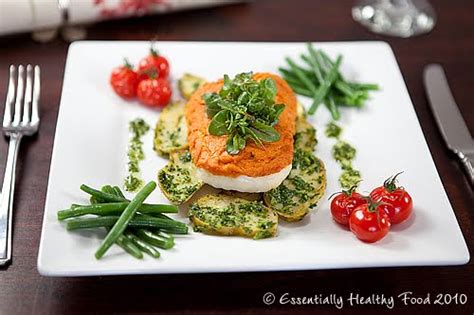
Think about the colors and textures on your plate. A visually appealing dish often has a balance of vibrant colors and varying textures. If your main ingredient is monochromatic, add contrasting colors through vegetables, sauces, or garnishes. For instance, bright green herbs against a creamy white pasta, or a splash of red sauce on a brown-toned protein. Textures are equally important; combine soft elements with crunchy ones for an interesting mouthfeel and visual appeal. A crispy topping on a smooth puree, or fresh greens next to a seared steak, creates dynamic contrast.
Build Height and Dimension
Flat food can look uninspired. Introduce height to your dishes to create visual interest and a professional look. You can achieve this by stacking components (like layers of lasagna or alternating slices of meat and vegetables), leaning ingredients against each other, or placing a central item on a bed of greens or a puree. Using molds or ring forms can also help in creating perfectly stacked elements. Remember to build upwards rather than outwards, giving your dish a more dynamic profile.

Master the Art of Arrangement: Rules of Odds and Flow
When arranging food, consider the “rule of odds.” Elements arranged in odd numbers (e.g., three asparagus spears, five shrimp) tend to be more visually appealing and natural than even numbers. Also, think about creating a sense of flow or movement on the plate. Imagine an invisible line or arc that guides the eye across the dish. Place your main protein as the focal point, often slightly off-center, and arrange accompanying elements around it in a balanced, harmonious way. Avoid perfectly symmetrical arrangements, as they can sometimes look stiff; aim for an appealing asymmetry.
Garnishes: The Finishing Touch
Garnishes aren’t just for decoration; they should complement the dish in flavor and texture. A sprig of fresh herbs, a drizzle of balsamic glaze, a sprinkle of toasted nuts, or a swirl of sauce can add that final touch of elegance. Use garnishes sparingly and intentionally; too many can make the plate look cluttered. Ensure your garnishes are fresh, neatly trimmed, and relevant to the dish’s overall profile. Think of them as the jewelry that completes an outfit.

Keep it Clean and Simple
Perhaps the most crucial rule for elegant plating is cleanliness. Before serving, wipe the rim of the plate with a clean cloth or paper towel to remove any drips, smudges, or fingerprints. A clean plate instantly elevates the presentation. Furthermore, remember that often, less is more. Don’t feel the need to use every plating trick on every dish. Sometimes, a beautifully cooked piece of fish with a simple sauce and a vibrant side vegetable is all it takes to create a stunning, magazine-worthy plate.

Practice Makes Perfect
Achieving magazine-worthy plating is a skill that improves with practice. Start by focusing on one or two techniques per meal, such as adding height or using a garnish. Take photos of your plated dishes to evaluate what works and what doesn’t. Soon, these techniques will become second nature, and you’ll find joy in transforming your everyday meals into culinary masterpieces that delight both the eyes and the palate.