How to achieve perfect texture and vibrant color in roasted veggies for photos?
The Quest for Visually Stunning Roasted Veggies
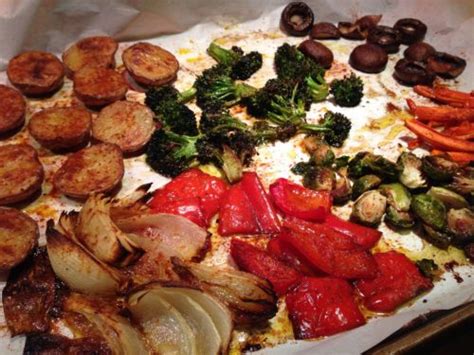
Roasted vegetables are a staple for their flavor and versatility, but capturing their beauty in photographs requires a deliberate approach to both cooking and presentation. The goal is to achieve that coveted golden-brown caramelization, tender-crisp texture, and colors that pop off the plate. This guide will walk you through the essential steps to make your roasted veggies not just delicious, but truly photogenic.

Choosing and Preparing Your Produce
The foundation of great roasted vegetables begins long before they hit the oven. Freshness is paramount. Opt for firm, blemish-free vegetables with vibrant natural colors. Wilted or bruised produce will never achieve the same visual appeal or texture.
Uniformity is Key
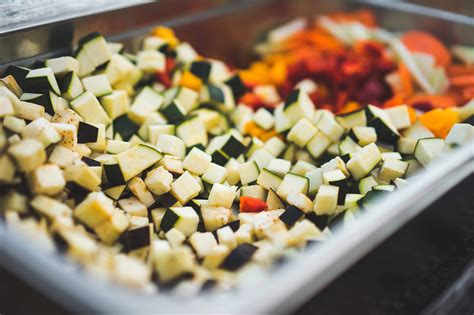
Once selected, proper cutting is crucial for even cooking and a consistent look. Cut your vegetables into roughly uniform sizes and shapes. This ensures they cook at the same rate, preventing some pieces from burning while others remain raw. For root vegetables like carrots and potatoes, aim for 1-inch pieces or wedges. Softer vegetables like bell peppers or zucchini can be slightly larger.
The Golden Rule: Dry Your Veggies!
This step cannot be overstressed. After washing, thoroughly dry your vegetables. Excess moisture on the surface will steam rather than roast, preventing proper caramelization and creating a soggy texture. Use a salad spinner or paper towels to ensure they are as dry as possible before adding oil and seasoning.
Oil, Seasoning, and Temperature Tactics
The Right Oil and Amount
A high-smoke-point oil like avocado, grapeseed, or light olive oil is ideal. Drizzle just enough to lightly coat the vegetables, but avoid drowning them. Too much oil will fry instead of roast and can make them greasy. A general rule is 1-2 tablespoons per pound of vegetables.
Seasoning for Flavor and Visual Appeal
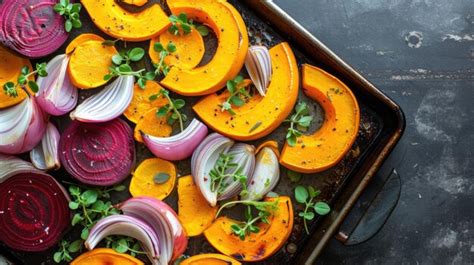
Beyond salt and pepper, consider herbs that complement the vegetables and add visual interest. Fresh rosemary, thyme, or oregano scattered among the veggies can look fantastic. Spices like paprika or turmeric can enhance color, but be mindful of their potential to stain if used excessively.
High Heat is Your Friend
For perfectly crisp, caramelized exteriors, a high oven temperature is essential. Preheat your oven to 400°F (200°C) or even 425°F (220°C). A hot oven ensures the sugars in the vegetables caramelize quickly, creating that desirable golden-brown crust and sweet flavor.
The Art of the Single Layer
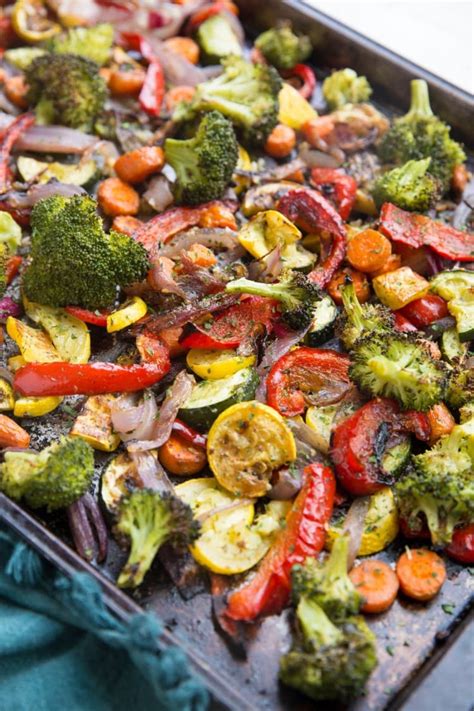
Do not overcrowd your baking sheet! This is another critical factor for achieving perfect texture and color. When vegetables are packed too closely, they release moisture, creating steam and inhibiting browning. Use multiple baking sheets if necessary, ensuring each piece has enough space to breathe and directly contact the hot surface. This direct contact is what creates those beautifully browned, crispy edges.

Roasting Techniques and Finishing Touches
Flip or Don’t Flip?
While some recipes suggest flipping vegetables halfway through, for maximum browning on one side, you might choose to roast undisturbed until perfectly caramelized on the bottom. If you prefer more even browning, a single flip can be beneficial. Monitor closely to prevent burning.
Knowing When They’re Done
Vegetables are done when they are tender when pierced with a fork, have beautifully browned and slightly crispy edges, and their colors are intensified. Over-roasting can lead to dull colors and a mushy texture, so keep a close eye on them, especially towards the end of cooking.
Garnish for Impact
Just before serving and photographing, consider a fresh garnish. A sprinkle of fresh parsley, cilantro, or a drizzle of balsamic glaze or lemon juice can add a final pop of color and brightness, making your dish truly photo-ready.
Conclusion
Achieving perfectly textured and vibrantly colored roasted vegetables for your food photography is a blend of science and art. By paying meticulous attention to preparation, understanding the role of heat and space, and adding thoughtful finishing touches, you can transform simple vegetables into culinary masterpieces that are as delightful to the eye as they are to the palate. Practice these techniques, and your roasted veggie photos will surely stand out!