How to achieve picture-perfect plating & vibrant colors in recipes?

Food isn’t just about taste; it’s a feast for the eyes first. The visual appeal of a dish can significantly enhance the dining experience, making it more appetizing and memorable. Achieving picture-perfect plating and vibrant colors isn’t just for professional chefs; with a few techniques, home cooks can also transform their meals into culinary masterpieces. This guide will walk you through the essential steps to make your dishes truly stand out.
The Fundamentals of Picture-Perfect Plating
Plating is an art form that transforms ingredients into a visual story. It’s about balance, composition, and intention.
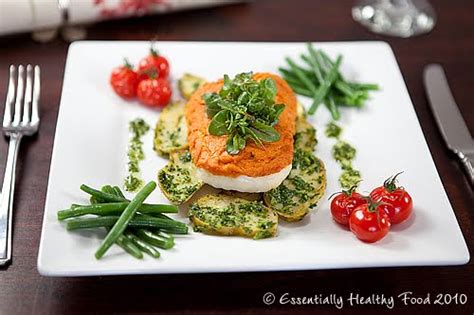
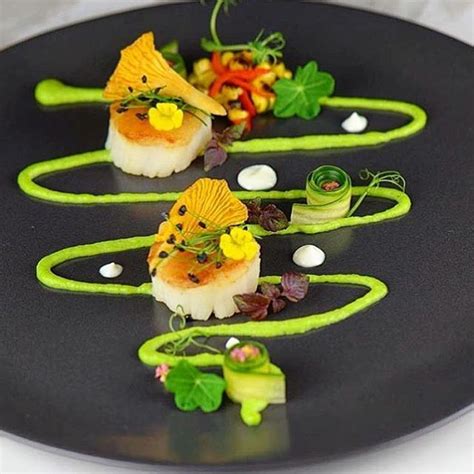
- Composition and Flow: Think about the ‘rule of thirds’ or arranging elements in odd numbers for visual interest. Create a focal point and guide the diner’s eye across the plate. Consider negative space; an overcrowded plate looks messy.
- Height and Texture: Add dimension by building up ingredients rather than spreading them flat. Think about contrasting textures – crispy against soft, smooth against chunky – to engage multiple senses.
- Cleanliness is Key: Always wipe the rim of your plate clean before serving. Stray drips or smudges can ruin an otherwise perfect presentation.
- Garnishes: Use garnishes purposefully. They should add to the flavor profile and visual appeal, not just be an afterthought. Fresh herbs, a sprinkle of spice, or a drizzle of sauce can make a huge difference.
Mastering Vibrant Colors in Your Dishes
Color is perhaps the most immediate indicator of freshness, flavor, and health. Keeping ingredients vibrant during the cooking process is crucial for eye-catching meals.
- Start with Fresh, High-Quality Ingredients: The vibrancy begins with what you buy. Opt for produce that is brightly colored, firm, and free from blemishes. Overripe or wilting vegetables will never achieve a dazzling hue.
- Strategic Cooking Techniques:
- Blanching: For green vegetables like broccoli, asparagus, or green beans, a quick blanch in boiling salted water followed by an ice bath locks in their bright color and crisp texture.
- Steaming: Gentle steaming helps retain nutrients and color better than prolonged boiling.
- Roasting: High-heat roasting can caramelize natural sugars, deepening colors and adding rich flavor to vegetables like carrots, bell peppers, and sweet potatoes. Avoid overcooking, which can dull colors.
- Acids and Color: A squeeze of lemon juice or a splash of vinegar added at the end of cooking can brighten colors, especially in vegetables and sauces, by preserving their natural pigments.
- Natural Color Enhancers: Consider ingredients like turmeric for yellows, paprika for reds, spirulina for greens, or beet powder for vibrant purples. Use them sparingly to enhance, not overpower.

Tools and Tips for Culinary Aesthetics
Having the right tools and adopting certain habits can significantly elevate your plating game.
- Essential Tools: Invest in good quality plating spoons, squeeze bottles for sauces, and maybe even a pair of culinary tweezers for precise placement of small garnishes.
- Consider Your Plateware: The plate itself is your canvas. White plates often make colors pop, but don’t be afraid to experiment with other neutral tones or textures that complement your dish. Choose appropriate sizes – too small looks crowded, too large looks sparse.
- Practice Makes Perfect: Like any skill, plating improves with practice. Start with simple arrangements and gradually experiment with more complex designs. Take photos of your dishes to review and learn from.
- Lighting is Your Friend: For vibrant photos, natural indirect light is always best. Avoid harsh overhead lights which can create unflattering shadows.

Common Mistakes to Avoid
Even with the best intentions, certain pitfalls can detract from your dish’s visual appeal.
- Overcrowding the Plate: Less is often more. Give your ingredients room to breathe and shine.
- Inconsistent Cuts: Unevenly cut vegetables or proteins can look sloppy and cook inconsistently. Aim for uniformity.
- Forgetting Temperature: While aesthetics are important, ensure your food is served at the correct temperature. A beautifully plated but cold meal loses its appeal.
- Neglecting the Sauce: Sauces can tie a dish together, but apply them artfully – a drizzle, a swipe, or a dot, rather than a drowning pool.

Conclusion: Elevate Every Meal
Achieving picture-perfect plating and vibrant colors in your recipes is a journey of creativity and attention to detail. By understanding the principles of composition, leveraging strategic cooking techniques, and focusing on ingredient quality, you can transform everyday meals into extraordinary culinary experiences. Don’t be afraid to experiment, have fun, and let your passion for food shine through in every beautifully presented dish.