How to achieve professional plating for home dishes, matching food visual feeds?
Elevating your home-cooked meals from delicious to visually stunning is a rewarding skill that can transform everyday dining into a gourmet experience, especially in the age of sharing food visuals online. Professional plating isn’t just for Michelin-starred restaurants; with a few simple techniques and a keen eye for aesthetics, you can make your dishes look as good as they taste, ready for any ‘food visual feed.’
The Fundamentals of Plating
Before diving into specific techniques, understanding the basic principles of presentation is crucial. Think of your plate as a canvas and your food as the art. The goal is to create balance, contrast, and visual interest.
Choose the Right Canvas
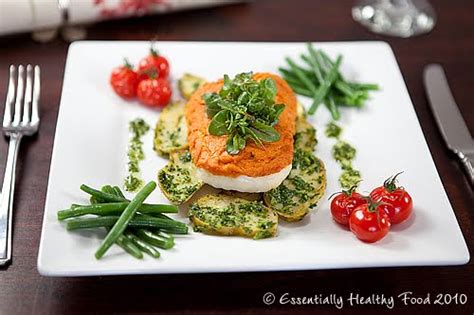
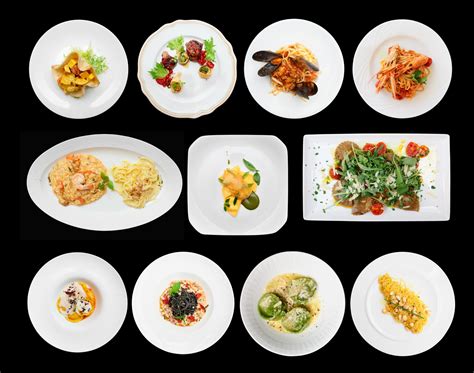
The plate itself plays a significant role. Opt for simple, solid-colored plates (white and black are classics) that allow the food to stand out. Consider the size – don’t overcrowd a small plate, but also don’t let a small portion get lost on a large one. Different shapes (round, square, rectangular) can also influence the overall composition.
Composition and Focal Points
Many chefs employ principles like the “rule of thirds” or asymmetry to guide placement. Instead of piling everything in the center, try creating a focal point and arranging other elements around it. Consider odd numbers (e.g., three asparagus spears instead of four) as they tend to be more aesthetically pleasing. Creating height is another powerful technique; stack components or lean them against each other to add dimension and prevent a flat appearance.
Key Elements and Their Placement
Each component of your dish contributes to the final look. Understanding how to present each one will dramatically improve your plating.
Proteins: The Star of the Show
Often, your protein (meat, fish, tofu, etc.) is the star. Place it prominently, perhaps slightly off-center. Ensure it’s neatly cut and presented, showing off its best side (e.g., a perfectly seared crust). If it’s sliced, fan it out elegantly.
Starches and Vegetables: Supporting Actors
These elements provide color, texture, and balance. Use a mold or ring to create neat portions of rice, mashed potatoes, or grains. Arrange vegetables intentionally, either fanned, stacked, or scattered artfully. Think about contrasting colors and textures to make the plate pop.
Sauces and Garnishes: The Finishing Touches
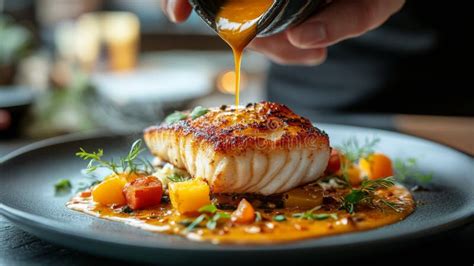
These are where you add flair and sophistication. Sauces can be drizzled, swirled, or spooned strategically. A squeeze bottle can help create delicate lines or dots. Garnishes like fresh herbs, citrus zest, edible flowers, or a sprinkle of spices add a final touch of color and freshness. Always ensure garnishes are edible and complement the dish’s flavor.
Practical Techniques for Home Cooks
You don’t need fancy tools to plate like a pro. Here are some techniques you can implement immediately:
- Keep it Clean: Always wipe the rim of your plate with a clean cloth or paper towel before serving. No smudges, no drips!
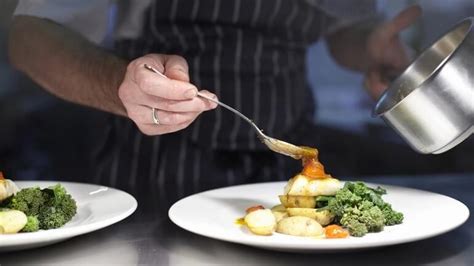
- Use Spoons for Sauces: A simple spoon can be your best friend for creating elegant swooshes or pooling sauces.
- Tongs and Tweezers: For delicate placement of small items like herbs or microgreens, tongs or even kitchen tweezers can be invaluable.
- Less is More: Don’t overload the plate. A smaller, well-composed portion often looks more appealing than a mountain of food.

Matching Food Visual Feeds
Once your dish is beautifully plated, capturing its essence for social media or personal enjoyment requires a few extra steps.
- Good Lighting is Key: Natural light is almost always best. Place your dish near a window, but avoid direct harsh sunlight.
- Simple Backgrounds: A cluttered background distracts from your food. Use a clean tablecloth, wooden board, or simple countertop.
- Experiment with Angles: Shoot from overhead for a flat lay, or get down to eye level to showcase height and dimension.
- Add Props (Sparingly): A simple fork, knife, napkin, or a complementary ingredient can enhance the scene, but don’t overdo it.
Remember, the goal is to make your food look appetizing and inviting. Practice with different dishes, observe how professional chefs plate, and don’t be afraid to experiment. Your home dishes will soon not only taste incredible but also look like they came straight from a gourmet kitchen.