How to achieve that perfect golden-brown crust shown in your recipe photos?
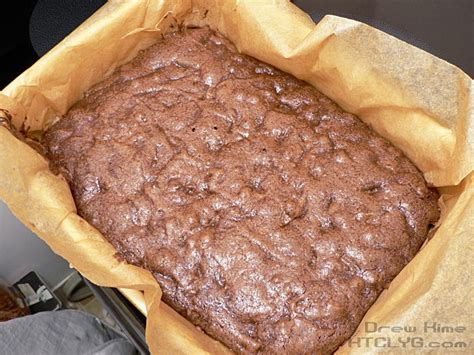
That irresistible, deeply flavorful, and beautifully colored crust is often the hallmark of a truly successful dish, whether it’s a roasted chicken, a loaf of artisan bread, or a pan of perfectly seared potatoes. It’s not just about aesthetics; a golden-brown exterior indicates a complex flavor development that elevates the entire culinary experience. Achieving it consistently, however, can feel like a culinary mystery. Fear not, as the secret lies in understanding a few fundamental scientific principles and applying some straightforward techniques.
The Science Behind the Sizzle: Maillard Reaction & Caramelization
The primary architects of that glorious golden-brown crust are two chemical reactions: the Maillard reaction and caramelization. The Maillard reaction occurs when amino acids and reducing sugars react under heat, creating hundreds of new flavor compounds and a brown pigment. This is responsible for the browning of meats, roasted vegetables, and most baked goods. Caramelization, on the other hand, is the browning of sugars alone through heat, leading to nutty, buttery, and slightly bitter flavors.
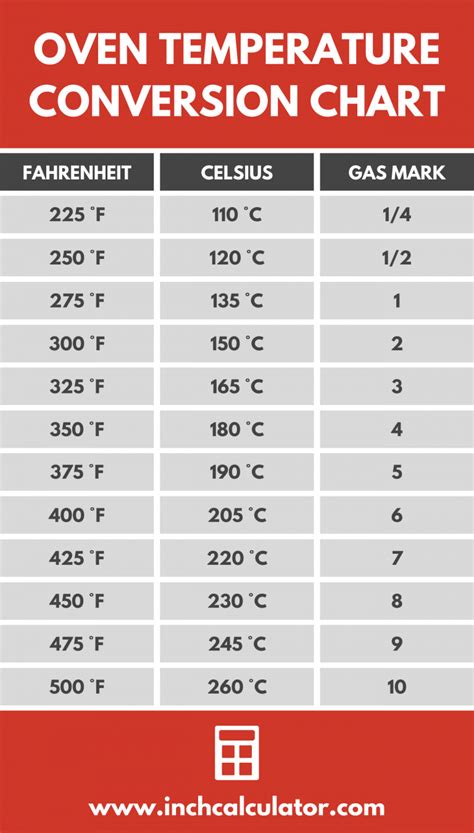
Both reactions typically kick in at temperatures above 300°F (150°C), requiring dry heat to occur effectively. Without sufficient heat and the right conditions, you’re more likely to steam your food than to brown it.
Temperature Control: The Heat is On
Achieving a golden crust often hinges on precise temperature management. Many recipes call for an initial high heat to kickstart browning, followed by a lower temperature to cook the interior evenly without burning the exterior. Ensuring your oven is accurately preheated to the specified temperature is crucial. An under-heated oven will extend cooking times, dry out your food, and prevent proper browning, while an overly hot oven can burn the surface before the inside is cooked.
Consider using an oven thermometer to verify your oven’s actual temperature. Hot spots in the oven can also lead to uneven browning, so rotating your pan halfway through cooking can help ensure an all-around even color.
Fats and Sugars: Your Browning Best Friends
Fats play a dual role in crust development. They transfer heat efficiently to the food’s surface, promoting browning, and they contribute to crispiness. Brushing items like roasted chicken, potatoes, or pastry with butter or oil before baking or roasting provides a rich medium for the Maillard reaction. Similarly, ingredients with natural sugars (like many vegetables, fruits, and certain doughs) will brown more readily due to caramelization.
Moisture Management and Surface Preparation
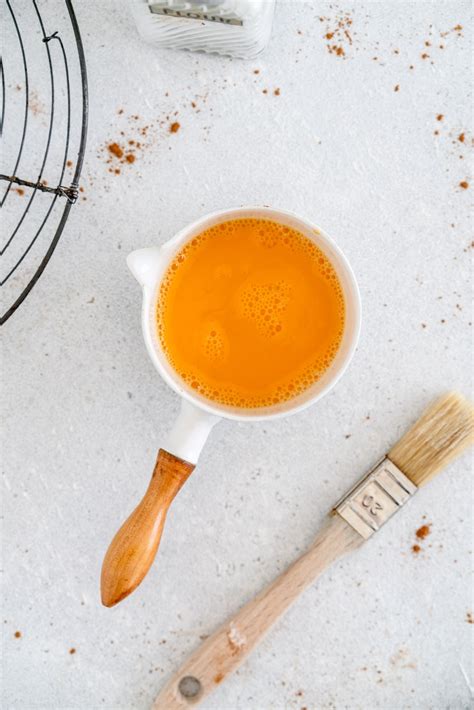
Excess surface moisture is the enemy of a golden crust because heat energy is expended evaporating water before browning can begin. For roasted meats or vegetables, patting the surface thoroughly dry with paper towels before seasoning is essential. For baked goods like bread or pastries, specific surface treatments can make all the difference:
- Egg Wash: A mixture of egg (whole, yolk, or white) and a little water or milk brushed onto dough provides proteins and sugars for intense browning and a lovely sheen.
- Milk or Cream Wash: Offers a softer, less dramatic brown than an egg wash, along with a subtle dairy flavor.
- Sugar Glazes: For sweet items, a sugar syrup or jam glaze applied towards the end of baking can create a glossy, caramelized finish.
- Basting: For meats, basting with cooking juices or melted fat during roasting keeps the surface moist enough to prevent drying but still allows for browning.
Practical Tips for a Flawless Finish
- Don’t Overcrowd: Give your food space. Overcrowding a baking sheet traps steam, preventing dry heat from reaching the surfaces, which leads to steaming instead of browning.
- Use the Right Pan: Dark metal pans absorb and conduct heat more efficiently, often resulting in darker crusts. Lighter pans or glass dishes might require slightly longer cooking times or higher temperatures.
- Flip or Turn: For items like roasted vegetables or potato wedges, flipping them periodically ensures all sides get exposed to the direct heat of the pan and oven air, promoting even browning.
- Patience is Key: Don’t rush the process. Browning takes time. If your food is cooking too quickly on the inside but not browning enough on the outside, you might need to adjust your oven temperature slightly or move the rack.
Conclusion
Achieving that picture-perfect golden-brown crust isn’t magic; it’s a combination of applied science and careful technique. By understanding the roles of the Maillard reaction, caramelization, temperature, fats, sugars, and moisture, you can consistently transform your dishes from good to gourmet. Experiment with different washes, monitor your oven, and practice these tips, and you’ll soon be creating crusts that are not only beautiful but burst with incredible flavor.