How to achieve vibrant colors in recipes for eye-catching photos?

In the age of social media, a dish isn’t truly appreciated until it’s been photographed. And what makes a food photo truly pop? Vibrant, captivating colors that leap off the screen. Achieving this isn’t just about good photography; it starts much earlier, in the kitchen. By understanding how to select, prepare, and present ingredients, you can transform ordinary dishes into dazzling culinary masterpieces that are as pleasing to the eye as they are to the palate.
The Power of Natural Hues: Smart Ingredient Selection
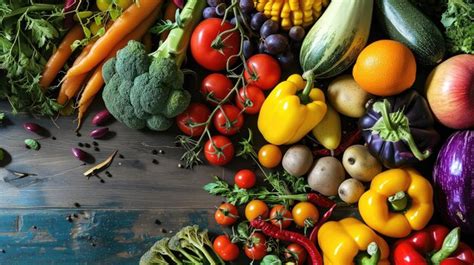
The foundation of any colorful dish lies in the quality and inherent vibrancy of its ingredients. Always opt for fresh, ripe produce. Bright red tomatoes, deep green spinach, sunny yellow bell peppers, and rich purple berries are naturally packed with pigments that translate beautifully to photos. Consider the color wheel when planning your meals; contrasting colors (like red and green) or analogous colors (like shades of orange and yellow) can create visually stunning compositions.
Don’t shy away from variety. A monochromatic dish can be elegant, but a plate showcasing a spectrum of colors—think a rainbow salad or a stir-fry brimming with diverse vegetables—is inherently more dynamic and appealing for photography. Shop seasonally for the freshest and most intensely colored produce.
Masterful Preparation Techniques to Preserve and Enhance Color
How you cook your ingredients plays a crucial role in maintaining or even intensifying their natural colors. Overcooking, especially boiling, can dull vibrant hues and make food look unappetizingly faded.
- Blanching: For green vegetables like broccoli, green beans, or asparagus, blanching is your best friend. A quick dip in boiling, salted water followed immediately by an ice bath sets their color, making them appear incredibly bright and fresh.
- Roasting: Roasting vegetables at high temperatures can caramelize their natural sugars, intensifying their color and adding a beautiful golden-brown or deeper hue to root vegetables, bell peppers, and more.
- Searing: For proteins, a good sear creates a rich, appetizing crust that adds visual depth and a professional touch.
- Avoid Overcooking: Generally, cook vegetables just until tender-crisp to retain their brightest colors and best texture.
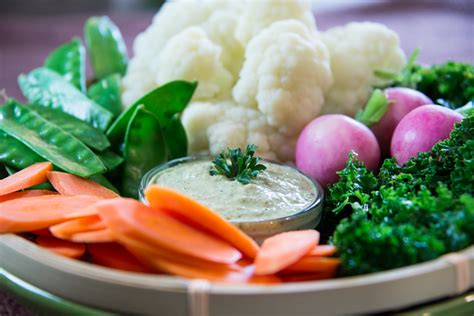
Strategic Plating and Garnishing for Maximum Impact
Once your ingredients are cooked to perfection, it’s all about presentation. Plating is an art form that directly impacts the visual appeal of your dish for photos. Consider these points:
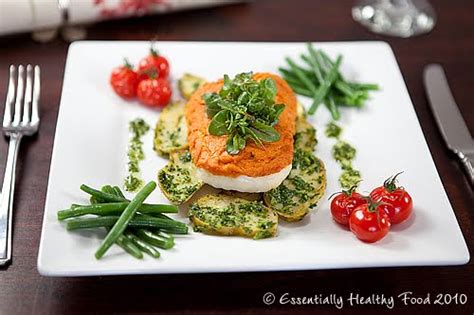
- Contrast is Key: Use a neutral background (white or dark plates work wonders) to make your food colors pop. Arrange components so that contrasting colors are adjacent.
- Layering and Height: Don’t just dump food on a plate. Create height and texture by layering ingredients. Think about how professional chefs stack components.
- Fresh Garnishes: A sprinkle of fresh herbs (parsley, cilantro, dill), a wedge of citrus, a few vibrant microgreens, or a dash of colorful spices can dramatically elevate the visual appeal. These add a touch of life and freshness that artificial garnishes cannot replicate.
- Sauces and Drizzles: A swirl of a contrasting colored sauce or a drizzle of olive oil can add shine and visual interest, drawing the eye across the plate.
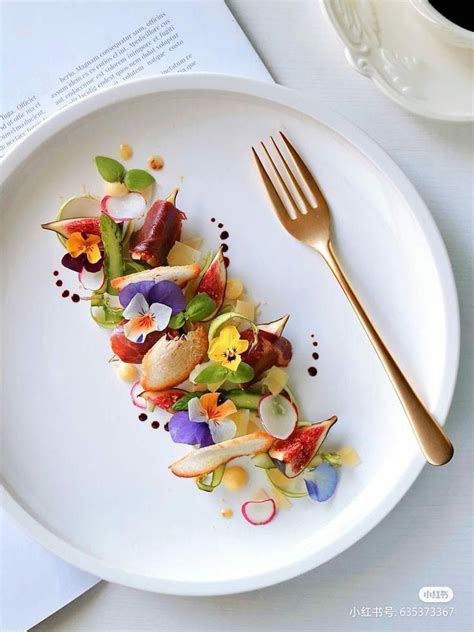
Enhancing Colors with Natural Boosters
Sometimes, a dish needs a little extra punch of color. Instead of artificial food dyes, consider natural alternatives:
- Spices: Turmeric for yellow, paprika for red-orange, saffron for golden yellow, and chili powder for deep reds can add vibrant hues while also contributing to flavor.
- Powders: Beetroot powder for pink/red, spirulina for blue/green, and matcha for vibrant green are excellent for adding natural color to smoothies, frostings, or even pasta dough.
- Acids: A squeeze of lemon juice or a splash of vinegar can sometimes brighten colors, especially in fruits and vegetables, and prevent browning.
- Berry Juices: Natural juices from berries like raspberries or blueberries can provide beautiful purples and reds for glazes or sauces.
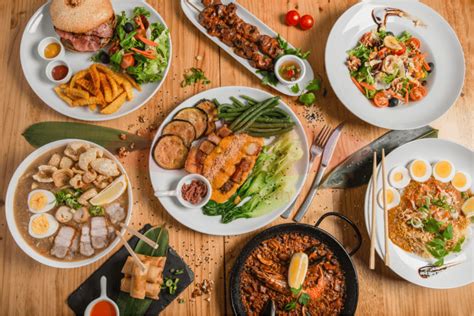
The Role of Lighting and Photography (Briefly)
While this article focuses on the culinary side, it’s worth a quick mention that even the most vibrant food needs good lighting. Natural, diffused light is almost always best for showcasing true colors. Avoid harsh direct sunlight or yellow artificial lights. A little bit of post-processing to subtly enhance saturation and contrast can also make colors pop, but remember that the goal is to make colors look natural and appealing, not artificially exaggerated.
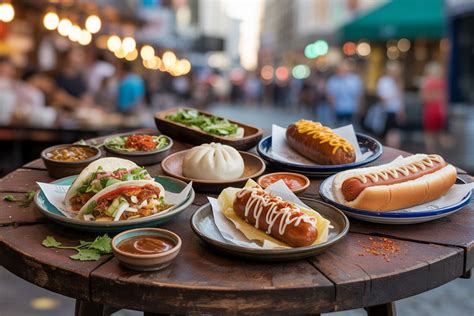
Conclusion
Achieving vibrant colors in your recipes for eye-catching photos is a journey that spans from the moment you choose your ingredients to the final garnish. By thoughtfully selecting fresh, colorful produce, employing smart cooking techniques to preserve their natural brilliance, and presenting your dishes with flair and strategic garnishes, you can consistently create food that is not only delicious but also visually irresistible. So next time you’re cooking, remember that every step is an opportunity to make your dish truly picture-perfect.