How to achieve vibrant colors & textures for stunning food visuals?
The Art of Edible Aesthetics: Elevating Your Food’s Visual Appeal
In today’s visually driven world, the presentation of food is almost as important as its taste. A dish that looks stunning can tantalize the taste buds even before the first bite, creating an unforgettable culinary experience. Achieving vibrant colors and enticing textures in your food visuals isn’t just for professional chefs or food photographers; it’s a skill anyone can cultivate. This guide will walk you through essential culinary and styling techniques to transform your everyday meals into visual masterpieces.
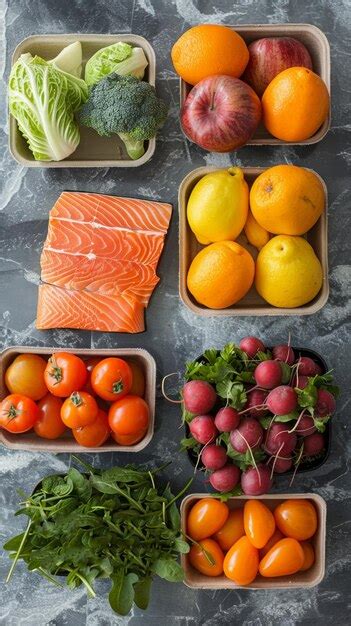
Start with Superior Ingredients: The Canvas of Your Creation
The journey to stunning food visuals begins long before you even turn on the stove. High-quality, fresh ingredients are paramount. Choose produce that is firm, unblemished, and boasts naturally rich colors. For instance, vibrant red bell peppers, deep green spinach, or sun-kissed heirloom tomatoes inherently contribute to a beautiful final dish. Proper storage and handling also play a crucial role in maintaining their natural vibrancy and integrity until cooking.
Precision in preparation also matters. Uniformly chopped vegetables cook evenly and look more appealing. Consider blanching green vegetables briefly in boiling, salted water and then shocking them in ice water to lock in their bright green hue and crisp texture.
Mastering Cooking Techniques for Enhanced Color and Texture
The way you cook your ingredients directly impacts their visual outcome. Different techniques can enhance specific characteristics:
- Searing and Roasting: For meats and certain vegetables (like Brussels sprouts or root vegetables), searing in a hot pan or roasting at high temperatures creates beautiful caramelization and a rich, golden-brown crust, adding depth and inviting texture.
- Steaming and Blanching: These methods are excellent for preserving the natural, bright colors of delicate vegetables like asparagus, broccoli, and green beans, preventing them from becoming dull or overcooked.
- Glazing: A simple glaze (e.g., balsamic reduction, honey-soy, or fruit-based) can add a beautiful sheen and intensify the color of ingredients, making them look more appetizing.
- Frying: When done correctly, shallow or deep frying can create an irresistible crispy texture and golden color, think perfectly fried chicken or golden onion rings.
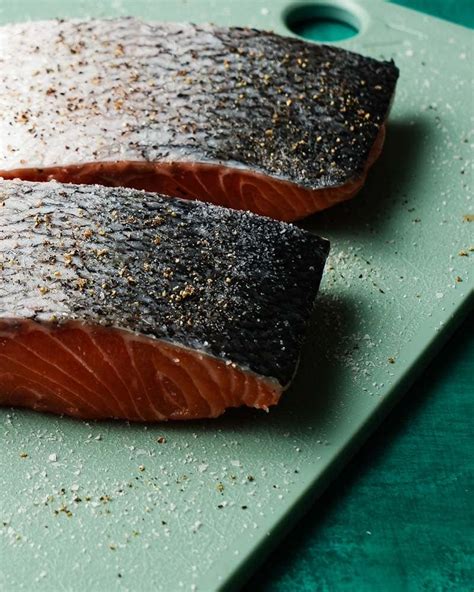
The Art of Plating: Composition and Contrast
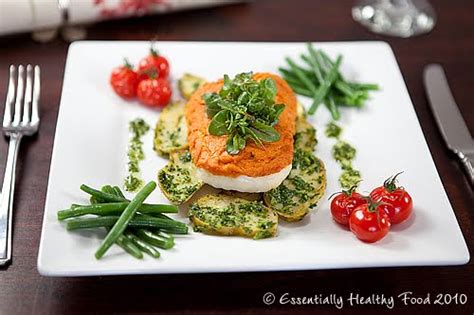
Once your ingredients are cooked to perfection, it’s time for plating. This is where you compose your edible artwork. Think about color contrast; a bright red sauce against a creamy white pasta, or vibrant green herbs against a rich brown stew. Utilize different shapes and sizes to add visual interest.
Consider height and layering to give your dish dimension. Stacking ingredients carefully or creating mounds can make the food more dynamic and appealing. Don’t overcrowd the plate; leave some negative space to highlight the beauty of the food itself.
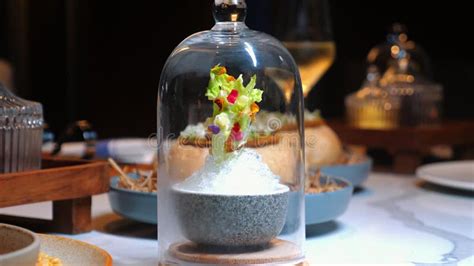
Garnish with Purpose: The Finishing Touch
Garnishes are not merely decorative; they should enhance both the flavor and visual appeal of the dish. A sprinkle of fresh, vibrant herbs (parsley, cilantro, dill), a squeeze of bright citrus zest, a few toasted nuts for crunch, or a drizzle of a contrasting sauce can elevate a dish immensely. Edible flowers can add a delicate touch of color and elegance. Always ensure your garnishes are fresh and thoughtfully placed.

Lighting and Presentation Context: Beyond the Plate
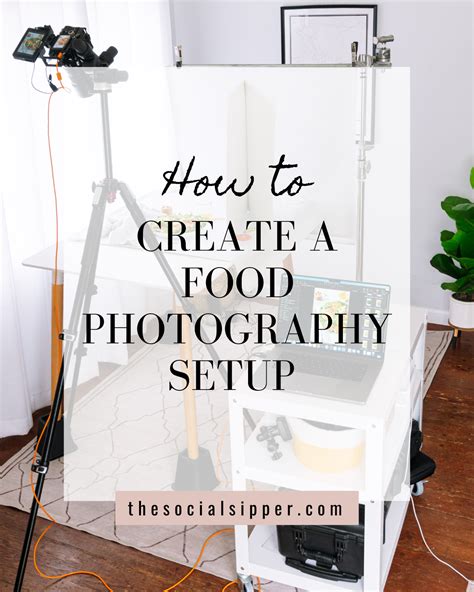
While the focus is on the food itself, the right environment can dramatically impact its visual appeal. Natural light is almost always the most flattering for food. Position your dish near a window, avoiding direct harsh sunlight, to create soft shadows and bring out the true colors and textures. A simple, uncluttered background allows the food to be the star. Experiment with different angles and perspectives to find the most appetizing view of your culinary creation.
Conclusion: Practice Makes Perfect
Achieving stunning food visuals is a journey of continuous learning and experimentation. By focusing on quality ingredients, employing suitable cooking techniques, mastering plating, and adding purposeful garnishes, you can significantly enhance the visual appeal of your dishes. Remember, every meal is an opportunity to create something beautiful. So, get creative in the kitchen, play with colors and textures, and enjoy the delicious process of making your food look as good as it tastes!