How to adapt recipes for bolder colors & richer textures?

Elevating Your Culinary Creations: A Feast for the Senses
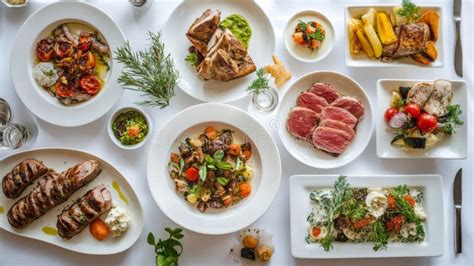
Food is not just about taste; it’s a multi-sensory experience where sight and touch play pivotal roles. A dish that looks vibrant and offers a variety of textures is inherently more appealing and satisfying. Adapting your recipes to achieve bolder colors and richer textures can elevate even the simplest meal into a culinary masterpiece. This guide explores practical techniques and ingredient choices to transform your cooking from ordinary to extraordinary.
Mastering Vibrant Hues: The Art of Color in Cooking
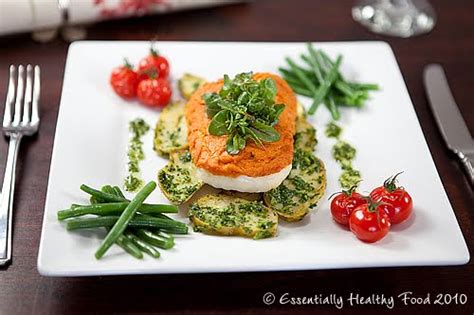
Color is the first thing we notice in food, and a plate bursting with vibrant hues immediately stimulates the appetite. Achieving bolder colors often starts with thoughtful ingredient selection. Think about incorporating naturally colorful vegetables like bell peppers, beets, carrots, and leafy greens. Roasting vegetables at high temperatures can caramelize their natural sugars, intensifying their color and sweetness, while blanching green vegetables briefly in boiling water followed by an ice bath helps them retain their bright emerald tones.
Spices are another powerful tool. Turmeric can lend a golden glow to curries and rice, paprika adds a warm red, and a pinch of saffron imbues a luxurious yellow. Even herbs, when fresh and finely chopped, can add a burst of green contrast to a finished dish. Don’t underestimate the impact of garnishes; a sprinkle of fresh cilantro, a zest of lemon, or a few pomegranate seeds can dramatically enhance visual appeal.

Crafting Complexity: Building Richer Textures
Texture provides depth and interest to a dish, offering a dynamic experience with every bite. The goal is often to create a contrast: the crunch of nuts against a creamy soup, the crisp skin of a chicken juxtaposed with its tender meat, or the chewiness of grains alongside soft roasted vegetables. Consider layering textures within your dishes.
Cooking methods significantly influence texture. Searing proteins creates a delightful crust, while braising yields incredibly tender, fall-apart results. Emulsified sauces, like hollandaise or mayonnaise, contribute a smooth, luscious mouthfeel. Incorporate crunchy elements such as toasted nuts, seeds, homemade croutons, or crispy fried onions. For chewiness, consider grains like farro or barley. Adding creamy components like avocado, Greek yogurt, or a vegetable puree can provide a smooth counterpoint.
Fats also play a crucial role in richness. A swirl of butter, a drizzle of high-quality olive oil, or a splash of heavy cream can add a velvety texture and luxurious mouthfeel, transforming a simple sauce or soup into something truly indulgent. Understanding how different fats behave and contribute to the overall texture is key to manipulating the richness of your dishes.

Ingredient Powerhouses for Color & Texture
Natural Dyes and Flavor Boosters
- Beets: For deep reds and earthy sweetness. Roast, pickle, or juice them.
- Spinach & Kale: Blanch them for vibrant green, or wilt for softer texture.
- Carrots & Sweet Potatoes: Roast for intensified orange color and caramelized texture.
- Turmeric & Paprika: Add warm hues and mild spice.
- Berries: Fresh for vibrant color and slight tartness, or reduced for rich sauces.
Texture Transformers
- Nuts & Seeds: Toasted for crunch and nutty flavor (almonds, walnuts, sesame seeds).
- Legumes: Lentils and chickpeas add a soft, starchy texture and heartiness.
- Grains: Farro, quinoa, or wild rice for chewiness and structure.
- Crispy Onions/Garlic: Deep-fried or oven-baked for a savory crunch.
- Cheese: Grated hard cheeses add sharp flavor and texture, while soft cheeses melt to create creaminess.

Balancing Act: Practical Tips for Harmonious Dishes
While the goal is to enhance, it’s essential to maintain balance. An overly colorful or texturally complex dish can sometimes be overwhelming. Consider the primary ingredients and the overall cuisine style. For instance, a rustic Italian dish might benefit from earthy, roasted tones and hearty textures, while a vibrant Asian salad might thrive on crisp, fresh elements and bright colors.
Start with small adjustments and experiment. Add one new colorful ingredient, try a different cooking method for texture, or introduce a simple garnish. Pay attention to how the changes impact the dish’s overall appeal. Tasting and adjusting throughout the cooking process is crucial, not just for flavor, but also for evaluating developing colors and textures. Remember, practice makes perfect in the culinary arts.
Conclusion
Adapting recipes for bolder colors and richer textures is a journey of creativity and sensory exploration. By consciously choosing vibrant ingredients, employing diverse cooking techniques, and understanding how to layer different textures, you can transform your everyday meals into truly memorable dining experiences. Embrace the art of culinary aesthetics and let your dishes become a feast for both the eyes and the palate.