How to adapt recipes for maximum visual impact & vibrant plating?
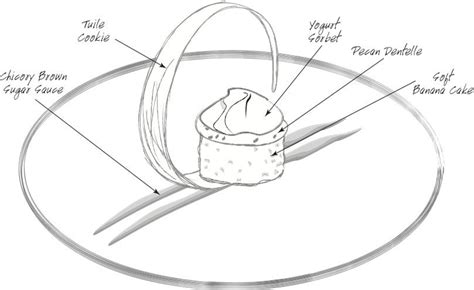
The adage “we eat with our eyes first” holds profound truth in the culinary world. While taste is paramount, a visually stunning dish elevates the dining experience from mere sustenance to an art form. Adapting recipes to maximize visual impact and achieve vibrant plating isn’t just for professional chefs; it’s a skill anyone can cultivate to impress guests, enhance enjoyment, and even make healthy eating more appealing.
Understanding the Pillars of Visual Appeal
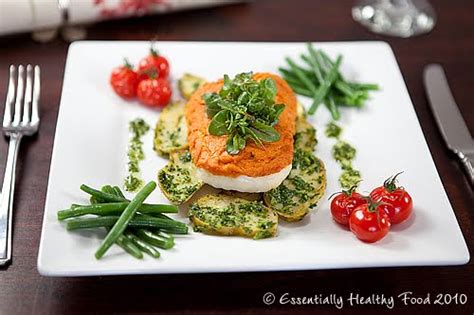
- Color Contrast and Balance: The most immediate visual cue. Think about complementary colors (red and green, purple and yellow) or contrasting shades of the same color. Avoid monochromatic dishes unless intentionally designed with varied textures.
- Texture Variation: A plate shouldn’t be uniformly soft or crunchy. Introduce a mix of textures – creamy, crispy, smooth, coarse – to add interest and depth.
- Shape and Form: Cut ingredients into different shapes. Utilize both natural forms and precise cuts to create visual rhythm. Round elements, angular cuts, and irregular shapes all play a role.
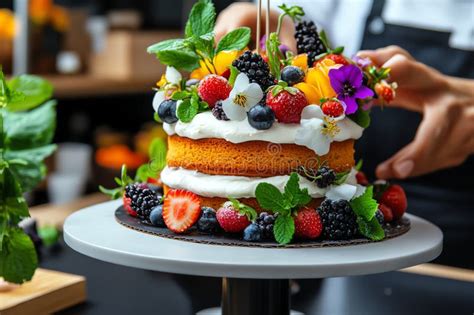
- Height and Dimension: Flat plates are less engaging. Build upwards, creating layers and varying heights to give the dish a more dynamic and inviting presence.
- Garnishes and Finishing Touches: Often an afterthought, but crucial for adding a final pop of color, freshness, or an aromatic element.
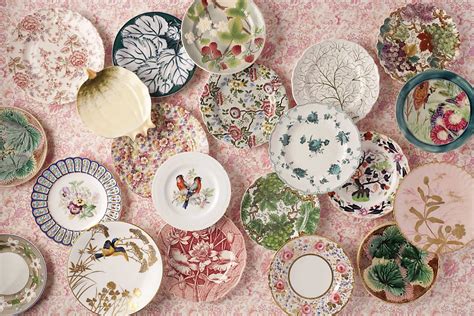
Strategic Ingredient Selection for Vibrancy
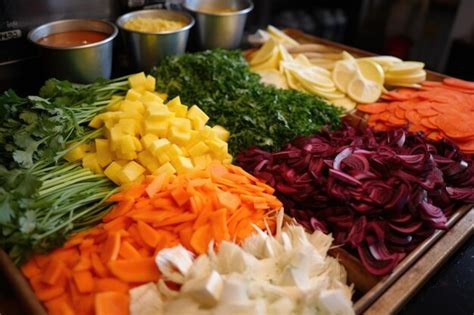
- Embrace the Rainbow: Prioritize ingredients naturally rich in color. Think beets, carrots, bell peppers, spinach, berries, and purple cabbage. Don’t shy away from using a variety of herbs like cilantro, parsley, and dill for fresh green accents.
- Preserve Color During Cooking: Overcooking can dull vibrant hues. Blanching vegetables quickly in salted water, then shocking them in ice water, locks in their color. Roasting can caramelize and deepen colors beautifully, while steaming preserves freshness.
- Consider Natural Pigments: Ingredients like turmeric, paprika, saffron, and spirulina can naturally enhance the color of sauces, rice, or pasta without artificial dyes.
Mastering Plating Techniques
- The Rule of Odds: Odd numbers of items on a plate tend to be more aesthetically pleasing than even numbers.
- Negative Space: Don’t overcrowd the plate. Allowing some blank space around your food helps highlight the dish and makes it feel more elegant and deliberate.
- The “Clock Face” Method: A classic approach suggests placing starches at 10 o’clock, vegetables at 2 o’clock, and protein at 6 o’clock. While a guideline, it helps ensure balance.
- Sauce Application: Instead of drowning the dish, drizzle sauces artfully, create a “smear” with the back of a spoon, or place a pool of sauce beneath the main components. Use contrasting colored sauces.
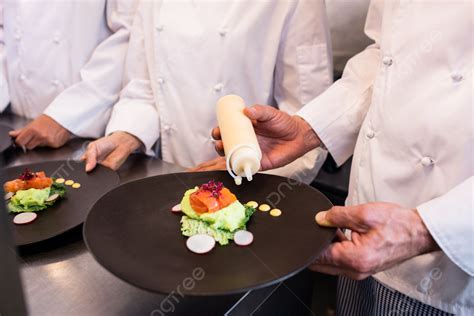
Creative Adaptations & Finishing Touches
- Layering for Depth: When preparing salads, sandwiches, or even main courses, think about layering ingredients to showcase their different colors and textures.
- Strategic Cutting: Julianne vegetables for fine strands, dice them for uniform chunks, or create decorative cuts. How you cut an ingredient significantly impacts its visual role.
- Edible Flowers and Microgreens: These small additions can instantly elevate a dish, adding delicate color and often a subtle flavor.
- Crumbles and Toppings: Toasted nuts, seeds, croutons, or even a sprinkle of cheese can add a crucial textural contrast and visual interest. A dash of smoked paprika or finely chopped fresh herbs can be the perfect final flourish.
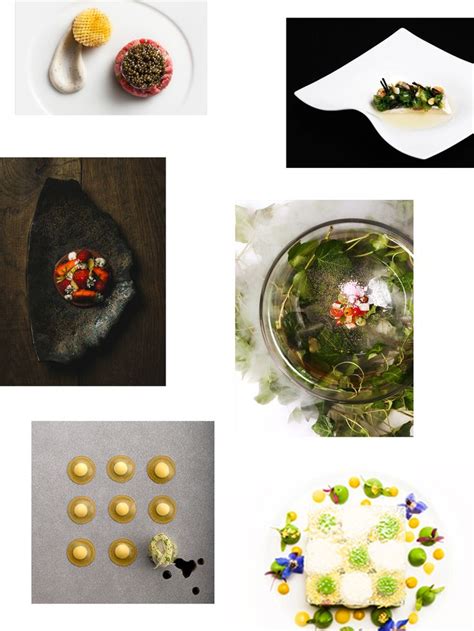
Transforming a recipe into a visual masterpiece is an exciting journey of culinary creativity. By consciously considering color, texture, shape, and height, and by employing smart plating techniques, you can turn everyday meals into extraordinary dining experiences. Experiment, play with your food, and discover the joy of making every dish as delightful to the eyes as it is to the palate.