How to adapt recipes for stunning visual contrast & flavor depth?
Elevate Your Culinary Creations Beyond Taste
In the world of cooking, taste is paramount, but the visual appeal of a dish can significantly enhance the overall dining experience. A plate that tantalizes the eyes often promises a burst of flavors. Adapting recipes to achieve stunning visual contrast and profound flavor depth isn’t about overcomplicating things; it’s about thoughtful ingredient selection, clever technique, and mindful presentation. This guide will help you transform ordinary meals into extraordinary culinary masterpieces that delight all the senses.
Mastering Visual Contrast: A Feast for the Eyes
Visual appeal stems from a harmonious interplay of colors, textures, and shapes. When adapting a recipe, consider how each component contributes to the overall aesthetic. Don’t just think about what tastes good; think about what looks good together.
Color Palette Power
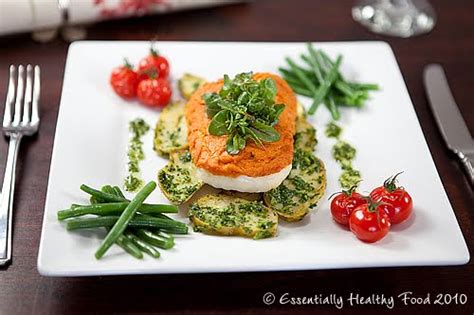
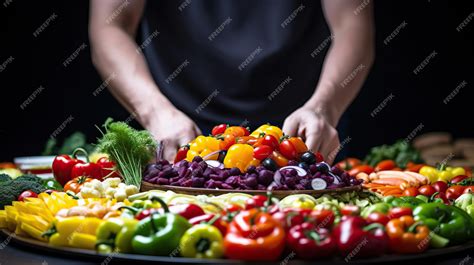
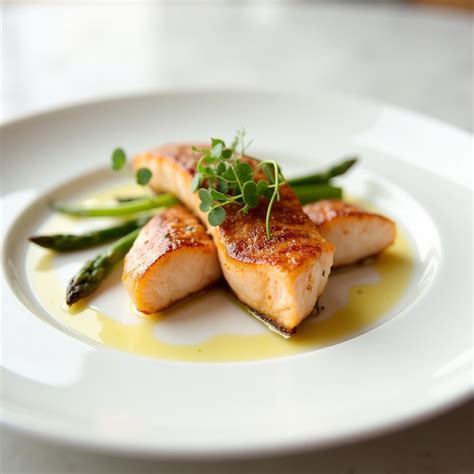
The easiest way to introduce visual contrast is through color. A monochrome dish can be delicious, but vibrant hues instantly make it more appealing. For instance, if you’re making a creamy white pasta, introduce bright green parsley, sun-dried tomatoes, or roasted red peppers. Dark greens like spinach or kale can offer a stark, beautiful contrast to lighter elements. Think of your plate as a canvas and your ingredients as paint.
Texture Dynamics
Beyond color, varying textures adds an exciting dimension. Imagine a dish with only soft components – it might be pleasant but quickly becomes monotonous. Introduce crunch with toasted nuts, crispy fried shallots, croutons, or a sprinkle of fresh seeds. A creamy element like a purée or sauce can juxtapose wonderfully with a crisp vegetable or seared protein. Contrast is key: smooth against rough, tender against firm, crisp against soft.
Shape and Size Variation
Monotony in shape can make a dish look uninspired. Instead of dicing all your vegetables identically, try different cuts: julienne some carrots, dice others, and leave some baby carrots whole. Use spirals, rounds, and irregular shapes to create visual interest. Large cuts of protein alongside finely chopped herbs or small berries can add a dynamic feel to the plate.
Building Flavor Depth: A Symphony for the Palate
While visual appeal draws diners in, flavor depth keeps them coming back for more. It’s about creating layers of taste that evolve on the palate, rather than a single, flat note. This involves understanding how ingredients interact and how cooking methods transform them.
The Art of Layering Flavors
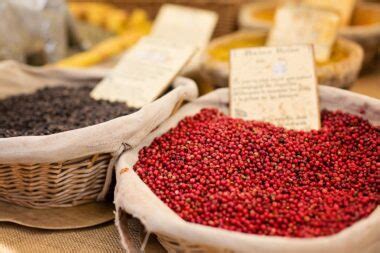
Think of flavor as an onion, with each layer revealing something new. Start with a foundational flavor (e.g., a rich stock or seared meat), then add aromatics (onions, garlic, celery), herbs (rosemary, thyme), and spices (cumin, paprika). Introduce acidic elements (lemon juice, vinegar) at the end to brighten the dish, and a touch of sweetness (honey, roasted carrots) or bitterness (radicchio, dark chocolate) to balance. Umami-rich ingredients like mushrooms, parmesan, or soy sauce can deepen the savory profile significantly.
Strategic Cooking Methods
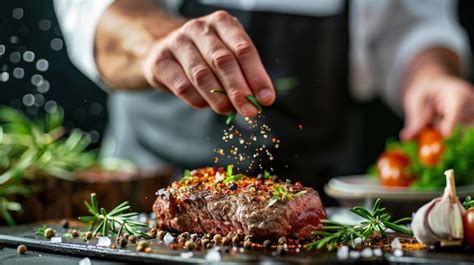
The way you cook an ingredient drastically impacts its flavor profile. Roasting vegetables caramelizes their natural sugars, intensifying sweetness and adding a smoky depth. Searing meat creates a rich, savory crust through the Maillard reaction. Braising develops tender textures and infuses ingredients with complex liquid flavors. Don’t be afraid to combine methods within a single dish – for example, searing chicken thighs before braising them.
Acids, Fats, and Umami Boosters
These three elements are crucial for professional-level flavor depth. A squeeze of lemon or a splash of vinegar can cut through richness and awaken dormant flavors, providing a much-needed “lift.” Healthy fats, whether from olive oil, butter, or nuts, carry flavors and provide a satisfying mouthfeel. As mentioned, umami components are your secret weapon for making a dish truly unforgettable. Consider adding tomato paste, anchovies (they melt away, leaving only umami), or dried shiitake mushrooms.
Practical Application: Adapting Your Recipes
When looking at an existing recipe, ask yourself:
- Visuals: Can I add a contrasting color (e.g., fresh herbs, a red pepper garnish)? Can I vary the cuts of my vegetables? Can I add a crispy element (nuts, seeds, fried sage)?
- Flavor: Is there a missing acidic note? Could an aromatic base be built more intensely? Can I incorporate an umami booster? Is there an opportunity to use a different cooking method for an ingredient to enhance its flavor?
- Balance: Are all five basic tastes (sweet, sour, salty, bitter, umami) represented or considered?
Start small. Perhaps just add a fresh herb garnish to your next soup, or toast your nuts before adding them to a salad. Gradually, you’ll develop an intuition for these adaptations.
Conclusion: Cook with Intention
Adapting recipes for visual contrast and flavor depth transforms cooking from a task into an art form. By consciously selecting ingredients for their color and texture, layering flavors with intention, and leveraging diverse cooking methods, you elevate your dishes from merely edible to truly memorable. Embrace experimentation in your kitchen, and watch as your culinary creations become not just delicious, but genuinely stunning.