How to build dynamic flavor layers for visually stunning dishes?

The Synergy of Taste and Sight
In the world of culinary arts, a dish is far more than just sustenance; it’s a multi-sensory experience. While taste remains paramount, the visual presentation of food plays a crucial role in setting expectations, enhancing perception, and ultimately, elevating the entire dining journey. A visually stunning dish isn’t just about superficial beauty; it’s a testament to thoughtful construction, where every element contributes to both flavor and aesthetic appeal.

Understanding the Building Blocks of Flavor
Dynamic flavor layering is the art of introducing different tastes, textures, and aromas at various stages and points within a dish, ensuring that each bite offers complexity and excitement. It’s about creating a harmonious interplay of ingredients that evolve on the palate.
1. The Foundation: Base Flavors
Every great dish starts with a robust foundation. This could be a rich stock, a slow-roasted protein, a creamy puree, or a perfectly seasoned grain. These elements provide the core flavor profile upon which all other layers are built. They should be well-balanced and flavorful on their own, setting the stage for what’s to come.
2. The Mid-Ground: Supporting Flavors
Once the base is established, supporting flavors come into play. These ingredients complement the foundation without overpowering it, adding depth and complexity. Think of aromatic vegetables sautéed until tender-crisp, gently braised greens, or subtle spices that warm the palate. These layers often bridge the gap between the base and the accents.
3. The Peak: Accent Flavors
Accent flavors are the bright, bold, and often contrasting elements that provide a ‘pop’ or a surprise. They can be acidic (lemon zest, vinegar), spicy (chili flakes, fresh ginger), herbaceous (fresh cilantro, mint), or crunchy (toasted nuts, fried shallots). These layers are crucial for cutting through richness, adding vibrancy, and preventing a dish from becoming monotonous.
Crafting Visual Appeal: More Than Just Plating
Just as you layer flavors, you also layer visual elements. A visually stunning dish is achieved by considering color, texture, shape, and arrangement. These components don’t just look good; they often correlate directly with flavor and texture layers.
Color Contrast and Harmony
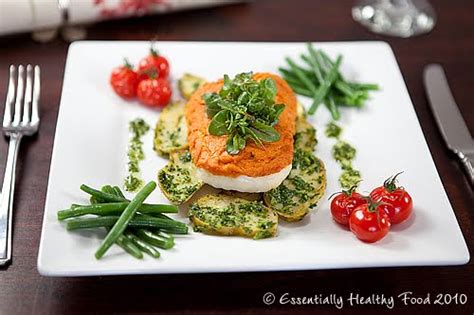
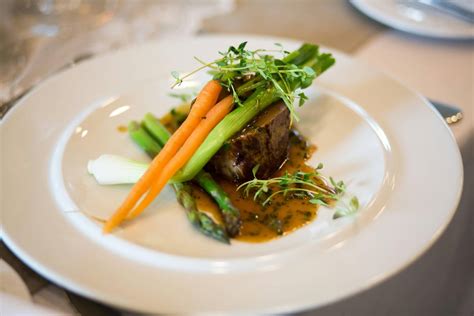
Vibrant colors stimulate appetite and suggest freshness. Use contrasting hues to make elements stand out – a bright green herb against a dark protein, or a rich red sauce on a creamy white puree. Harmonious colors, like different shades of green in a vegetable medley, can create a sense of calm and natural beauty.
Texture Play
Texture is a flavor unto itself. Combine smooth elements (purees, sauces) with tender ones (proteins, soft vegetables) and crispy components (fried garnishes, toasted seeds). This textural variety keeps the palate engaged and adds visual interest through different light reflections and shadows.
Shape and Form
The way ingredients are cut, whether uniform or rustic, contributes to the dish’s overall aesthetic. Consider the negative space on the plate, the height of stacked elements, and the flow of sauces. Each decision impacts the diner’s visual journey across the plate.

Techniques for Layering Both Flavor and Visuals
- Acid for Brightness: A squeeze of fresh lemon or a dash of high-quality vinegar just before serving can lift heavy dishes, brighten flavors, and add a subtle sheen to sauces, making them look more appealing.
- Herbs for Aroma & Color: Fresh herbs are not just garnishes; they provide distinct flavor layers. Layer them throughout the dish or sprinkle them generously as a finishing touch for vibrant color and aromatic impact.
- Crunch for Texture: Toasted nuts, crispy breadcrumbs, fried shallots, or delicate vegetable crisps add a critical textural contrast. Visually, they can provide height and an interesting silhouette.
- Sauces & Purees: Use sauces not just for flavor, but as a visual canvas. Swirls, dots, or strategically placed pools of contrasting colors (e.g., a green herb oil with a red pepper coulis) create artistic patterns and define flavor zones.
- Garnish with Purpose: Every garnish should earn its place. It must contribute flavor, texture, and visual appeal. Think microgreens for delicate bitterness and height, or edible flowers for a burst of color and subtle aroma.
Mastering the Art: Advanced Tips
True mastery of flavor and visual layering comes with practice and an deep understanding of your ingredients. Don’t be afraid to experiment and observe how different elements interact.
- Temperature Contrast: Pairing a warm element with a cool one (e.g., a seared scallop on a cold corn relish) creates a dynamic sensory experience that keeps the palate engaged.
- Olfactory Layering: The aroma of a dish is its first flavor impression. Incorporate ingredients that release appealing scents upon heating or cutting, such as fresh citrus zest, toasted spices, or fragrant herbs.
- The “Surprise” Element: A small, unexpected burst of flavor or texture hidden within a dish can delight diners. This could be a dollop of spicy jam under a piece of meat or a crunchy seed embedded in a creamy puree.
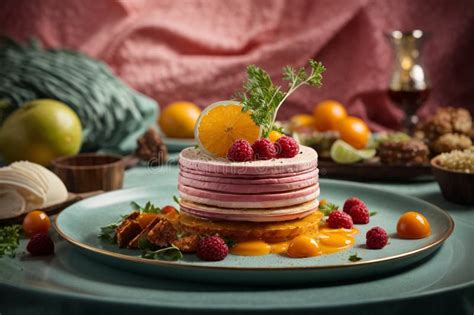
Building dynamic flavor layers for visually stunning dishes is an ongoing journey of learning and creativity. By consciously considering how each ingredient contributes to both taste and sight, you can transform simple ingredients into extraordinary culinary masterpieces that captivate all the senses. Embrace the process, trust your palate and your eye, and let your dishes tell a delicious, beautiful story.