How to capture authentic food visuals that truly convey taste, boosting ‘Real Foodies’ engagement?
The Power of Palate-Pleasing Pixels
In a world saturated with highly polished, often artificial, food imagery, the discerning ‘Real Foodie’ is seeking something more genuine. They’re not just looking for a pretty picture; they want visuals that whisper (or shout!) of aroma, texture, and taste. To truly boost engagement, your food photography must transcend mere aesthetics and delve into the authentic experience of a dish. It’s about making your audience almost taste the food through their screens.
Moving beyond the overly styled and sometimes unapproachable perfection, the goal is to capture the essence of a meal as it’s meant to be enjoyed. This means embracing naturalness, celebrating imperfections, and letting the food’s inherent character shine through.
Embracing Raw Authenticity: More Than Just a Pretty Plate
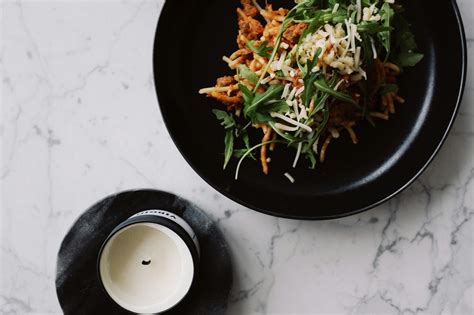
Authenticity in food visuals begins with a shift in perspective. Instead of striving for unattainable perfection, aim for relatable reality. This often means leveraging natural light, which is incredibly flattering and brings out the true colors and textures of food. Harsh artificial lights can flatten a dish, making it look less appetizing.
Don’t shy away from the signs of life: a perfectly imperfect crumb, a slight drizzle, a wisp of steam. These elements signal freshness and realness. They tell a story that the food is freshly prepared, delicious, and ready to be devoured. Avoid over-editing that strips the food of its natural character; instead, use post-processing to enhance what’s already there.
Unlocking Flavor Through Visual Cues
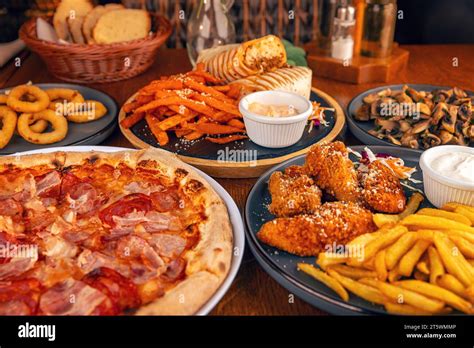
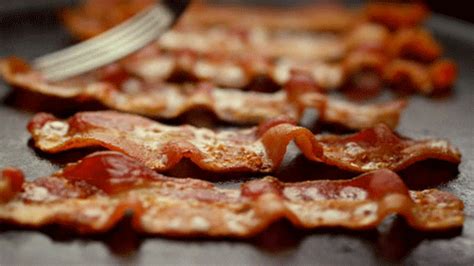
How do you make an image convey taste? It’s about strategically highlighting visual cues that trigger sensory memories. Think about the texture of a crispy crust, the gooey stretch of melted cheese, the glistening juiciness of a perfectly cooked steak, or the vibrant freshness of herbs. Close-up shots can be incredibly effective here, allowing viewers to appreciate the intricate details of ingredients and cooking.
Consider the story of your ingredients. If it’s a farm-to-table dish, a subtle inclusion of a raw ingredient or a rustic background can reinforce that message. Show the warmth through steam, the coolness through condensation on a glass, or the crunch through crumbs. These subtle visual cues are powerful taste communicators.
The Art of Storytelling: Context and Connection
Great food visuals tell a story. This isn’t just about the food itself, but its context. Who is enjoying it? Where is it being eaten? What’s the mood? Simple, authentic props can help set the scene without distracting from the main subject. A worn wooden table, a handmade ceramic bowl, or a linen napkin can add depth and character, grounding the dish in a relatable reality.
Consider showing hands interacting with the food (e.g., reaching for a slice, drizzling sauce), or capturing the dish mid-preparation or even half-eaten. These human elements create connection and make the food feel more accessible and desirable. It shifts the focus from an object to an experience.

Practical Tips for Visual Success
While authenticity is key, technical proficiency supports it. Pay attention to composition: use the rule of thirds, leading lines, or symmetry to create visually pleasing arrangements. Depth of field can be your best friend, allowing you to isolate your hero dish and blur distracting backgrounds, keeping the focus sharp on the taste-inducing elements.
When it comes to editing, less is often more. Aim for natural enhancements rather than dramatic transformations. Adjust brightness, contrast, and white balance to make colors pop genuinely. Sharpen details subtly to emphasize textures, but avoid artificial saturation or filters that make the food look unnatural. The goal is to make the food look as good as it tastes in real life, not an idealized version.
Cultivating Connection, One Authentic Bite at a Time
Capturing authentic food visuals that truly convey taste is a powerful way to engage ‘Real Foodies’. It’s about more than just taking a pretty picture; it’s about telling a story, evoking a feeling, and building trust through genuine representation. By focusing on naturalness, highlighting sensory cues, and using thoughtful composition and minimal editing, you can create images that resonate deeply, fostering a community that truly appreciates the art of food, both on and off the screen.