How to consistently achieve visually stunning plating that matches high-quality recipe photos?

Elevate Your Culinary Creations: The Art of Plating
There’s a palpable thrill that comes with flipping through a cookbook or scrolling through an online recipe, admiring the pristine, perfectly styled dishes. Often, the visual appeal of a recipe photo is as enticing as the ingredients themselves. But how do you bridge the gap between that glossy image and your own kitchen creation? Achieving visually stunning plating isn’t just for professional chefs; it’s a learnable skill that can significantly enhance your dining experience and impress your guests. This guide will walk you through the techniques, tools, and mindset needed to consistently plate dishes that look as good as they taste.
Understanding the Fundamentals of Visual Appeal
Before you even pick up a spoon, consider the core elements that make a dish visually appealing. Professional food stylists master these principles, and so can you. Focus on:
- Color: A vibrant plate is an appealing plate. Aim for a variety of colors through different ingredients, garnishes, and sauces.
- Texture: Introduce contrast in textures – crunchy, creamy, smooth, crisp – to add interest.
- Height: Don’t let everything lie flat. Stacking or leaning elements can add dynamic dimension.
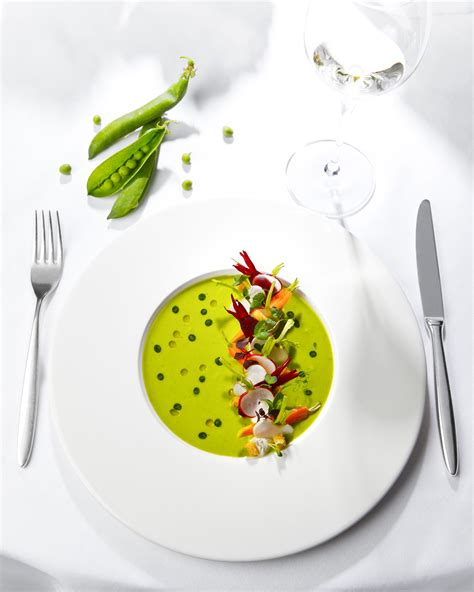
- Negative Space: Just as important as what’s on the plate is the empty space around it. This creates focus and prevents a cluttered look.
- Balance: Ensure the elements are distributed harmoniously, avoiding heavy concentrations in one area.
Essential Tools for Precision Plating
While you can achieve a lot with basic kitchen tools, a few specialized items can significantly elevate your plating game:
- Squeeze Bottles: Perfect for precise application of sauces, purées, and oils, allowing for dots, drizzles, and intricate patterns.
- Offset Spatula: Ideal for spreading sauces smoothly or lifting delicate components without marring them.
- Plating Rings/Molds: Excellent for creating perfectly cylindrical towers of grains, salads, or tartares.
- Tweezers/Tongs: For delicate placement of microgreens, edible flowers, or small garnishes.
- Clean Cloths: Always have a damp cloth handy to wipe plate edges clean before serving.
Mastering Plating Techniques for Different Components
Each food component has its own best practices for presentation:
Sauces and Purees
Sauces are often the canvas or the defining accent. Use squeeze bottles for controlled dots, lines, or swooshes. A spoon can create a graceful smear across the plate. Always consider the consistency of your sauce; a too-thick or too-thin sauce will be difficult to manipulate.
Proteins
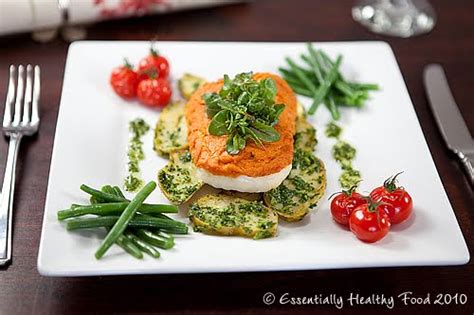
Whether it’s a perfectly seared steak, pan-fried fish, or a roasted chicken breast, the main protein usually takes center stage. Slice meats cleanly and arrange them to showcase their interior cook. For fish, consider the natural curvature and skin presentation. Stack or lean components to add height and drama.

Grains and Starches
Rice, quinoa, mashed potatoes, or polenta can be formed into elegant shapes using plating rings or a spoon to create a quenelle (an oval shape). The key is to make them look deliberate and refined, not just a dollop.
Vegetables and Garnishes
Vegetables add crucial color and texture. Arrange them thoughtfully around or atop your main components. Garnishes like fresh herbs, microgreens, edible flowers, or a sprinkle of spices provide the finishing touch, adding vibrancy and freshness. Place them with intention, considering their role in the overall composition.
Replicating Recipe Photo Aesthetics: Your Strategy
The secret to matching recipe photos lies in observation and practice. Treat the recipe photo as your blueprint:
- Analyze the Composition: Where are the main components placed? Is there a focal point? What kind of plate is used? How much negative space is there?
- Note the Angles and Height: Are components stacked high or spread out? What angle is the photo taken from? This can inform how you build your dish.
- Mimic Key Elements: Pay attention to unique garnishes, sauce patterns, or specific cuts of vegetables. Replicate these as closely as possible.
- Practice, Practice, Practice: Your first attempt might not be perfect, and that’s okay. Try plating the same dish multiple times until you achieve a result you’re proud of.

Tips for Consistent Success
- Start Simple: Don’t try to master avant-garde plating overnight. Begin with basic arrangements and gradually add complexity.
- Cleanliness is Key: Always wipe down the edges of your plate with a damp cloth or paper towel before serving. Stray drips or smudges detract from the presentation.
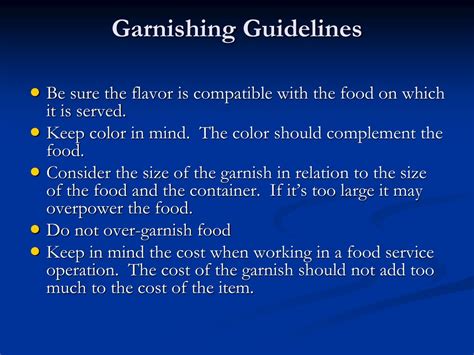
- Don’t Over-Plate: Less is often more. A plate that is too crowded looks messy and overwhelming. Give your ingredients room to breathe.
- Consider the Plate: The shape, size, and color of your plate significantly impact the final look. White, round plates are versatile and make food pop.
- Work Quickly: Especially with hot dishes, food can cool or wilt quickly. Have all your components ready and plate efficiently to ensure optimal temperature and freshness.

Conclusion
Achieving visually stunning plating that matches high-quality recipe photos is an attainable goal for any home cook. It’s a journey of observation, experimentation, and a little patience. By understanding the fundamentals of visual appeal, utilizing the right tools, and practicing specific techniques, you can transform your meals from delicious to dazzling. So, next time you’re cooking, remember that presentation is part of the culinary experience. Embrace the art of plating, and watch as your dishes become not just food, but edible masterpieces.