How to cook ingredients to maximize vibrant color and appealing texture in recipes?

The Art of Visual and Textural Appeal in Cooking
In the culinary world, we eat with our eyes first. The visual vibrancy of a dish and its appealing texture are not merely aesthetic preferences; they are crucial indicators of freshness, proper preparation, and ultimately, how enjoyable a meal will be. Learning to cook ingredients in a way that maximizes their natural colors and ensures desirable textures can elevate even the simplest recipes to gourmet status. It’s about respecting the ingredients and understanding the science behind their transformation.
Blanching and Shocking: The Secret to Green Brilliance
For vegetables like broccoli, green beans, asparagus, and spinach, blanching followed by an ice bath is a non-negotiable technique for preserving their brilliant green hue and crisp-tender texture. Blanching involves briefly cooking vegetables in rapidly boiling, salted water for a minute or two, then immediately plunging them into ice-cold water (the “shocking” phase). This process stops the cooking, locks in the chlorophyll (the green pigment), and maintains a firm bite, preventing them from turning dull olive green and mushy.
The science behind it is fascinating: the heat denatures enzymes that cause browning and dullness, while the cold arrests the cooking process, sealing in the color and crispness.
Sautéing and Roasting: Developing Depth and Richness
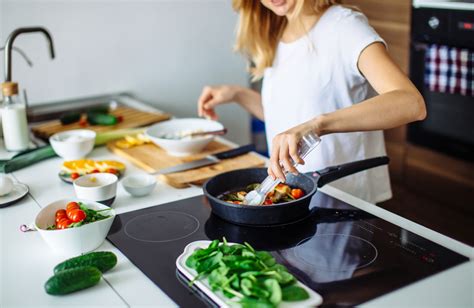
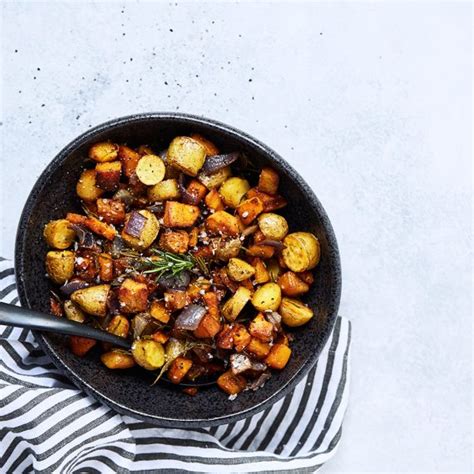
When you’re looking for richer colors and more complex textures, sautéing and roasting are your allies. High-heat cooking methods encourage the Maillard reaction and caramelization, processes that create savory flavors and beautiful golden-brown exteriors. For vegetables like bell peppers, carrots, onions, and root vegetables, these methods bring out their natural sweetness and develop appealing roasted notes.
When sautéing, ensure your pan is hot and not overcrowded to allow for proper searing rather than steaming. For roasting, toss vegetables lightly with oil and spread them in a single layer on a baking sheet. The dry heat allows moisture to evaporate, concentrating flavors and crisping up the edges.
Gentle Steaming and Poaching: Preserving Delicacy
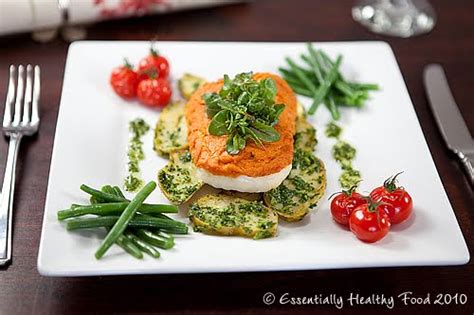
Not all ingredients benefit from intense heat. Delicate items like fish fillets, certain leafy greens, and soft fruits often thrive with gentle cooking methods like steaming or poaching. Steaming helps retain nutrients and natural colors without submerging ingredients in water, which can leach out pigments and vitamins. Poaching, often done in a flavorful liquid, cooks items gently and evenly, keeping them tender and moist.
The key here is low, consistent heat and careful timing to avoid overcooking, which can quickly turn delicate textures rubbery or mushy and dull colors.
The Role of Acid and Alkali: Understanding Color Chemistry
Understanding how acid and alkali affect ingredients is crucial for color retention. Generally, acids (like lemon juice or vinegar) help maintain the vibrancy of red and purple pigments (anthocyanins found in red cabbage, berries) but can dull green vegetables. Conversely, alkalis (like baking soda) can intensify green colors initially but often lead to mushiness and nutrient loss if used excessively. For most green vegetables, neutral to slightly acidic conditions are best for color and texture.
A splash of acid at the end of cooking can brighten flavors and sometimes enhance colors that fade with heat.
Don’t Overcook: The Golden Rule for All Ingredients
Perhaps the most critical piece of advice for maximizing both color and texture is simple: do not overcook. Overcooked vegetables lose their crispness and turn soft, their vibrant colors fading to drab shades of grey or brown. Overcooked proteins become tough and dry. Learning to cook to the perfect ‘al dente’ for pasta or ‘just done’ for vegetables and meats is a skill that comes with practice and attention to detail. Always err on the side of undercooking, as you can always cook for a minute or two longer if needed, but you can’t undo overcooking.

Start with Fresh, Quality Ingredients
No amount of expert cooking technique can rescue dull, old, or poorly stored produce. The foundation for vibrant colors and appealing textures begins at the market. Choose ingredients that are firm, bright, and free from blemishes. Freshness directly correlates with the intensity of color and the integrity of texture your final dish will possess.
Conclusion: Cook with Intention and Observation
Achieving maximum vibrant color and appealing texture in your cooking is a blend of technique, science, and attentive observation. By employing methods like blanching and shocking, utilizing high-heat searing, cooking gently when appropriate, and most importantly, avoiding overcooking, you can transform everyday meals into visually stunning and texturally delightful culinary experiences. Pay attention to your ingredients, understand how different cooking methods impact them, and you’ll consistently create dishes that are as beautiful to behold as they are delicious to eat.