How to craft Visual Bites that convert foodies to full recipe page views?
In the fast-paced digital world, capturing the fleeting attention of a hungry audience is paramount for food bloggers and recipe creators. Visual Bites—short, punchy, and highly engaging pieces of food content—are your secret weapon. But merely getting a ‘like’ or a quick view isn’t enough; the ultimate goal is to convert that initial spark of interest into a valuable full recipe page view. This article will guide you through crafting Visual Bites that not only stop the scroll but also compel foodies to dive deeper into your culinary creations.
Understanding the Foodie Mindset
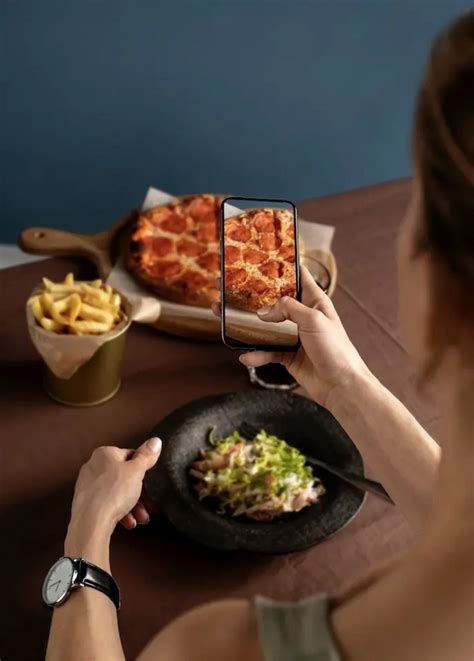
Modern food enthusiasts are constantly seeking inspiration, convenience, and delicious results. They scroll through social feeds at lightning speed, making quick decisions about what’s worth their precious time. A compelling Visual Bite taps into this behavior by offering immediate gratification: a stunning visual, a tantalizing glimpse, or a quick solution. The journey typically involves a “scroll, stop, engage, and click” sequence. Your Visual Bite needs to be the irresistible trigger that initiates this journey.
The Anatomy of a Perfect Visual Bite
High-Quality Visuals are Non-Negotiable
The foundation of any successful Visual Bite is impeccable visual quality. This means excellent lighting, thoughtful composition, and meticulous food styling. Focus on capturing the “hero shot”—the most mouth-watering, irresistible aspect of your dish. Whether it’s a glistening glaze, a perfectly golden crust, or a vibrant medley of ingredients, ensure your visuals are crisp, clear, and utterly appetizing. A blurry or poorly lit image won’t just fail to convert; it might deter potential fans.

Concise and Engaging Text Overlays/Captions
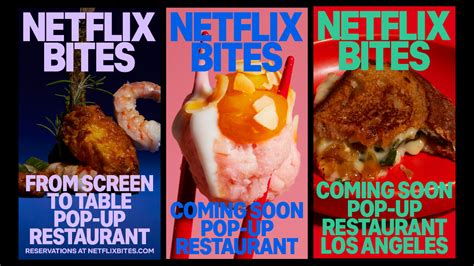
Beyond the visual, the accompanying text is crucial. Use short, punchy headlines or overlays that grab attention and convey immediate value. Think: “5-Ingredient Weeknight Dinner,” “Viral Dessert Hack,” or “Crispy Chicken in 30 Mins.” Your captions should amplify the visual appeal, highlight key benefits, and subtly hint at the full recipe’s depth without revealing everything. Always include a clear, benefit-driven call to action (CTA).
Dynamic Storytelling for Video Bites
If you’re creating video Visual Bites, focus on dynamic storytelling. Showcase the transformation, key preparation steps, or the sensory experience of cooking. Keep videos short and snappy, typically 15-60 seconds, with quick cuts and engaging transitions. The aim is to create a sense of intrigue and desire, making viewers want to see (and taste!) the full story.
Strategies for Conversion: From Bite to Page View
Implement a Clear Call to Action (CTA)
Never leave your audience guessing. Your Visual Bite must contain an explicit and easy-to-find Call to Action. Phrases like “Get the Full Recipe,” “Link in Bio for Ingredients,” or “Tap Here for Instructions” guide viewers directly to your desired destination. Make the CTA prominent, whether it’s a direct link sticker on Instagram Stories, a swipe-up option, or a clear instruction in your caption.

Optimize Your Links and Landing Pages
The conversion path must be seamless. Ensure that the link you provide goes directly to the recipe page and that this page is mobile-friendly, fast-loading, and easy to navigate. A slow or broken link, or a cluttered landing page, will immediately deter even the most eager foodie. Your recipe page should deliver on the promise of your Visual Bite, providing clear instructions, beautiful photos, and helpful tips.
Tease, Don’t Reveal Everything
The art of conversion lies in teasing, not spoiling. Your Visual Bite should offer a compelling glimpse of the delicious outcome and perhaps a unique ingredient or technique, but it shouldn’t be a mini-recipe in itself. Hold back just enough information to pique curiosity and make the full recipe page feel like an essential next step.
Measuring Success and Iterating
To continuously improve your conversion rates, it’s crucial to track key metrics. Monitor views, engagement rate (likes, comments, shares), click-through rate to your recipe pages, and importantly, the time users spend on those pages. Utilize analytics tools to understand which types of Visual Bites resonate most with your audience. A/B test different visuals, CTAs, and content formats to refine your strategy. Learning from your data allows you to create more effective content that consistently drives traffic to your full recipes.
Conclusion
Crafting Visual Bites that successfully convert foodies to full recipe page views is an art and a science. It demands high-quality visuals, strategic storytelling, clear calls to action, and continuous optimization based on data. By focusing on these elements, you can transform fleeting social media attention into dedicated engagement, growing your audience and elevating your culinary content. Experiment, analyze, and delight your food-loving community with every enticing bite.