How to create vibrant, scroll-stopping food visual bites for foodie feeds?

Why Scroll-Stopping Food Visuals Matter
In the bustling digital world of foodie feeds, where millions of culinary creations vie for attention, merely good photos are no longer enough. To truly connect with your audience and make your dishes memorable, you need visuals that stop the scroll—vibrant, enticing “visual bites” that tell a delicious story at a glance. Whether you’re a home cook, a professional chef, a food blogger, or a brand, mastering the art of creating compelling food imagery is paramount to standing out and building a hungry community.
The Foundation: Mastering Light and Color
The secret to captivating food photography often begins and ends with light. Natural light is your best friend; it’s soft, flattering, and brings out the true colors and textures of your food. Position your dish near a window, but avoid direct harsh sunlight which can create strong shadows and blown-out highlights. Instead, opt for diffused light, perhaps by using a sheer curtain or a diffuser panel.
Soft, Diffused Lighting
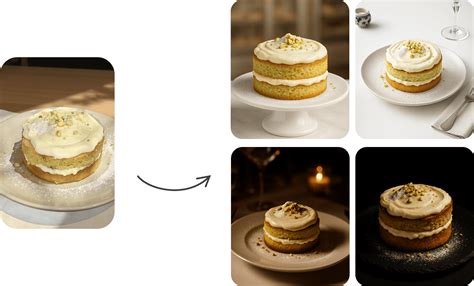
Soft, diffused light creates a gentle glow that enhances dimension without being overly dramatic. This type of lighting is perfect for showcasing the delicate nuances of ingredients, from the sheen of a sauce to the subtle crispness of a crust. Experiment with different angles—side lighting or backlighting can add depth and an ethereal quality, especially for drinks or dishes with steam.
Embrace Color Theory
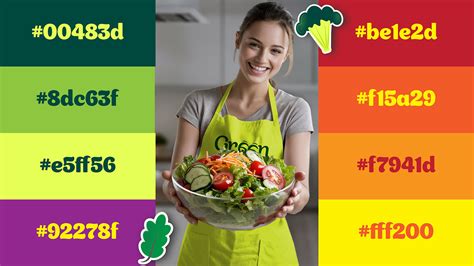
Color plays a vital role in making food appealing. Think about complementary colors (like red tomatoes against green basil) or analogous colors (different shades of green) to create visually harmonious or striking contrasts. A pop of vibrant color from fresh herbs, berries, or a colorful plate can instantly elevate a dish and make it more inviting.
Composition and Styling: Arranging Your Culinary Masterpiece
Once you have your lighting sorted, it’s time to compose your shot. Composition is how you arrange elements within your frame to create an appealing and balanced image. Familiarize yourself with principles like the rule of thirds, leading lines, and negative space to guide the viewer’s eye.
Plating for the Camera
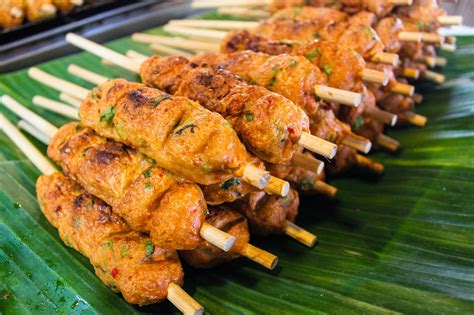
Before you even think about the camera, consider your plating. Think of your dish as a canvas. Arrange ingredients thoughtfully, paying attention to height, texture, and color. Don’t overcrowd the plate; leave some white space to let the food breathe. A drizzle of sauce, a sprinkle of fresh herbs, or a few artfully placed crumbs can add a professional touch.
Props and Backgrounds
Props and backgrounds should complement, not distract from, the food. Choose simple, textured backgrounds like wooden boards, linen cloths, or minimalist tabletops. Select props such as vintage cutlery, rustic bowls, or fresh ingredients related to the dish to add context and warmth. Maintain a consistent aesthetic that reflects your brand or personal style.

Adding Dynamic Elements and Movement
While still photos are powerful, incorporating dynamic elements can truly make your visuals jump off the screen, especially in short video formats like Reels or Stories. Think beyond the static shot.
Showcase steam rising from a hot dish, a perfectly timed drip of honey, a sprinkle of cheese, or a hand reaching in to grab a piece. These micro-moments add life, authenticity, and a sense of immediate gratification. Short video clips demonstrating a quick preparation step or the texture of a dish (e.g., pulling apart a cheesy bread) are incredibly engaging and stop thumbs mid-scroll.

Post-Processing: The Final Polish
Editing is where you refine your visual bite and ensure it pops. Tools like Adobe Lightroom, Snapseed, or even Instagram’s built-in editor can dramatically improve your images. Focus on adjustments that enhance the natural beauty of your food:
- Brightness & Contrast: To make your image more vibrant and defined.
- Saturation & Vibrance: To boost colors without making them look artificial.
- Shadows & Highlights: To recover detail in underexposed or overexposed areas.
- Sharpness: To bring out textures.
- White Balance: To ensure colors are accurate and not too warm or cool.
Strive for consistency in your editing style to create a cohesive and recognizable feed.
Storytelling Through Your Visuals
Ultimately, a truly scroll-stopping visual bite tells a story. It’s not just about the food; it’s about the experience, the journey, or the emotion. Show the fresh ingredients, a snippet of the cooking process, the joy of sharing a meal, or the satisfying first bite. Authenticity resonates deeply with audiences.
Engage your viewers by creating visuals that evoke hunger, comfort, excitement, or curiosity. What message do you want to convey about this dish? Let your visuals speak volumes and invite your audience into your culinary world.
Conclusion
Creating vibrant, scroll-stopping food visual bites is an art that combines technical skill with creative flair. By paying meticulous attention to lighting, composition, styling, dynamic elements, and post-processing, and by weaving a compelling story through your imagery, you can transform your food content from merely appetizing to truly irresistible. Practice, experiment, and most importantly, have fun capturing the delicious essence of your culinary creations.