How to create visual bites that compel foodies to click new recipes?
Understanding the Foodie’s Gaze: Why Visuals Reign Supreme
In the bustling digital landscape, where attention spans are fleeting and feeds are oversaturated, a new recipe faces fierce competition. For foodies, the first bite isn’t with their mouth, but with their eyes. An uninspiring image can mean a delicious recipe goes unnoticed, while a captivating “visual bite” can stop the scroll, spark curiosity, and compel them to click. To stand out, creators must master the art of visual storytelling, transforming mere ingredients into an irresistible invitation.
Mastering the Fundamentals of Food Photography
Great visual bites begin with solid photography principles. You don’t always need professional gear; even a smartphone, when used skillfully, can produce stunning results. Focus on clarity: ensure your dish is in sharp focus, especially the most appealing elements. Experiment with angles – an overhead shot can highlight all ingredients, while a close-up at eye level can emphasize texture and depth. Good lighting is non-negotiable, typically soft, diffused natural light.
The Art of Food Styling and Plating for Irresistible Appeal
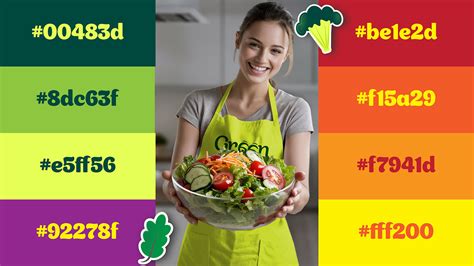
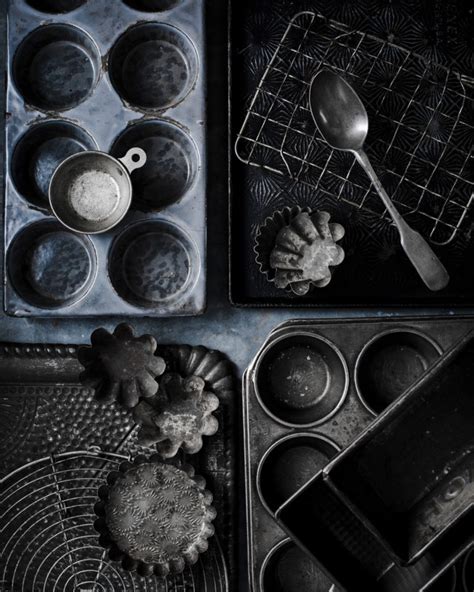
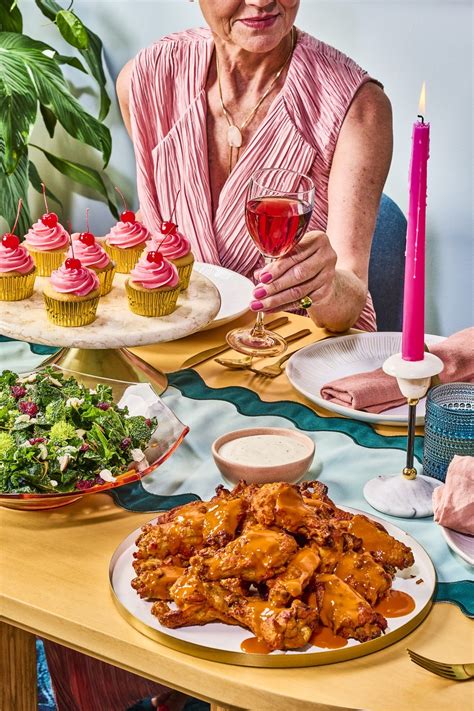
Beyond photography, how you present the food itself is paramount. Food styling is about making the dish look its absolute best, often even better than it tastes (initially!). Start with fresh, vibrant ingredients. Plate strategically, ensuring a balance of colors, textures, and heights. Use garnishes – a sprinkle of fresh herbs, a zest of citrus, or a drizzle of sauce – to add life and professionalism. Props and backdrops should enhance, not distract, creating a harmonious scene that tells a story about the dish.
Illuminating Your Dishes: Lighting and Composition
Lighting can make or break your food photo. Natural, diffused light from a window is often your best friend, creating soft shadows and highlighting details without harshness. Avoid direct sunlight which can create unflattering hotspots. When composing your shot, apply principles like the rule of thirds to create dynamic and engaging visuals. Think about negative space to let the food breathe, and leading lines to draw the viewer’s eye towards the hero of the dish. Creating depth with foreground and background elements also adds to the allure.
Storytelling Through Texture, Action, and Context
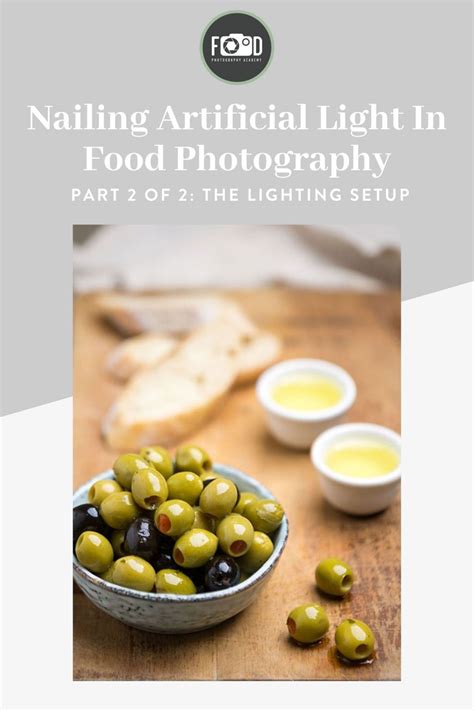
Static images are good, but dynamic ones are better. Foodies are drawn to visuals that evoke sensation: the crispiness of a crust, the gooeyness of melted cheese, the steam rising from a hot dish. Capture texture through close-ups. Incorporate a sense of action – a sprinkle of salt, a pour of sauce, a hand reaching for a piece – to make the image feel more alive and relatable. Adding context, like a beautifully set table or a cozy kitchen scene, can transport the viewer and make them imagine enjoying the recipe themselves.
Optimizing for Digital Platforms and Engagement
Even the most stunning visual bite won’t perform if it’s not optimized for where it will be seen. Consider aspect ratios: square for Instagram, vertical for Pinterest or stories, horizontal for blogs. Ensure the image quality is high but the file size is manageable for fast loading. Crucially, pair your compelling visual with equally compelling copy – a short, intriguing caption that prompts a click. Use relevant hashtags to increase discoverability and interact with comments to build community. Regularly analyze what types of visuals resonate most with your audience to refine your strategy.
Conclusion
Creating visual bites that compel foodies to click new recipes is an art form rooted in understanding your audience, mastering photographic techniques, and strategic presentation. By focusing on clarity, vibrant styling, optimal lighting, dynamic storytelling, and platform-specific optimization, you can transform your recipes into irresistible visual experiences. Invest time in honing these skills, and watch as your delicious creations move from unnoticed posts to highly clicked culinary adventures.