How to create Visual Bites that convert foodies to recipe page clicks?
Unlocking Recipe Page Clicks with Irresistible Visual Bites
In the digital age, where attention spans are fleeting and social feeds are overflowing, captivating your audience is paramount. For food creators, this means going beyond just great recipes. It’s about mastering the art of the “Visual Bite” – that tantalizing snapshot or short video that stops a scrolling foodie in their tracks and compels them to discover more. But how do you transform a drool-worthy image into a measurable click-through to your cherished recipe page? This guide will break down the essential strategies.
What Exactly are Visual Bites?
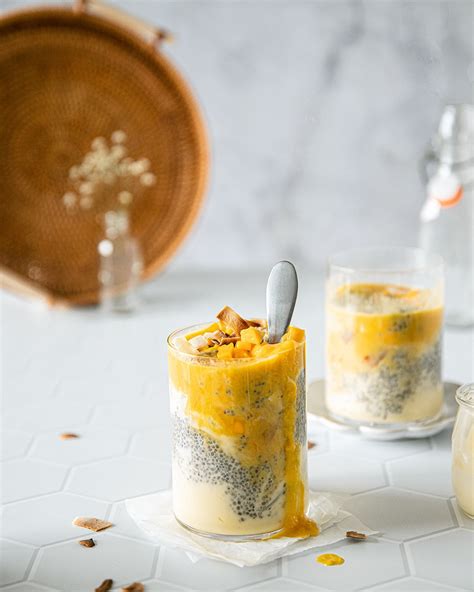
Visual Bites are highly engaging, bite-sized pieces of visual content—primarily stunning photos and short, dynamic videos—designed to instantly convey the appeal of a dish. They serve as a delicious teaser, a sensory invitation that promises a delightful culinary experience. Think of them as the digital appetizer to your main course recipe. Their primary goal isn’t just to look good, but to act as a bridge, guiding the viewer from passive admiration to active engagement and, ultimately, to your full recipe.
The Anatomy of a High-Converting Visual Bite
1. Mastering the Visuals: Photography & Videography
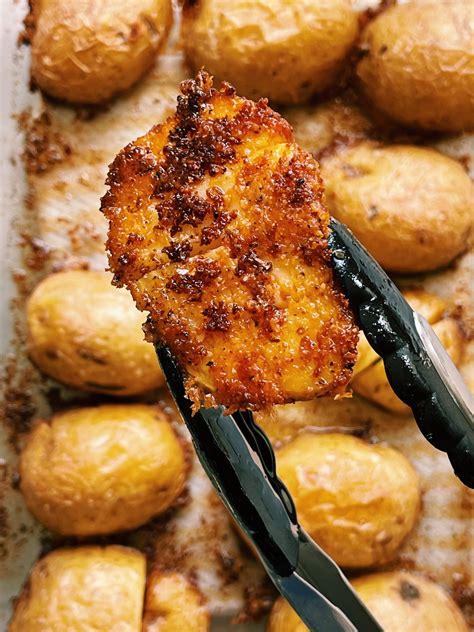
Lighting is Key: Natural light is almost always your best friend. Position your food near a window, utilizing soft, diffused light to highlight textures and colors. Avoid harsh shadows or overexposure that can make food look unappetizing.
Styling for Success: Food styling isn’t just about making it pretty; it’s about making it relatable and appealing. Use fresh ingredients, clean backdrops, and props that complement the dish without overpowering it. Show a spoonful, a drizzle, or a slice to add a sense of action and desire.
Composition & Angles: Experiment with overhead shots, close-ups that emphasize texture, or eye-level perspectives that create intimacy. The rule of thirds often works wonders in creating balanced and interesting visuals. Don’t be afraid to show the messiness of cooking or the joy of eating – authenticity resonates.
2. Dynamic Content: Short Videos and GIFs
While static images are powerful, short videos (10-30 seconds) and GIFs can be even more effective for demonstrating process or texture. Think slow-motion cheese pulls, a bubbling sauce, or the satisfying sizzle of a pan. These micro-videos bring the food to life, triggering more senses and building anticipation. Platforms like Instagram Reels, TikTok, and YouTube Shorts are perfect for this.
3. Strategic Storytelling & Context
A Visual Bite isn’t just a picture; it’s a micro-story. What’s the mood? What’s the occasion? A cozy winter stew will have a different visual narrative than a vibrant summer salad. Use captions to add a hint of what’s to come, ask engaging questions, or briefly describe a key ingredient or technique that piques curiosity.
Driving the Click: Converting Engagement to Action
1. The Irresistible Call to Action (CTA)
Your Visual Bite has done its job of stopping the scroll; now you need to guide the viewer. A clear, concise, and compelling Call to Action is crucial. Phrases like “Get the full recipe!”, “Tap here for instructions!”, “Link in bio for this delicious dish!”, or “Full recipe on our blog!” leave no room for ambiguity. Place your CTA prominently in your caption, story swipe-up, or video overlay.
2. Streamlined User Journey
Once they click, the journey must be seamless. Ensure your link goes directly to the recipe page, not your homepage. The recipe page itself should be mobile-friendly, load quickly, and be easy to navigate. Any friction here can result in a lost click and a frustrated potential fan.
3. Platform-Specific Optimisation
- Instagram: Utilize carousels for step-by-step visuals, Reels for dynamic recipe snippets, and Stories for interactive CTAs (polls, swipe-up links).
- Pinterest: Design vertical pins with strong CTAs and clear text overlays. Pinterest is a discovery engine; make your pins highly searchable and visually stunning.
- Facebook: Share high-quality photos and videos directly with engaging questions, always linking to the recipe in the post text.
- TikTok/YouTube Shorts: Focus on short, catchy, process-driven videos with on-screen text and a clear verbal or visual CTA to “check the link in bio” or “full recipe on YouTube.”

Measuring and Refining Your Strategy
Don’t just create; analyze. Track your click-through rates (CTR) from various platforms and types of Visual Bites. Which images performed best? Which videos garnered the most clicks? Use this data to refine your content strategy, understand what resonates with your audience, and continuously improve your conversion rates. A/B test different CTAs, visual styles, and posting times to find your sweet spot.
Conclusion
Converting foodies to recipe page clicks is an art and a science. It’s about crafting Visual Bites that are not just beautiful but strategic, designed with a clear purpose: to entice, inform, and guide. By focusing on stunning visuals, dynamic content, clear calls to action, and a seamless user journey, you can transform casual scrolling into dedicated cooking, driving consistent traffic to your valuable recipes and growing your culinary community.