How to create “Visual Bites” that truly pop and drive recipe discovery for foodies?

The Power of the Plate: Why Visual Bites Matter
In today’s visually-driven digital landscape, foodies eat with their eyes long before they ever taste a dish. ‘Visual Bites’ – compelling, mouth-watering images and short videos of food – are no longer just an aesthetic bonus; they are the cornerstone of recipe discovery and engagement. A truly ‘popping’ visual bite doesn’t just look good; it tells a story, evokes an emotion, and most importantly, makes someone want to recreate that deliciousness in their own kitchen. So, how do you elevate your food visuals from mere snapshots to irresistible invitations?
Mastering the Art of Composition and Lighting
Creating visuals that truly pop begins with a solid foundation in composition and lighting. Think like a photographer: what’s your focal point? How can you use the rule of thirds, leading lines, or negative space to guide the viewer’s eye? Close-ups can highlight texture and detail, while overhead shots offer a comprehensive view of the entire spread. Experiment with angles to find what best showcases your dish’s unique appeal.
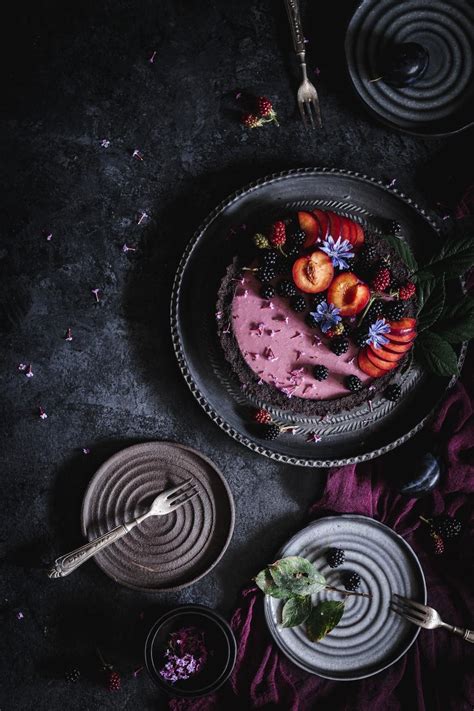
Lighting is arguably the most critical element. Natural, diffused light is your best friend. Position your food near a window, but avoid direct sunlight which can create harsh shadows and blow out highlights. Soft, even light brings out the vibrant colors and textures of your ingredients, making them look fresh and appetizing. Golden hour lighting can add a warm, inviting glow, perfect for comfort foods or baked goods.
Color, Contrast, and Culinary Storytelling
Beyond composition and light, leverage color and contrast to make your visuals stand out. Think about the color palette of your dish and how it interacts with your chosen props and background. Vibrant, fresh ingredients naturally draw the eye, but strategic use of contrasting colors (e.g., a bright green herb garnish on a rich red tomato sauce) can make elements truly pop. Don’t be afraid to add a splash of unexpected color!
Every visual bite should tell a story. Is it about the freshness of the ingredients, the simplicity of preparation, or the joy of sharing a meal? Use props sparingly and purposefully to enhance the narrative, not distract from the food. A vintage fork, a rustic linen, or a few scattered ingredients can add depth and context. Authenticity resonates deeply with foodies; show the process, the imperfections, and the delicious reality.
![[100+] Vibrant Backgrounds | Wallpapers.com](/images/aHR0cHM6Ly90czIubW0uYmluZy5uZXQvdGg/aWQ9T0lQLjhJUnc2NVhtV2NqczdjbTB3RWRmWGdIYUU4JnBpZD0xNS4x.webp)
The Role of Props and Backgrounds
Choosing the right props and background can significantly elevate your visual bites. Simple, understated props often work best, allowing the food to remain the star. Consider the texture and color of your surfaces – a wooden board, a marble slab, or a plain linen can provide an excellent backdrop. Avoid overly busy patterns or reflective surfaces that can detract from your dish. Think about how the background complements the food’s aesthetic and contributes to the overall mood you want to convey.
Post-Processing and Platform Optimization
A little post-processing can go a long way. Use editing software to subtly enhance your images – adjust brightness, contrast, white balance, and saturation to make colors pop and details crisp. The goal is to enhance, not to alter drastically. Maintain a consistent editing style across your content to build a recognizable brand aesthetic.

To drive recipe discovery, your stunning visual bites need to be seen and acted upon. Optimize your content for various platforms: use relevant hashtags (both broad and niche), craft engaging captions that hint at the recipe’s ease or unique flavors, and always include a clear call to action guiding viewers to where they can find the full recipe (e.g., a link in bio, a website address). Consistency in posting and engaging with your audience is key to building a loyal following of foodies eager to try your culinary creations.
Conclusion: From Vision to Palate
Creating visual bites that truly pop and drive recipe discovery is an art form that combines technical skill with creative storytelling. By mastering composition, lighting, color, and strategic post-processing, you can transform your food photography into an irresistible invitation. Couple this with smart platform optimization and authentic culinary narratives, and you’ll not only capture the eyes of foodies but also inspire them to step into their kitchens and bring your delicious visions to life.