
How to elevate everyday plating for stunning food photos?
Transform Your Everyday Meals into Photographic Masterpieces
In the age of social media, a beautifully plated dish is almost as important as its taste. Whether you’re sharing your culinary creations with friends or simply want to appreciate your efforts, elevating your everyday plating can turn a simple meal into a stunning visual delight. You don’t need to be a professional chef or food stylist to achieve impressive results. With a few simple techniques and a keen eye, you can make your home-cooked dishes camera-ready every time.
Choose Your Canvas Wisely: Plates and Backgrounds
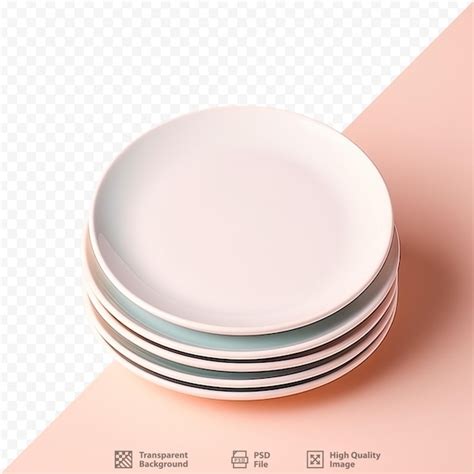
The foundation of any great food photo is the plate itself. Opt for neutral-colored plates (white, gray, or muted tones) that won’t compete with your food. Consider the shape and size – smaller plates can make portions look more generous, while interesting shapes can add a modern touch. Beyond the plate, think about your background. A simple wooden table, a clean tablecloth, or a plain countertop can provide a cohesive backdrop that allows your food to shine without distractions.
Master the Art of Arrangement and Composition
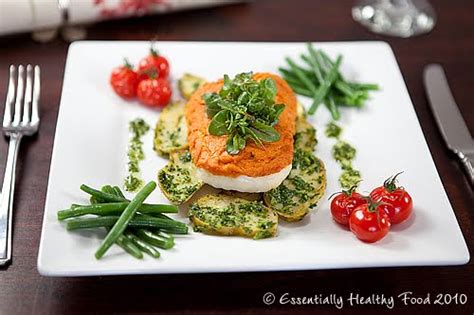
Once you have your canvas, it’s time to arrange your ingredients. Think of your plate as a clock face: place proteins around 6 or 7 o’clock, starches around 10 or 11 o’clock, and vegetables in between. Employ the “rule of odds” by arranging elements in odd numbers (e.g., three asparagus spears instead of two). Create a clear focal point – this is usually the main protein or the most visually appealing element – and build around it. Don’t be afraid of negative space; it allows the eye to rest and highlights your main subject.
Layering is another crucial technique. Instead of a flat pile, create height and dimension. For example, lean elements against each other or stack them artfully. This adds interest and makes the dish look more dynamic and appealing in photographs.
Add Life with Texture and Garnish
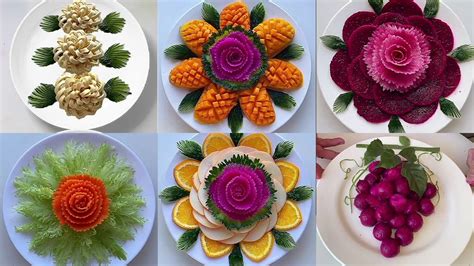
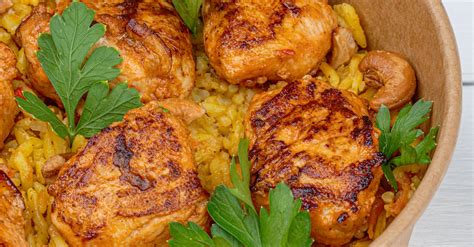
Garnishes aren’t just for restaurants; they’re essential for adding visual appeal and freshness. Fresh herbs like parsley, cilantro, or dill can add a pop of color and texture. A sprinkle of flaky sea salt, a drizzle of olive oil, or a swirl of sauce can create enticing patterns and sheen. Consider toasted nuts, sesame seeds, or a wedge of citrus for added visual interest and a hint of extra flavor. Edible flowers can also elevate a dish from everyday to extraordinary.
Embrace Color and Contrast
Color is a powerful tool in food photography. Aim for a variety of colors on your plate to make it visually engaging. Think about complementary colors – red tomatoes with green basil, orange carrots with purple cabbage. Even monochromatic dishes can be stunning if you play with different shades and textures. Contrast also comes from light and dark elements; a dark sauce on a light protein, or vibrant vegetables against a neutral background, can make your food truly pop.
The Finishing Touches Make All the Difference
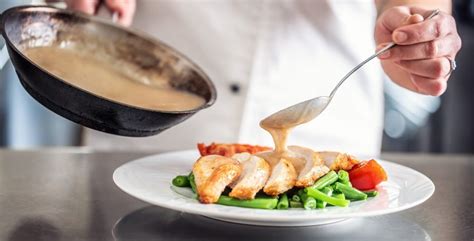
Before you snap that photo, take a moment for critical inspection. Wipe any smudges or spills from the rim of the plate with a clean cloth. Ensure all elements look fresh and vibrant. If you’re using sauces, apply them carefully with a spoon or squeeze bottle for precision. Think about the angle from which you’ll photograph the dish – sometimes a direct overhead shot works best, while other times a slightly angled view captures height and dimension better. Good natural light is your best friend for food photography, so try to plate near a window. A little attention to detail goes a long way in transforming a good plate into a great photograph.

Conclusion: Practice and Experiment
Elevating your everyday plating is a skill that improves with practice. Start by experimenting with one or two techniques at a time. Pay attention to how professional chefs and food stylists arrange their dishes, and don’t be afraid to try new things. Soon, you’ll be creating visually stunning meals that are as enjoyable to look at as they are to eat, making every home-cooked dish Instagram-worthy.