How to elevate recipes for max flavor & stunning visual appeal?

Introduction: Beyond Basic Bites
Transforming a good dish into an unforgettable culinary experience requires more than just following a recipe; it demands an understanding of how to maximize both taste and aesthetic appeal. This guide will walk you through essential techniques to elevate your cooking, ensuring every dish is a feast for the senses.
Mastering Flavor Enhancement
1. Start with Quality Ingredients
The foundation of any exceptional dish lies in the freshness and quality of its components. Opt for seasonal produce, ethically sourced meats, and premium pantry staples. High-quality ingredients inherently possess deeper, more nuanced flavors that require less manipulation to shine.
2. Layering and Depth
Flavor elevation is often about building complexity. Think about how different ingredients interact at various stages of cooking. Sauté aromatics before adding other vegetables, deglaze pans to capture rich fond, and incorporate different textures and tastes throughout the process. This creates a multi-dimensional flavor profile that keeps the palate engaged.

3. Embrace Acidity and Umami
These two elements are game-changers for flavor. A squeeze of lemon or lime, a splash of vinegar, or a dollop of yogurt can brighten heavy dishes and cut through richness. Umami-rich ingredients like mushrooms, Parmesan cheese, soy sauce, and tomato paste add a savory depth that makes food incredibly satisfying and moreish.
4. Strategic Seasoning and Finishing Touches
Seasoning isn’t just about salt and pepper at the beginning. It’s an ongoing process. Taste and adjust throughout cooking. For a final flourish, a sprinkle of flaky sea salt, a drizzle of high-quality extra virgin olive oil, or a scattering of fresh herbs right before serving can dramatically enhance taste and aroma.
The Art of Visual Appeal
1. Color, Contrast, and Texture
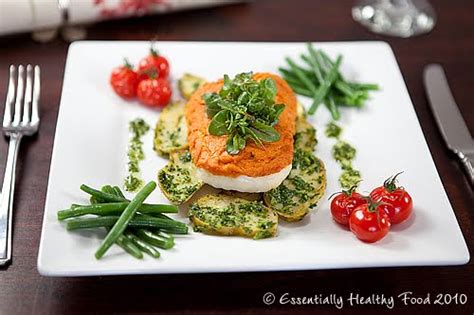
A visually stunning dish is a symphony of colors, textures, and shapes. Aim for a variety of hues – think vibrant greens, deep reds, and golden browns. Contrast is key; a smooth puree next to a crunchy element, or a light sauce against a dark protein. These elements make a dish more inviting and appetizing.
2. Thoughtful Plating Fundamentals
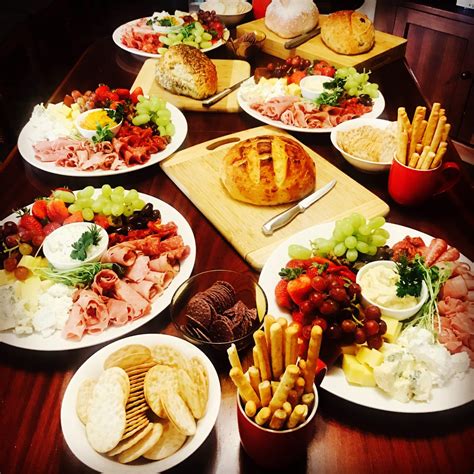
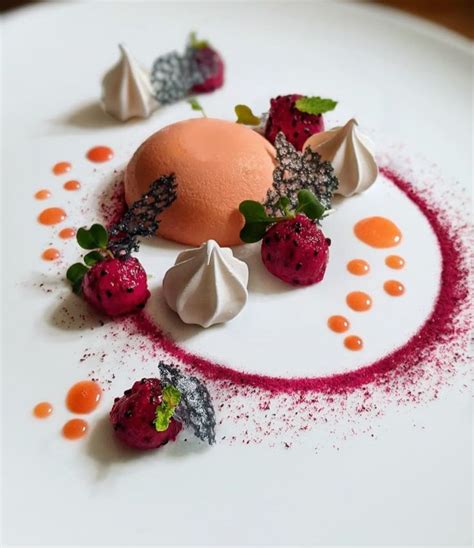
Think of your plate as a canvas. Start with a clean plate and consider the ‘rule of thirds’ or creating a focal point. Avoid overcrowding; negative space is crucial for elegance. Build height with elements like stacked vegetables or proteins, but ensure stability. A simple swish of sauce or a deliberate placement of components can make a huge difference.
3. Garnishes and Edible Art
Garnishes are not just for decoration; they should complement and enhance the dish’s flavor. Fresh herbs (parsley, cilantro, dill), citrus zest, toasted nuts, edible flowers, or a sprinkle of paprika can add a final pop of color and freshness. Ensure garnishes are fresh, neatly cut, and strategically placed.
4. Strategic Sauces and Drizzles
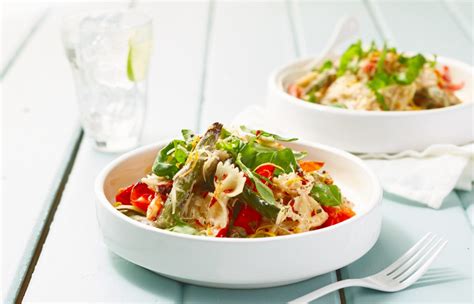
A well-placed sauce can unify a dish and add visual intrigue. Whether it’s a vibrant coulis, a rich demi-glace, or a simple infused oil, consider how it will be applied. A delicate drizzle, a controlled smear, or a pool under a main component can elevate the dish’s aesthetic dramatically. Use squeeze bottles or spoons for precision.
Conclusion: Cook with Intention
Elevating your recipes is an exciting journey that combines culinary skill with artistic vision. By focusing on both flavor depth through quality ingredients and thoughtful techniques, and visual appeal through careful plating and garnishing, you can transform everyday meals into extraordinary dining experiences. Experiment, taste, and most importantly, enjoy the process of creating delicious and beautiful food.