How to elevate simple, fresh ingredients into visually stunning plates?
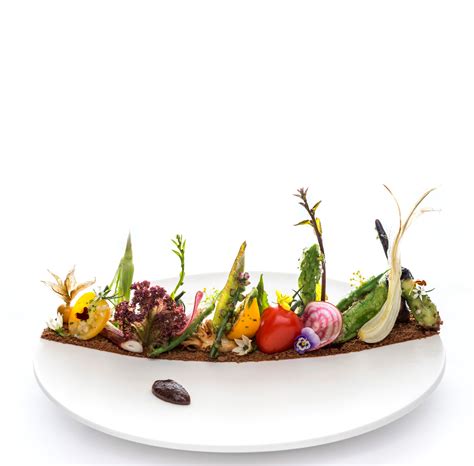
The Art of Visual Gastronomy: Beyond Taste
While the taste of food is paramount, its visual appeal plays an equally crucial role in the dining experience. A beautifully plated dish tantalizes the eyes, setting expectations and enhancing the overall enjoyment even before the first bite. The good news is that you don’t need exotic ingredients or advanced culinary degrees to create stunning plates. With a little creativity and attention to detail, simple, fresh ingredients can be transformed into culinary masterpieces.
Start with Impeccable Ingredients and Precision
The foundation of any visually appealing dish lies in the quality of its components. Always opt for the freshest ingredients available – vibrant produce, high-quality proteins, and fragrant herbs. Their natural colors and textures are your best assets. Once you have your ingredients, precision in preparation is key. Uniform cutting ensures even cooking and a cohesive look. Think about julienning vegetables, dicing onions consistently, or slicing proteins with clean edges. These small details make a significant impact on the final presentation.
Mastering Color and Contrast
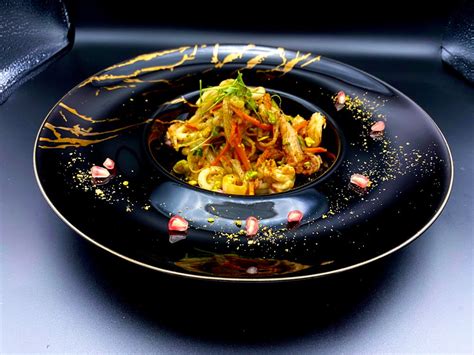
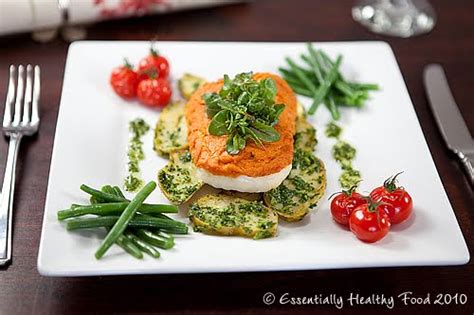
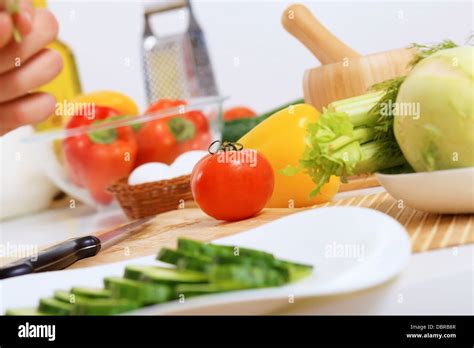
Color is perhaps the most immediate visual cue. A plate that lacks color variety can appear dull and unappetizing. Strive for a balanced palette by incorporating ingredients of different hues. For instance, bright green herbs, crimson tomatoes, and yellow bell peppers can add a burst of life to an otherwise monochromatic dish. Use contrasting colors to make elements pop – a vibrant green pesto drizzled over creamy pasta, or a scattering of ruby-red pomegranate seeds on a white dessert. Think of your plate as a canvas and your ingredients as paint.
Playing with Texture and Height
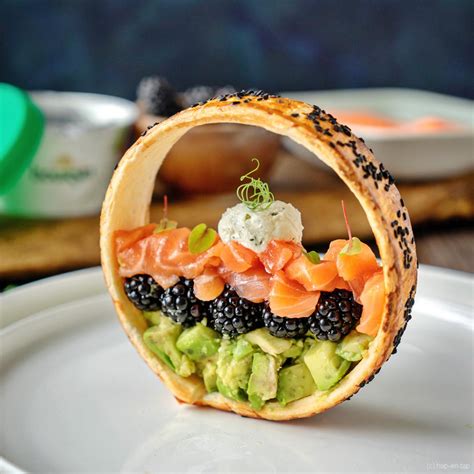
A visually engaging dish offers a variety of textures, inviting the diner to explore. Combine soft elements with crispy ones, smooth with crunchy. This adds interest not just to the palate but also to the eye. Equally important is adding height to your plate. Instead of spreading all components flat, stack elements strategically. Think about building a small tower with roasted vegetables, leaning a protein against a purée, or creating a nest of pasta. Height creates a dynamic, three-dimensional effect that elevates the dish from ordinary to elegant.

The Art of Arrangement and Negative Space
How you arrange your ingredients on the plate is crucial. Avoid overcrowding; less is often more. Give each component room to breathe, allowing its individual beauty to shine. Consider the rule of thirds or a circular arrangement, placing your focal point slightly off-center for a more artistic composition. Negative space – the empty areas on your plate – is just as important as the food itself. It guides the eye to the main elements and prevents the dish from looking chaotic. A clean, uncluttered presentation speaks volumes.

The Finishing Touches: Garnishes, Sauces, and Oils
Once your main components are arranged, the final touches bring the plate to life. Garnishes should be edible and complement the dish’s flavors, not just sit there as decoration. A sprig of fresh herbs, a sprinkle of toasted nuts, microgreens, or a delicate edible flower can add an instant touch of sophistication. Sauces and oils can be used creatively – a deliberate swirl, a delicate drizzle, or a pool beneath the main ingredient. These elements add color, moisture, and a professional sheen that truly elevates the presentation.
From Plateware to Palate: A Holistic Experience
Don’t overlook the importance of your plateware. Choose dishes that complement your food – simple white plates often make vibrant ingredients pop, while rustic stoneware can enhance a comforting dish. Consider the size and shape of the plate to ensure your food isn’t dwarfed or squeezed. Ultimately, elevating your plating skills is a journey of practice, observation, and personal expression. Pay attention to how chefs plate food in restaurants, experiment with different arrangements at home, and allow your creativity to flourish. With these techniques, you’ll soon be transforming humble ingredients into visually stunning plates that delight both the eye and the palate.