How to elevate simple recipes with creative garnishes for peak visual appeal?

In the culinary world, we often eat first with our eyes. A beautifully presented dish, even if made from the simplest ingredients, can tantalize the senses and elevate the dining experience. While complex cooking techniques have their place, mastering the art of creative garnishing is an accessible and powerful way to transform ordinary meals into visually stunning masterpieces. It’s about adding that finishing touch that says, ‘I care about every detail of this meal.’
The Psychology Behind Visual Appeal in Food
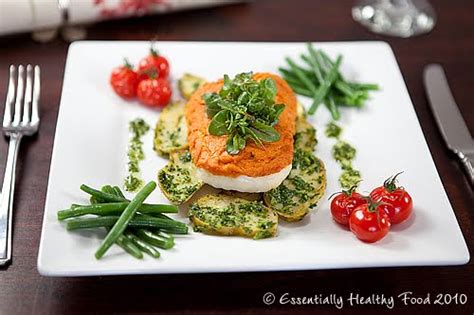
Our brains are wired to associate attractive food with freshness, quality, and taste. A dish that looks appealing stimulates appetite and enhances the perception of flavor. Think about it: a vibrant green sprinkle of fresh herbs on a creamy soup, or a perfectly placed citrus twist on a simple grilled fish, instantly makes the food seem more inviting and sophisticated. Garnishes aren’t just decorative; they play a crucial role in setting expectations and enriching the overall sensory experience.
Choosing the Right Garnish: Flavor, Color, and Texture
The best garnishes complement, rather than overpower, the main dish. Consider the following elements when selecting your garnish:
- Flavor: Does it enhance the existing flavors or introduce a pleasant contrast? Fresh herbs like parsley, cilantro, or chives are almost universally complementary. Citrus zest adds brightness.
- Color: Aim for contrast. If your dish is monochromatic, add a pop of vibrant color. Red chili flakes on a white pasta, or green chives on a yellow omelet, are classic examples.
- Texture: Garnishes can add an interesting textural component. Crunchy croutons on soup, toasted nuts on a salad, or crispy fried onions on a casserole can elevate the eating experience.
Creative Garnish Techniques for Everyday Recipes
1. Herb Harmony
Fresh herbs are perhaps the easiest and most effective garnishes. Don’t just chop and sprinkle; think about their form:
- Finely Chopped: A uniform sprinkle of parsley, cilantro, or chives adds fresh flavor and a vibrant green hue.
- Whole Leaves/Sprigs: A few strategically placed whole basil leaves on a Caprese salad or a small rosemary sprig on roasted vegetables adds elegance and aroma.
- Chiffonade: Stack herb leaves (like basil or mint), roll them tightly, and slice thinly crosswise for delicate ribbons, perfect for salads or desserts.

2. Citrus Zing and Zest
Lemon, lime, and orange can brighten almost any dish, both visually and gastronomically.
- Zest: Finely grated zest adds concentrated aroma and specks of bright color without adding much moisture.
- Wedges/Slices: A simple wedge of lemon or lime served alongside fish or tacos offers a visual cue for flavor and allows diners to add fresh juice.
- Twists/Spirals: Create elegant twists or spirals from citrus peel for cocktails or dessert plates.
3. Vegetable Ventures
Even humble vegetables can become stunning garnishes with a little creativity.
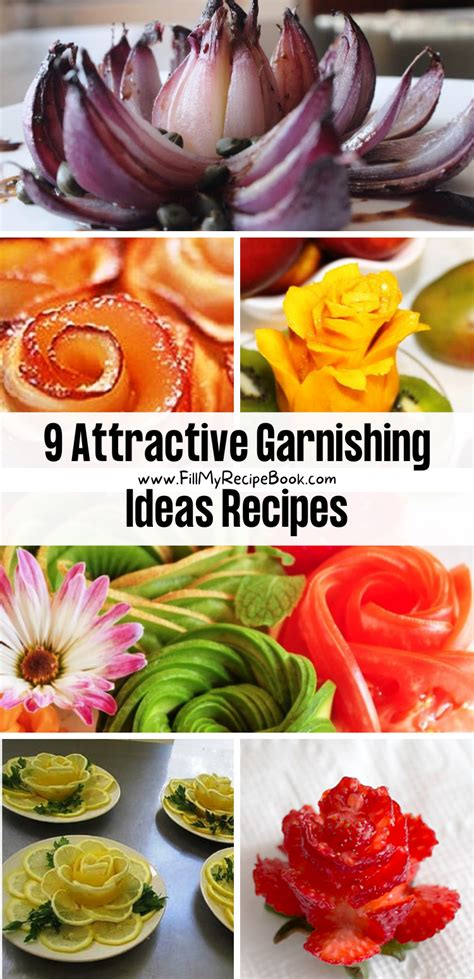
- Thinly Sliced Radishes or Cucumbers: Arrange them in overlapping patterns or create delicate rosettes.
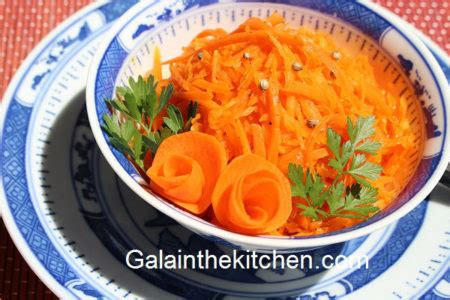
- Julienned Carrots or Bell Peppers: Add a colorful, crunchy element to stir-fries or soups.
- Carrot Ribbons: Use a vegetable peeler to create thin ribbons, then blanch or pickle them for added visual interest.
- Edible Flowers: Pansies, violas, or nasturtiums add delicate beauty and a touch of whimsy to salads, desserts, or even main courses.
4. Spice and Seed Sprinkles
A simple dusting or sprinkle can make a big impact.
- Smoked Paprika or Chili Powder: A light dusting can add warmth and color to egg dishes, hummus, or roasted vegetables.
- Toasted Seeds (Sesame, Poppy, Chia): Offer a textural crunch and earthy flavor. Sprinkle on salads, avocado toast, or baked goods.
- Cracked Black Pepper or Red Pepper Flakes: A coarse grind adds visual texture and a kick of flavor.
5. Drizzles and Swirls
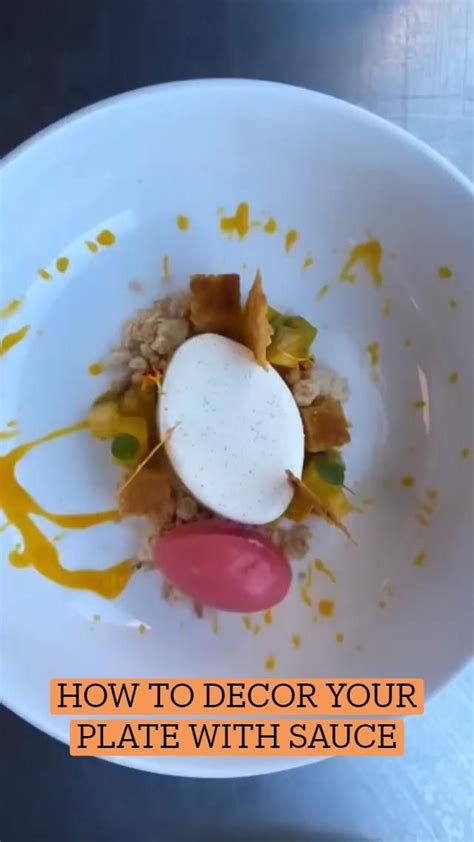
Sauces and oils can be used as a liquid garnish to create artistic patterns.
- Olive Oil: A finishing drizzle of high-quality extra virgin olive oil can enhance flavor and add a sheen.
- Balsamic Glaze: Drizzle in intricate patterns over Caprese salads, grilled meats, or even desserts.
- Pesto or Yogurt Sauce: Use a squeeze bottle or spoon to create dots, swirls, or parallel lines on plates with soups, purees, or main dishes.
Tips for Garnish Success
- Keep it Simple: Don’t overload the plate. One or two well-chosen garnishes are usually more effective than many.
- Consider the Plate: Use the plate as your canvas. Think about negative space and how the garnish complements the main dish’s arrangement.
- Freshness is Key: Always use fresh, vibrant ingredients for garnishes. Wilting herbs or dull vegetables detract from the appeal.
- Edible or Informative: Ideally, your garnish should be edible or at least signal an ingredient in the dish (e.g., a bay leaf in a stew, even if not eaten).
- Practice Makes Perfect: Experiment with different arrangements and techniques. You’ll soon develop an eye for what looks best.

Conclusion
Garnishing is a simple yet powerful tool in any home cook’s arsenal. By thoughtfully incorporating fresh herbs, vibrant citrus, colorful vegetables, or artful drizzles, you can transform the most basic recipes into visually stunning dishes that delight both the eyes and the palate. It’s an act of care, creativity, and a surefire way to elevate your everyday cooking from good to gourmet.