How to elevate simple recipes with stunning plating for visual feeds?
In today’s visually-driven world, a dish isn’t truly complete until it looks as good as it tastes. For home cooks and culinary enthusiasts keen on sharing their creations on social media, transforming simple recipes into stunning visual feasts is an invaluable skill. Elevating your plating can turn an ordinary weeknight meal into a showstopper, captivating your followers and adding a professional touch to your culinary repertoire. This guide will walk you through techniques to master the art of food presentation, ensuring your dishes are always ready for their close-up.
The Foundation: Choose Your Canvas Wisely
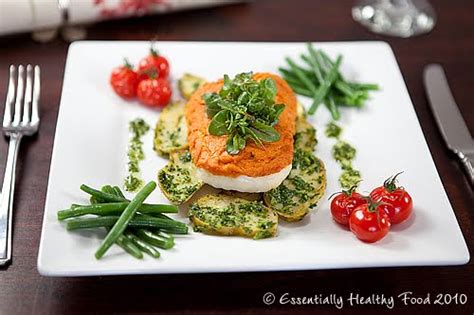
The plate itself is your canvas, and its choice significantly impacts the final presentation. Opt for neutral-colored plates (white, black, or grey) as they make the food’s colors pop without competing. Consider the shape and size: round plates are classic, but square or rectangular ones can offer a modern edge. Ensure the plate isn’t too large, which can make portions look sparse, or too small, leading to an overcrowded mess. The goal is to provide enough negative space to highlight your food, allowing it to breathe and be the undisputed star.

Mastering the Art of Arrangement
Arrangement is where creativity truly shines. Think about creating a focal point and guiding the viewer’s eye. The “rule of thirds” from photography can be applied here: imagine dividing your plate into nine equal sections and place your main components along the lines or at their intersections. Create height by stacking ingredients or leaning them against each other – this adds dimension and visual interest. Avoid scattering ingredients aimlessly; instead, arrange them deliberately to form a cohesive picture. Balance is key; you want harmony without perfect symmetry, allowing for a more dynamic and organic feel.
Consider the “clock face” method: proteins at 6 o’clock, starches at 10 o’clock, and vegetables at 2 o’clock, though this is a guideline, not a strict rule. Play with different angles and layers. For example, fan sliced components or arrange them in an overlapping pattern to create movement.
Color, Texture, and Contrast: A Symphony for the Eyes
A visually appealing dish boasts a vibrant array of colors and a delightful interplay of textures. Think beyond just the main ingredient. If your dish is largely monochromatic, introduce elements of contrasting color. A sprinkle of fresh green herbs on a rich red sauce, or a bright citrus zest on a creamy white dessert, can make all the difference. Textures add another layer of sensory appeal. Combine soft with crunchy, smooth with crisp. Think about adding toasted nuts for crunch, a delicate foam for lightness, or a crispy fried element to a soft purée.
Contrast also extends to temperature and flavor, though visually, it’s about making components stand out. A dark sauce on a light plate, a brightly colored garnish on a muted main, or jagged lines next to smooth curves—these contrasts draw the eye and make the dish more engaging.
The Power of the Garnish
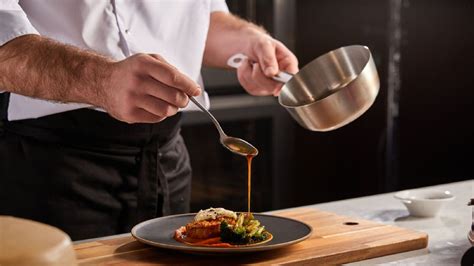
Garnishes are the jewels of your plated dish, offering the final touch of elegance and flair. They should always be edible and complement the flavors of the dish. Fresh herbs like parsley, cilantro, or chives are classic choices, adding color and freshness. Edible flowers can bring a delicate beauty, while a drizzle of olive oil, balsamic glaze, or a swirl of crème fraîche can add both visual appeal and moisture. A dusting of paprika, cocoa powder, or powdered sugar can create a striking finish for savory and sweet dishes, respectively.
Remember, less is often more when it comes to garnishing. A sparse, thoughtfully placed garnish is far more effective than an overcrowded one. The garnish should enhance, not overpower, the main components of your dish.
Cleanliness and Presentation: The Finishing Touches
Even the most perfectly arranged food can be ruined by smudges or drips on the plate’s rim. Before serving or photographing, always take a moment to meticulously wipe the edges of your plate with a clean, damp cloth or paper towel. This small detail screams professionalism and attention to detail. For visual feeds, lighting is paramount. Natural light is almost always best; avoid harsh overhead lights or direct sunlight which can create unflattering shadows. Position your plate near a window and experiment with angles to find the most flattering shot.
Finally, practice makes perfect. Don’t be discouraged if your first attempts aren’t Michelin-star worthy. Experiment with different ingredients, arrangements, and garnishes. Over time, you’ll develop an intuitive sense of what works well together, both in terms of flavor and visual appeal. Enjoy the creative process, and watch as your simple recipes transform into stunning culinary masterpieces, ready to impress any audience, online or off.