How to enhance a dish’s visual appeal using plating, garnishes & lighting?

In the culinary world, they say we eat first with our eyes. The visual presentation of a dish is just as crucial as its taste, aroma, and texture. A beautifully plated dish can elevate the dining experience, whet the appetite, and even influence perception of flavor. Mastering the art of visual appeal involves understanding the principles of plating, the strategic use of garnishes, and the transformative power of lighting. Let’s explore how to turn every meal into a feast for the eyes.
Mastering Plating Techniques
Plating is the artistic arrangement of food on the plate. It’s about creating balance, focus, and visual interest.
The Rule of Thirds and Asymmetry
Just like in photography, applying the rule of thirds can create dynamic and appealing compositions. Imagine dividing your plate into a 3×3 grid; place key elements at the intersections. Asymmetry often looks more natural and less forced than perfect symmetry.
Height and Dimension
Flat food is rarely exciting. Introduce height by stacking ingredients, creating layers, or leaning elements against each other. A mound of risotto, a perfectly stacked burger, or a tower of vegetables adds a professional touch.
Cleanliness and Negative Space
A pristine plate edge is paramount. Wipe away any drips or smudges before serving. Negative space – the empty areas on the plate – is as important as the food itself, allowing the main elements to breathe and stand out without looking cluttered.
Color, Texture, and Contrast
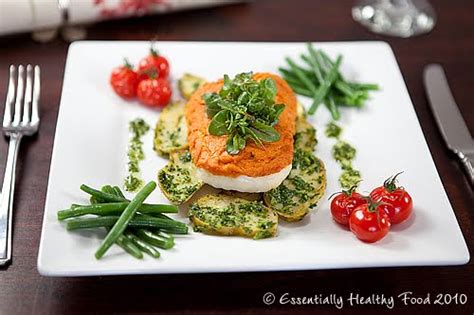
Think about the colors and textures of your ingredients. Aim for variety. A dish dominated by a single color can appear monotonous. Introduce contrasting colors (e.g., vibrant green herbs on a rich red tomato sauce), and different textures (crisp, creamy, soft) to make the plate more engaging.
The Art of Thoughtful Garnishing
Garnishes aren’t just an afterthought; they are integral to a dish’s visual (and sometimes flavor) enhancement. They should always complement the dish, not overpower it.
Purpose-Driven Garnishes
Every garnish should have a purpose: adding a pop of color, a contrasting texture, a fresh aroma, or a hint of additional flavor. Avoid garnishes that don’t belong or aren’t edible.
Types of Garnishes
- Fresh Herbs: Parsley, cilantro, dill, chives, mint – a sprig or finely chopped adds freshness and color.
- Citrus Zest/Slices: Lemon, lime, orange can brighten flavors and add vibrant color.
- Edible Flowers: Pansies, violas, nasturtiums offer delicate beauty and subtle flavors.
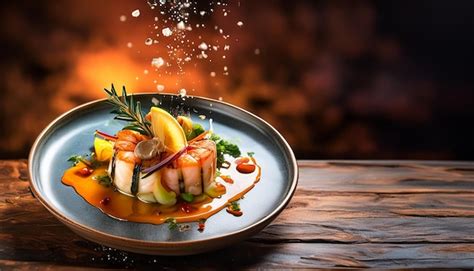
- Sauce Swirls/Dots: A drizzle of balsamic glaze, a swirl of crème fraîche, or dots of purée can add artistic flair and depth.
- Spices/Dusts: A sprinkle of paprika, cocoa powder (for desserts), or finely ground nuts can create visual intrigue.

Less Is More
Over-garnishing can make a dish look messy and unprofessional. A few well-placed garnishes are far more effective than a heap. Think minimalist elegance.
Leveraging Lighting for Maximum Impact
Even the most perfectly plated and garnished dish can fall flat under poor lighting. Understanding how light interacts with food is key, especially for sharing photos of your culinary creations.
Natural Light is Your Best Friend
Whenever possible, use natural light. Position your dish near a window, but avoid direct sunlight, which can create harsh shadows and blow out highlights. Diffused natural light provides a soft, even glow that makes food look vibrant and appealing.
Directional Lighting
Light coming from the side or slightly behind the dish (backlighting) often works best. It highlights textures, creates depth, and can make sauces or liquids glisten beautifully. Avoid harsh overhead lighting, which flattens the appearance of food and casts unattractive shadows.
Softness and Diffusion
If natural light isn’t available or is too harsh, use artificial light with a diffuser (like parchment paper or a white sheet) to soften it. A softbox or even a simple white board used as a reflector can dramatically improve the quality of light, filling in shadows and adding a gentle glow.
Bringing It All Together for Stunning Presentation
Enhancing a dish’s visual appeal is a continuous learning process. It requires observation, practice, and a keen eye for aesthetics. Start by paying attention to presentations in restaurants, cookbooks, and food blogs. Experiment with different arrangements, garnishes, and lighting conditions in your own kitchen.
Remember that the goal is not just to make the food look good, but to tell a story and entice the diner. A visually appealing dish signals care, quality, and passion, making the entire eating experience more enjoyable and memorable. With a little practice, you’ll be transforming ordinary meals into extraordinary culinary masterpieces that delight all the senses.