How to enhance dish color & texture for vibrant, eye-catching food photography?

The Art of Visual Gastronomy
In the age of social media and visual storytelling, a dish isn’t truly complete until it’s been beautifully captured. Food photography goes beyond mere documentation; it’s about evoking emotion, telling a story, and making viewers crave what they see. The secret to captivating food photography often lies in mastering two fundamental elements: color and texture. When enhanced effectively, these attributes can elevate a simple meal into an irresistible visual feast.
Understanding and Maximizing Color Appeal
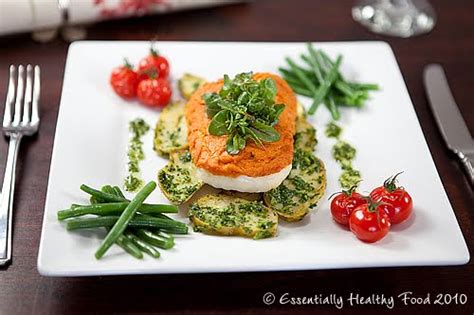
Color is the first thing that grabs attention. Vibrant, fresh colors communicate freshness, flavor, and health. To enhance a dish’s color, start with the freshest ingredients possible. Naturally colorful vegetables, fruits, and herbs are your best allies. Think about contrasting colors; a bright red tomato against a green basil leaf, or a yellow lemon zest over a dark chocolate cake. Use garnishes strategically to introduce pops of color – a sprinkle of chopped chives, a swirl of brightly colored sauce, or a few edible flowers can make a significant difference.
Consider the color temperature of your lighting. Warm lighting can enhance golden tones, while cooler light might bring out blues and greens. White balance in your camera settings is crucial to render colors accurately. Avoid overcooking vegetables, which can dull their natural hues. Instead, aim for al dente preparations that maintain crispness and vivid color.
Bringing Dishes to Life with Texture
Texture adds depth, interest, and a sense of realism to your food photographs. It communicates whether something is crunchy, creamy, flaky, or smooth, inviting the viewer to imagine the sensation of eating it. To highlight texture, look for contrasts within your dish. A beautifully seared crust on a steak juxtaposed with its tender, pink interior; the delicate layers of a croissant; or the glistening seeds of a pomegranate.
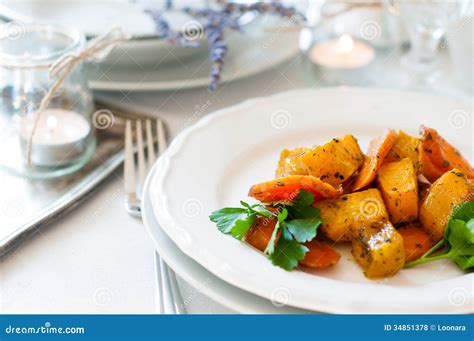
Strategic brushing with oil or butter can create a desirable sheen, making elements like roasted vegetables or baked goods look more appealing. A light dusting of powdered sugar on pastries or a drizzle of syrup can emphasize fine textures. For crunchy elements, ensure they are visible – a pile of crispy fried onions, a scattering of nuts, or delicate microgreens adding a fresh, delicate dimension.
Plating for Photographic Perfection
How you arrange food on the plate dramatically impacts its visual appeal. Thoughtful plating can enhance both color and texture. Employ principles like the rule of thirds, leaving negative space to let the hero elements shine. Build height and dimension; don’t flatten your food. Stack ingredients artfully, allowing different components to peek through, showcasing their unique colors and textures.
Use clean, simple plates that don’t distract from the food. White or neutral-colored dishes often work best as they provide a blank canvas, allowing the colors of your dish to pop. Wiping the edges of the plate clean before shooting is a small but critical detail that adds professionalism to your photographs.
Lighting and Post-Processing for Enhanced Results
Good lighting is paramount for revealing the true colors and textures of your food. Soft, diffused natural light is often preferred, coming from the side or slightly behind the dish to create appealing shadows that define texture. Avoid harsh overhead lighting which can flatten the image and create unflattering glares.
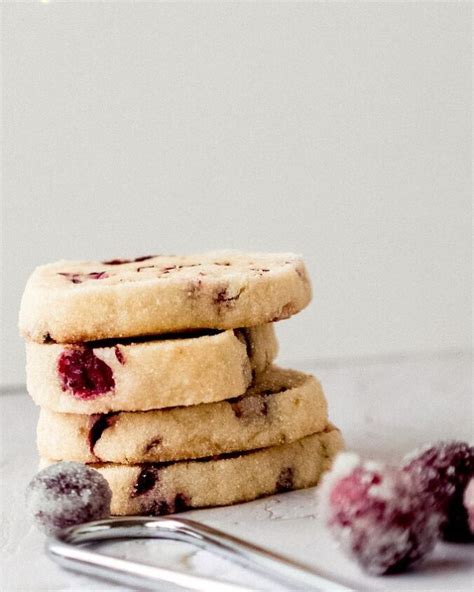
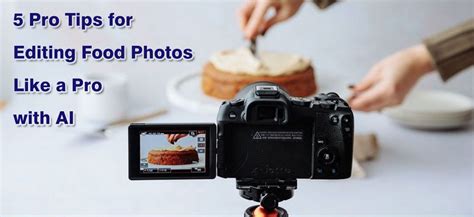
Finally, post-processing is where you can fine-tune your enhancements. A slight boost in saturation and vibrance can make colors more vivid without looking artificial. Adjusting contrast can bring out details in textures, while a touch of sharpening can make edges crisp. Always aim for a natural look; over-editing can make the food appear unappetizing. Pay attention to white balance to ensure your colors are true to life. A slight crop can also help compose the shot more effectively, drawing the viewer’s eye to the most appealing aspects of your dish.
Conclusion
Mastering the enhancement of dish color and texture is an invaluable skill for any food photographer or enthusiast. It involves a blend of culinary knowledge, artistic plating, strategic lighting, and careful post-processing. By paying close attention to these elements, you can transform your food photography from merely good to truly spectacular, creating images that are not just seen, but felt and desired.