How to enhance food’s natural colors for captivating recipe visuals?
The Art of Vibrant Visuals in Recipe Photography
In the world of culinary arts, presentation is nearly as crucial as taste. A dish that looks appealing can instantly whet the appetite and inspire someone to try your recipe. One of the most impactful elements of visual appeal is color. Naturally vibrant food colors not only signify freshness and health but also add a professional, mouth-watering touch to your recipe visuals. This article explores practical techniques to enhance and preserve your food’s inherent beauty, turning every plate into a captivating masterpiece.
Choosing and Preparing Ingredients for Maximum Hue
The foundation of vibrant food visuals begins long before cooking: it starts with selecting the best quality ingredients. Always opt for produce that looks fresh, firm, and boasts its characteristic rich color. For instance, choose deep red tomatoes, bright green spinach, and intensely colored berries. Freshness directly correlates with color intensity.
Proper storage is also key. Store vegetables and fruits in appropriate conditions to maintain their pigment. Exposure to air, light, and improper temperatures can degrade color over time.
Mastering Cooking Techniques for Color Preservation
How you cook your ingredients significantly impacts their final color. Different techniques can either intensify, preserve, or unfortunately, diminish natural hues.
- Blanching: For green vegetables like broccoli, asparagus, or green beans, blanching is your best friend. A quick dip in boiling, salted water followed immediately by an ice bath brightens greens and sets their color, preventing them from turning dull or olive green.
- Roasting and Searing: These methods caramelize natural sugars, creating rich, deep golden browns and enhancing the natural pigments of vegetables like carrots, sweet potatoes, and bell peppers. High heat and minimal moisture are crucial for achieving these desired effects without overcooking.
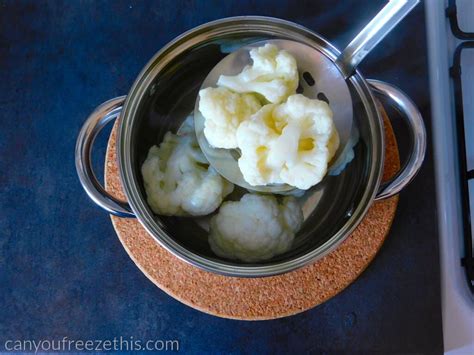
- Steaming: A gentle cooking method that helps retain the natural colors of many vegetables while preserving nutrients. Avoid over-steaming, which can lead to dullness.
- Using Acids: A squeeze of lemon juice or a dash of vinegar at the right moment can help set colors, especially in red and purple foods like beets, red cabbage, and berries, preventing them from bleeding or fading.
The Art of Plating and Garnishing
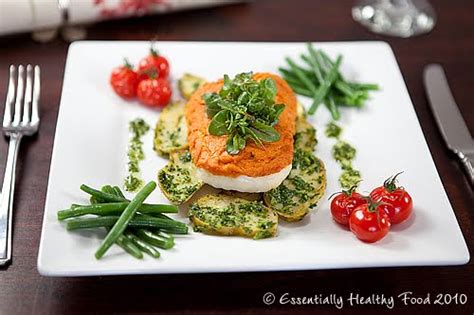
Once cooked, strategic plating and thoughtful garnishes can elevate your dish’s visual appeal dramatically. Think about contrast and complementary colors.
- Fresh Herbs: A sprinkle of fresh, vibrant green herbs like parsley, cilantro, or chives not only adds flavor but also a pop of contrasting color against many dishes.
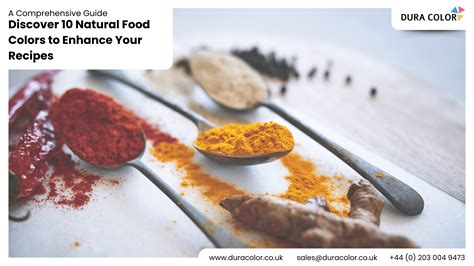
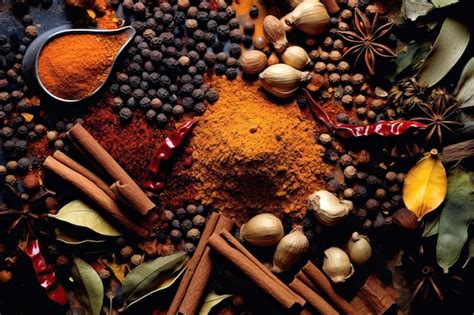
- Spices: Brightly colored spices such as paprika, turmeric, or chili powder can be used as a final garnish to add warmth and intensity.
- Citrus Zest: A fine grating of lemon, lime, or orange zest can provide a burst of color and a fresh aroma.
- Strategic Placement: Arrange ingredients to showcase their individual colors. Don’t hide vibrant elements under less colorful components. Create layers and textures that draw the eye.
Natural Enhancers and Avoiding Color Killers
While the goal is to enhance natural colors, certain ingredients can be used judiciously to boost the overall vibrancy without resorting to artificial means:
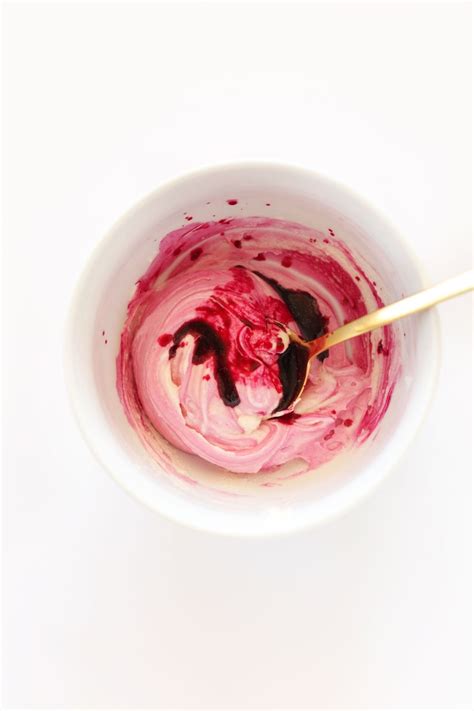
- Beetroot Juice/Powder: For pinks and reds in sauces or frostings.
- Spinach/Matcha Powder: For green hues.
- Turmeric/Saffron: For yellows and oranges.
Conversely, be mindful of factors that dull colors. Overcooking is the most common culprit, especially for vegetables, turning them mushy and drab. Excessive exposure to air or prolonged cooking at low temperatures can also lead to color degradation.
Leveraging Light for True-to-Life Hues
Even with the most colorful food, poor lighting can ruin your visuals. Natural, soft daylight is almost always the best option for food photography. It renders colors accurately and beautifully, making them appear as vibrant in the photograph as they do in person. Avoid harsh overhead lights or direct sunlight, which can create unflattering shadows and color casts.
Conclusion: The Feast for the Eyes
Enhancing food’s natural colors is an art that combines careful ingredient selection, precise cooking techniques, and thoughtful presentation. By paying attention to these details, you can transform your everyday meals and recipe visuals into truly captivating displays. Remember, a dish that looks good is often perceived as tasting even better, making these efforts well worth the culinary reward.