How to enhance recipe colors & textures for stunning visual foodie appeal?

The Art of Edible Aesthetics: Why Visuals Matter
In today’s visually-driven world, a dish isn’t truly complete until it looks as good as it tastes. Whether you’re a home cook aiming to impress dinner guests or a food blogger seeking to captivate an online audience, understanding how to enhance the colors and textures of your recipes is paramount. A vibrant, well-textured plate doesn’t just stimulate the appetite; it tells a story, promising a delicious experience before the first bite.
Cultivating Vibrant Colors: A Feast for the Eyes
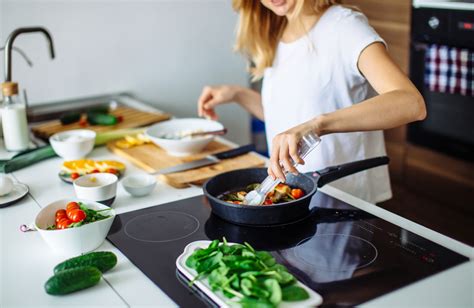
The first impression of any dish is often its color palette. Bright, contrasting colors instantly make food more appealing. To achieve this, start with high-quality, fresh ingredients. Naturally colorful produce like bell peppers, berries, leafy greens, and root vegetables are your best friends. Preserve their natural vibrancy by avoiding overcooking, which can dull colors and textures alike. Blanching vegetables briefly then shocking them in ice water is an excellent technique to lock in bright green hues.
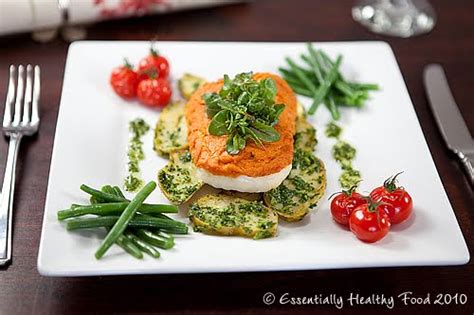
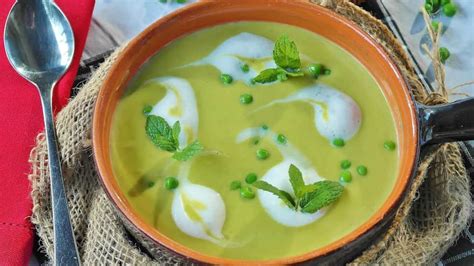
Consider color combinations when plating. A monochromatic dish can be elegant, but a touch of contrast, like a sprinkle of fresh herbs on a creamy soup or a brightly colored sauce drizzled over a main course, can elevate the visual appeal dramatically. Acidic ingredients like lemon juice or vinegar can also help maintain or even brighten certain colors, especially in fruits and vegetables.
Mastering Textures: Engaging More Than Just the Palate
Beyond color, texture is the unsung hero of food presentation. A dish with varied textures offers a more engaging and satisfying eating experience. Think about the pleasing crunch of croutons in a soft soup, the crisp skin on a roasted chicken, or the creamy contrast of avocado in a fresh salad. Achieving these textural contrasts requires deliberate cooking techniques.
- Crispiness & Crunch: Roasting, frying, or baking can achieve delightful crispness. Think toasted nuts, seeds, fried shallots, or perfectly roasted vegetables with caramelized edges.
- Creaminess & Smoothness: Purées, sauces, and dairy products like yogurt or crème fraîche add a luxurious mouthfeel. Blending ingredients until silky smooth is key here.
- Tenderness: Proper cooking times for meats, fish, and vegetables ensure they are tender without being mushy. Slow cooking or braising can yield incredibly tender results.
The Magic of Garnishes and Finishing Touches
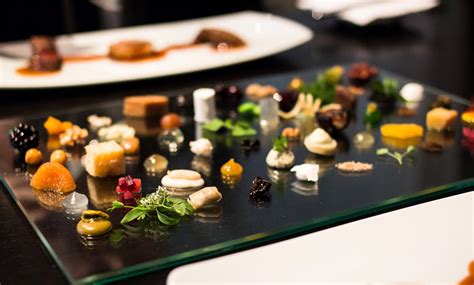
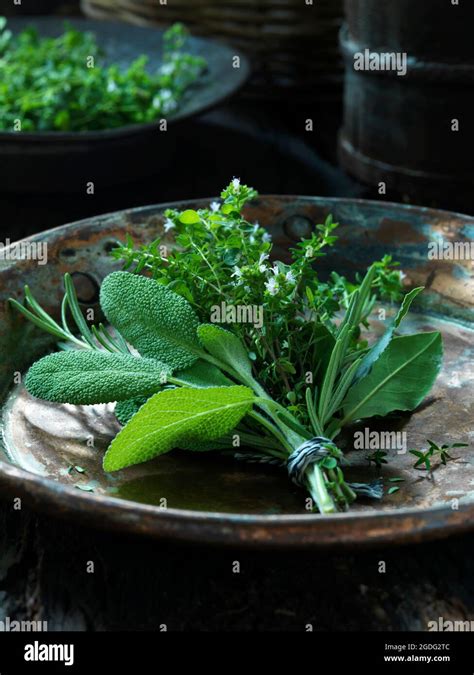
Often, the smallest additions make the biggest difference. Garnishes aren’t just decorative; they add a final flourish of color, texture, and sometimes even flavor. Fresh herbs like parsley, cilantro, or mint are classic choices, offering a pop of green and aromatic freshness. A sprinkle of chili flakes can add a vibrant red and a hint of heat. Toasted sesame seeds or chopped nuts bring a delicate crunch. Citrus zest provides a bright, zesty aroma and a subtle color contrast.
Don’t underestimate the power of a perfectly placed drizzle. A swirl of olive oil, a balsamic glaze, a dollop of crème fraîche, or a vibrant pesto can instantly transform a dish. These finishing touches not only enhance visual appeal but also layer additional flavors, making the dish truly gourmet.
Strategic Plating and Lighting: Beyond the Ingredients
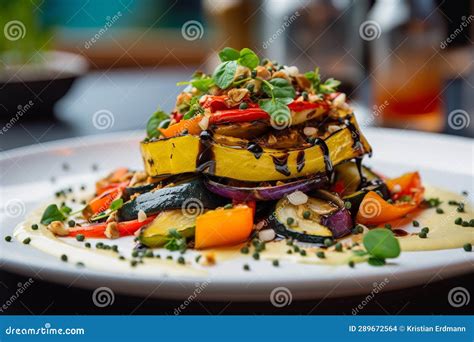
Once you’ve perfected your ingredients and cooking techniques, how you arrange the food on the plate is crucial. Think of your plate as a canvas. Aim for height, balance, and a clear focal point. Use clean plates, wipe off any drips, and avoid overcrowding. A sparse, artfully arranged dish often looks more sophisticated than one piled high.
Finally, good lighting can make any dish look more appetizing. Natural light is almost always best for food photography, enhancing colors and textures without harsh shadows. Position your dish near a window, use diffusers if needed, and experiment with angles. Even for home dining, thoughtful lighting can create an inviting ambiance that highlights your culinary efforts.
Conclusion: Crafting an Unforgettable Visual Experience
Enhancing the colors and textures of your recipes is an ongoing journey of culinary creativity. By focusing on fresh ingredients, employing smart cooking techniques, adding thoughtful garnishes, and paying attention to plating and lighting, you can transform ordinary meals into extraordinary visual feasts. Remember, the goal is not just to feed the body, but to delight the senses, creating memorable dining experiences that are as stunning to behold as they are delicious to taste.