How to ensure ingredients retain vibrant colors through cooking for better recipe visuals?
The Art of Vibrant Cooking: Making Your Dishes Pop
In the world of culinary arts, presentation is nearly as important as taste. A dish that looks vibrant and fresh instantly whets the appetite, making it a feast for the eyes before it even reaches the palate. However, cooking often dulls the natural brilliance of ingredients, turning crisp greens into drab olives and bright reds into muted browns. Understanding the science behind color degradation and employing smart cooking techniques can help you preserve the dazzling hues of your ingredients, elevating your recipe visuals dramatically.
The key to retaining vibrant colors lies in minimizing the factors that cause fading: overcooking, oxidation, and unfavorable pH levels. Different pigments react uniquely to heat and acidity, requiring tailored approaches.
Blanching and Shocking: The Green Revolution
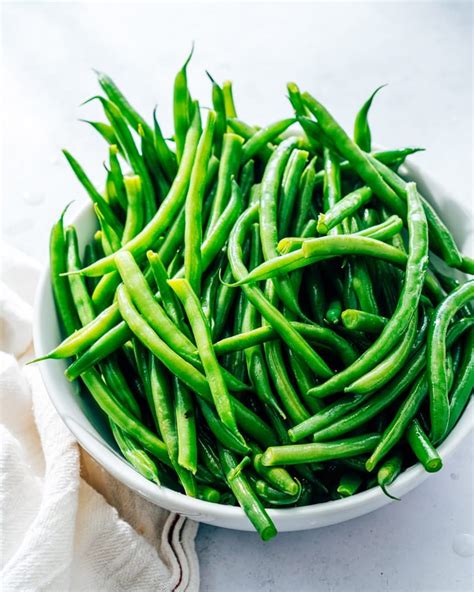
For green vegetables like broccoli, spinach, asparagus, and green beans, blanching and shocking is your secret weapon. Chlorophyll, the pigment responsible for green colors, is sensitive to prolonged heat and acid. Blanching involves quickly cooking vegetables in boiling, salted water for a very short period (30 seconds to 2 minutes) until they are tender-crisp. This intense, brief heat brightens the chlorophyll by driving out trapped air and activating enzymes.
Immediately after blanching, plunge the vegetables into an ice bath (the “shocking” part). This stops the cooking process instantly, preventing overcooking and preserving the bright green hue. Without shocking, residual heat continues to cook the vegetables, leading to dullness and mushiness.
Mastering pH: Acid, Alkali, and Color Chemistry
The pH of your cooking environment plays a crucial role in color retention:
- Acids (Lemon Juice, Vinegar): Acids help stabilize red and purple pigments (anthocyanins) found in foods like red cabbage, berries, and beets. Adding a splash of acid to the cooking water can prevent these colors from turning blue or dull. However, acids can turn green vegetables drab, so avoid them when cooking greens.
- Alkalis (Baking Soda): While a pinch of baking soda can sometimes brighten greens by reacting with chlorophyll, it can also make vegetables mushy and destroy water-soluble vitamins. Use with extreme caution and sparingly, if at all, for greens. It’s generally best avoided for color preservation due to its detrimental effects on texture and nutrients.
Smart Cooking Techniques for Every Color
Quick Cooking and High Heat
Minimizing cooking time is paramount. Overcooking breaks down cell walls and pigments, leading to dull, faded colors. Methods like stir-frying, steaming, and quick sautéing are excellent for preserving vibrancy because they expose ingredients to heat for shorter durations.
Avoid Overcrowding
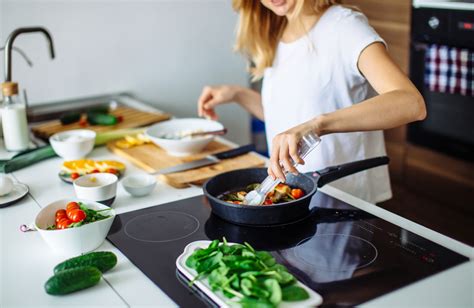
When stir-frying or sautéing, cook in batches if necessary. Overcrowding a pan lowers the temperature, causing ingredients to steam rather than sear, which can lead to longer cooking times and less vibrant results.
Use Minimal Water
For vegetables that are boiled, use just enough water to cook them, or even better, steam them. Water-soluble pigments and nutrients can leach out into excessive cooking water, dulling both color and flavor.
Specific Ingredient Strategies:
- Greens (Broccoli, Spinach, Asparagus): Blanch and shock, steam, or quick sauté. Avoid prolonged boiling or acidic environments.
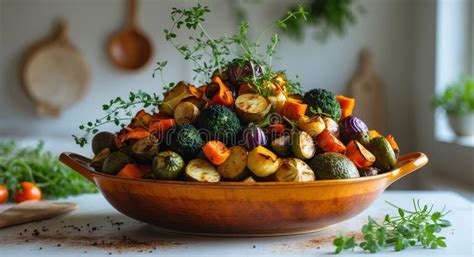
- Reds/Oranges (Carrots, Bell Peppers, Tomatoes, Sweet Potatoes): Roasting at high temperatures caramelizes natural sugars and concentrates flavors and colors. Quick sautéing also works well. A touch of acid can enhance red tones in some dishes.
- Purples (Red Cabbage, Beets, Eggplant, Berries): For red cabbage, adding an acidic element (like apple cider vinegar) during cooking helps maintain its beautiful purple hue. Beets retain their color well when roasted or boiled with their skin on.
- Whites (Cauliflower, Potatoes, Mushrooms, Onions): To prevent browning or grayish discoloration, especially in potatoes and cauliflower, add a squeeze of lemon juice or a dash of vinegar to the cooking water or during preparation.
Post-Cooking Care and Plating
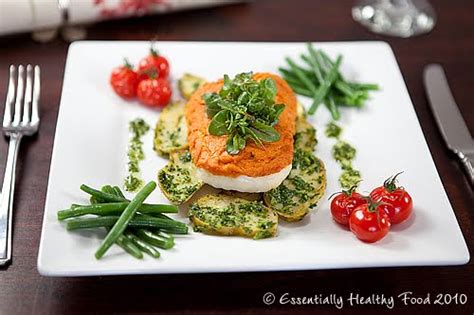
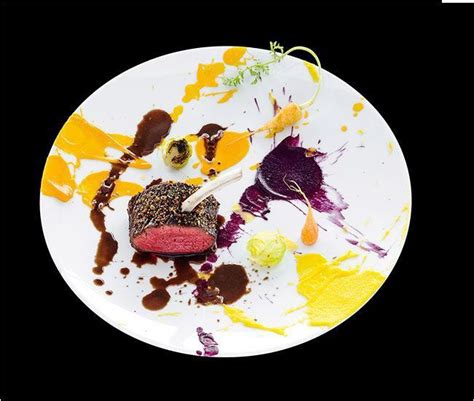
Even after perfect cooking, improper handling can diminish vibrancy. Serve colorful dishes immediately, or if storing, cool them quickly and store in airtight containers to minimize oxidation. When plating, consider complementary colors and use fresh herbs or a final drizzle of vibrant oil to add an extra pop of color and freshness.
Conclusion
Ensuring your ingredients retain their vibrant colors through cooking is a blend of understanding culinary science and applying precise techniques. By mastering blanching, utilizing pH knowledge, employing quick cooking methods, and paying attention to specific ingredient needs, you can transform your dishes from merely tasty to visually spectacular. These efforts not only enhance the aesthetic appeal of your food for photography and presentation but also often indicate better retention of nutrients and fresher flavors. Start experimenting with these tips to make your next meal a true feast for the senses.