How to ensure vibrant colors & perfect textures in my plated recipes?

The Art of Visual and Tactile Appeal in Culinary Creations
Achieving culinary excellence goes beyond just taste; it extends to the visual appeal and textural integrity of your plated dishes. Vibrant colors and perfect textures elevate a meal from merely delicious to an unforgettable experience. This guide will help you master the techniques to ensure your recipes not only taste incredible but also look and feel exquisite.
Cultivating Dazzling Colors on Your Plate
The first impression of any dish is its color. Bright, fresh hues signal vitality and flavor. To ensure your ingredients retain their natural vibrancy, consider these techniques:
- Start with Fresh, High-Quality Produce: The foundation of vibrant color is the quality of your ingredients. Opt for seasonal fruits and vegetables that are ripe and free from blemishes. Freshness directly translates to richer pigments.
- Master Blanching: For green vegetables like broccoli, asparagus, or green beans, blanching is your best friend. A quick dip in boiling, salted water followed by an immediate transfer to an ice bath stops the cooking process, locking in bright green color and a crisp-tender texture.
- Mindful Cooking Times: Overcooking dulls colors. Whether sautéing, roasting, or steaming, cook vegetables just until tender-crisp. Avoid prolonged exposure to heat, which can turn vibrant greens into muted olives or bright reds into brownish tones.
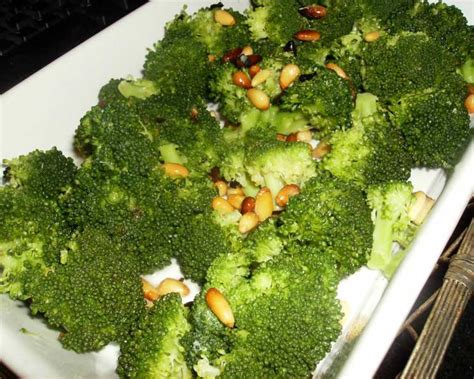
Acidic elements can also play a role. A squeeze of lemon juice or a splash of vinegar added at the end of cooking can brighten flavors and intensify colors, especially in fruits and some vegetables. Think of how a little lemon juice prevents apples from browning.
Finally, don’t underestimate the power of garnishes. Fresh herbs, edible flowers, a sprinkle of paprika, or a drizzle of brightly colored sauce can add the perfect pop of color right before serving.
Crafting the Perfect Textural Harmony
Texture provides interest and depth to a dish, offering a dynamic eating experience. A dish with varying textures is far more engaging than one that is uniformly soft or crunchy. Here’s how to create textural masterpieces:
- Embrace Contrast: The most exciting dishes feature a play of textures. Pair something creamy (like a purée) with something crunchy (toasted nuts, croutons, crisp vegetables). Combine a tender protein with a crispy skin or a firm vegetable.
- Precision in Cooking Methods: Different cooking methods yield distinct textures. Roasting vegetables at high heat caramelizes their natural sugars, creating a slightly crisp exterior and tender interior. Braising meats slowly ensures melt-in-your-mouth tenderness. Searing fish or meat creates a flavorful crust while keeping the inside moist.
- Proper Hydration and Moisture Control: Avoid soggy elements by ensuring vegetables are properly drained or roasted to remove excess moisture. Conversely, prevent dryness by basting, brining, or using moist cooking methods.
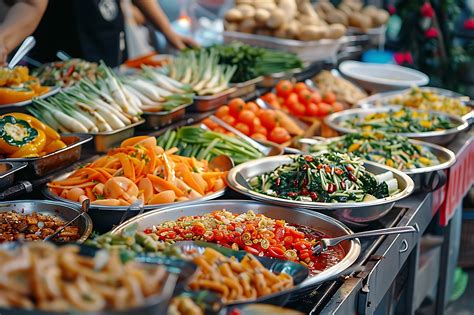
Consider the layering of ingredients. A salad, for example, can have crisp greens, chewy dried fruit, crunchy nuts, and creamy cheese, all contributing to a satisfying mouthfeel. For sauces, aim for smoothness and consistency, ensuring they complement rather than overpower the main components.
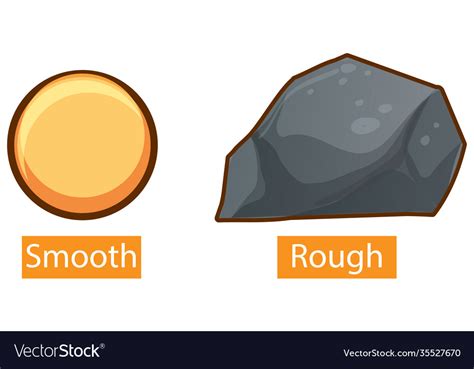
Incorporating ingredients that offer natural textural variety, such as toasted seeds, crispy fried shallots, or delicate microgreens, can elevate your dish significantly.
Plating for Maximum Impact
Once you’ve ensured vibrant colors and perfect textures, thoughtful plating brings it all together. Think of your plate as a canvas:
- Symmetry and Asymmetry: Experiment with both structured and free-form arrangements. A central focal point often works well, or you can create a more dynamic, off-center composition.
- Height and Dimension: Stack ingredients to add height, but don’t overdo it. A little elevation creates visual interest.
- Cleanliness: Always wipe the rim of your plate clean before serving. A spotless presentation enhances professionalism.

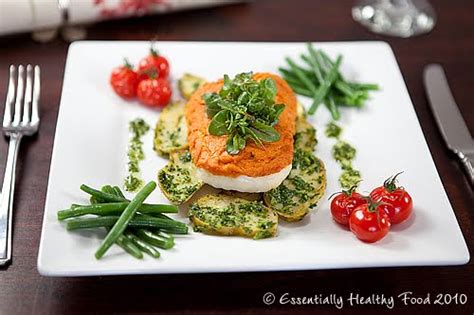
Use contrasting colors and textures strategically during plating. For instance, a bright green herb oil drizzled over a white purée, or a scattering of deep red pomegranate seeds over a light-colored main. This final step is where your culinary artistry shines.
Conclusion: Elevate Your Culinary Artistry
Mastering vibrant colors and perfect textures is a journey of attention to detail, ingredient selection, and precise cooking techniques. By focusing on these elements, you transform simple ingredients into captivating culinary creations that delight both the eyes and the palate. Start experimenting with these tips, and watch your plated recipes reach new heights of visual and textural perfection.