How to ensure vibrant colors & textures in recipes for stunning food visuals?

In the age of visual media, the adage ‘we eat with our eyes first’ has never been truer. A dish’s appeal goes beyond taste; its visual presentation, particularly its colors and textures, plays a crucial role in tantalizing the palate and capturing attention. Mastering the art of maintaining and enhancing these elements in your recipes can transform a simple meal into a culinary masterpiece. Here’s how to ensure your food not only tastes incredible but looks absolutely stunning.
Embrace the Power of Natural Colors
The foundation of vibrant food visuals lies in the natural colors of your ingredients. Prioritize fresh, seasonal produce that inherently offers a spectrum of hues. Think about the deep reds of bell peppers, the bright greens of spinach, the rich purples of blueberries, or the sunny yellows of corn. A diverse palette of ingredients on your plate is the easiest way to create visual interest.
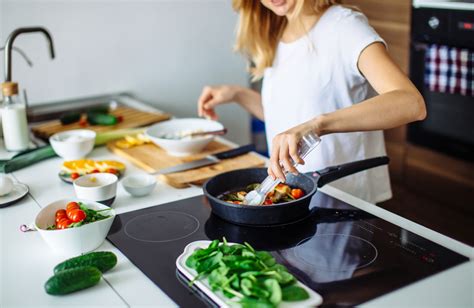
To preserve these natural colors during cooking, be mindful of methods and timing. Overcooking can dull vibrant greens and reds, turning them an unappetizing brown. Blanching vegetables quickly in boiling water followed by an ice bath, for example, sets their color and maintains a crisp texture. A squeeze of lemon juice can also brighten colors and prevent oxidization in certain fruits and vegetables.
Crafting Intriguing Textures
Texture is as vital as color in creating an engaging food visual. A dish that offers a variety of textures – crunchy, creamy, smooth, crisp, chewy – is far more interesting than one that is uniformly soft or hard. Think about contrast: pairing a creamy soup with crunchy croutons, or a delicate fish with a crispy skin.
Achieving diverse textures involves intentional cooking techniques. Roasting can create a beautiful caramelization and slight char, while sautéing can bring out a tender-crisp bite. Frying adds a satisfying crunch, and poaching or steaming maintains a delicate, tender quality. Don’t be afraid to combine methods within a single dish to build layers of textual interest.
Strategic Garnish and Plating
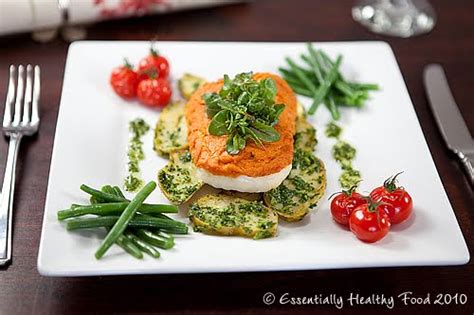
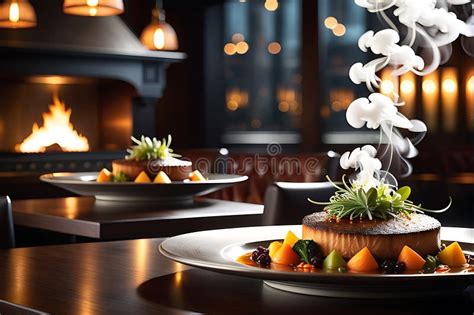
Once your ingredients are cooked to perfection, thoughtful garnishing and plating bring the visual elements together. Garnishes aren’t just for show; they can add a final pop of color, a contrasting texture, or a complementary flavor. Fresh herbs like parsley, cilantro, or mint provide vibrant green accents. Toasted nuts or seeds offer crunch and earthy tones. A drizzle of a brightly colored sauce or a sprinkle of paprika can add depth and flair.
Plating is your canvas. Consider the negative space on the plate, the height of your food, and how components interact. Arrange elements deliberately, using odd numbers for aesthetic balance and ensuring each component is visible and contributes to the overall appeal. Don’t overcrowd the plate; less is often more when it comes to elegant food presentation.
Lighting and Photography Basics
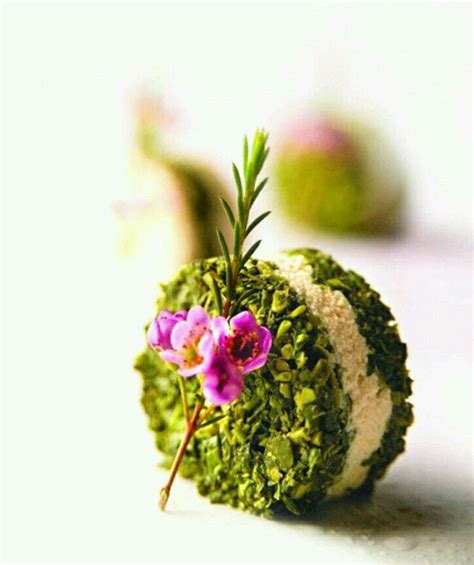
While this article focuses on recipe development, it’s worth a brief mention of how lighting impacts the final visual. Even the most stunning dish can fall flat under poor lighting. Natural, diffused light is almost always best for food photography. Position your dish near a window, but avoid direct sunlight which can create harsh shadows and blown-out highlights. Good lighting enhances colors and highlights textures, making your culinary creations truly shine.

Conclusion
Ensuring vibrant colors and appealing textures in your recipes is a deliberate process, from ingredient selection to cooking techniques and final presentation. By paying attention to these details, you not only elevate the aesthetic appeal of your dishes but also enhance the overall dining experience. So next time you’re in the kitchen, remember that every ingredient, every cooking step, and every plating decision is an opportunity to create a stunning food visual that truly wows.